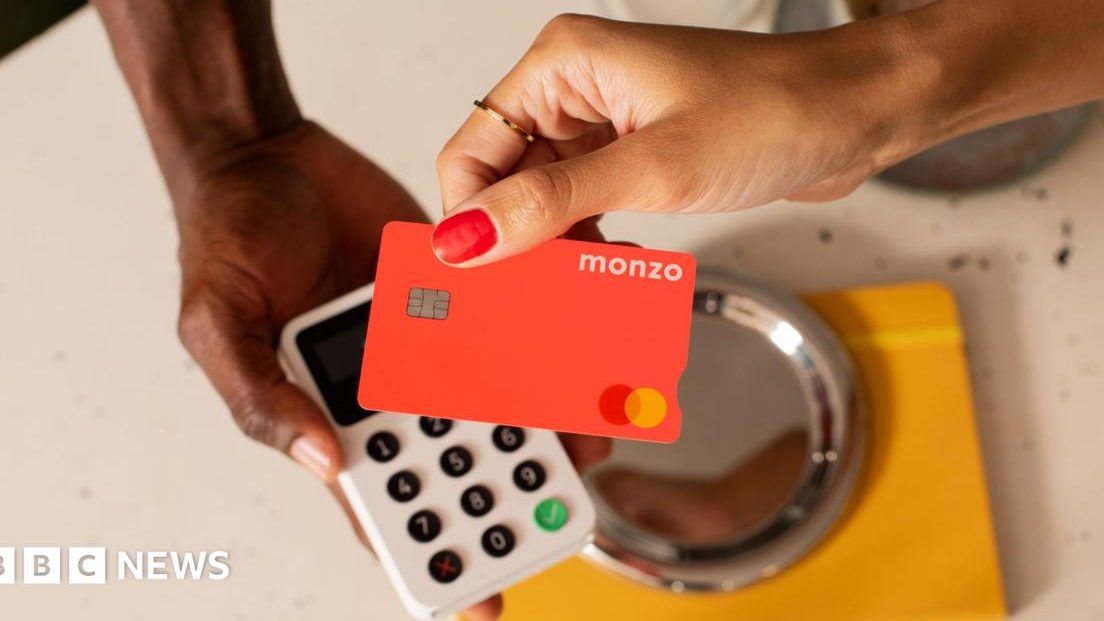
Monzo, the British mobile-first bank that now serves more than 16 million customers worldwide, scrambled to contain the damage on August 20, 2026, after a technical failure left a large number of its users unable to make card payments or send and receive bank transfers. The bank eventually confirmed the problem was fully resolved, but not before a bruising few hours that exposed some uncomfortable truths about what happens when the infrastructure underpinning a cashless lifestyle goes silent.
What Actually Went Wrong
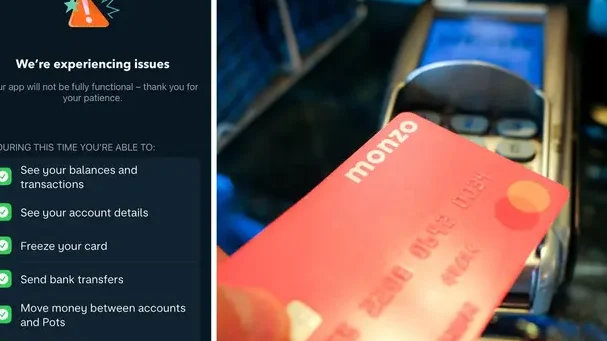
The trouble began when Monzo acknowledged on X that it had “identified some issues” with its core services. Card payments and bank transfers, the two things most people open a banking app to do, were both affected. For customers relying solely on their Monzo card for daily spending, the timing could not have been worse. No cash backup, no physical branch to walk into, no cheque book gathering dust in a drawer. Just a frozen screen and a mounting sense of helplessness.
Monzo moved quickly to activate what it calls Monzo Stand-in, a contingency service designed to keep basic banking functions running even when the main system is under stress. The bank assured users that through Stand-in they would still be able to make card payments, withdraw cash at ATMs, freeze their card if needed, and send or receive bank transfers. On paper, it sounded like a reasonable safety net.
When the Backup Plan Also Fails
Here is where things got genuinely awkward. Despite Monzo’s reassurances, a wave of customers took to the replies on the bank’s own X post to report that Stand-in was not doing what Monzo said it would do. “I can’t use my card for anything at the moment,” one frustrated user posted. Another was more pointed: “Your ‘backup’ bank does not have the functionality you state it does. I can’t make bank transfers right now.”
That gap between what a company promises its contingency system will deliver and what customers actually experience in the heat of a crisis is precisely the kind of thing that erodes trust. It is one thing for a system to fail. Systems fail. It is another for the failsafe to also stumble, leaving customers in a position where they cannot access their money and cannot rely on the stated alternative either. The BBC reported that while some users found Stand-in to be working, others experienced the same dead ends regardless of the fallback service.
Monzo’s Response and the Road Back to Normal
A Monzo spokesperson eventually confirmed that all services were “back up and running” and offered an apology: “We’re sorry for any inconvenience and thank customers for their patience.” It is a standard corporate line, delivered cleanly, but the real question is whether patience is something customers of a digital-only bank signed up to need in the first place.
The resolution brought relief, but the experience left a mark. For a bank that has staked its entire reputation on being more agile, more responsive, and more modern than the legacy institutions it set out to disrupt, a payment outage is not just a technical hiccup. It is a brand event.
The Bigger Picture for Digital-Only Banking
Monzo was founded in 2015 with an explicit mission to reimagine banking from the ground up. No branches, no queues, no paper. Just a slick app, a coral card that became something of a cultural signifier among younger, tech-savvy consumers, and a promise that banking could feel less like a chore. The model worked spectacularly well. More than 16 million personal and business customers worldwide is not a niche product. That is a genuine financial institution with real-world consequences when things go sideways.
The growth, however, also raises the stakes for every outage. A decade ago, a stumble like this might have been a footnote. Today, with millions of people using Monzo as their primary or sole bank account, a few hours of frozen payments is the kind of thing that can determine whether someone misses a bill payment, cannot pay for lunch, or gets stranded at a petrol station. The stakes have grown in direct proportion to the customer base.
Resilience as a Feature, Not an Afterthought
Legacy banks, for all their clunkiness and overlong phone queues, built their reputations over decades of regulatory pressure to maintain robust redundancy systems. The newer digital players are catching up, but as Monzo’s Stand-in experience today illustrated, a backup system that works for some customers but not others is a backup system that needs another look.
This is not unique to Monzo. Across the fintech landscape, outages at challenger banks have become more frequent as customer bases scale up and the complexity of managing millions of concurrent transactions in real time increases. Regulators in the UK have been paying close attention, with the Financial Conduct Authority and the Bank of England both scrutinising operational resilience frameworks at digital firms.
What Customers Can Do
For now, services are restored and life goes on. But today’s outage is a practical reminder that having a single point of financial failure, one app, one card, one bank, carries real risk. A small number of customers who maintain a secondary account with a different provider would have sailed through this morning without noticing a thing. Diversifying banking arrangements is not paranoia. It is sensible personal finance in an era when even the most promising technology companies have bad days.
Monzo has built something genuinely impressive. The app is clean, the features are thoughtful, and the customer base is loyal. But loyalty gets tested on the hard days, and today was one of them.
So the question worth sitting with is this: as we hand more and more control of our financial lives to apps on our phones, are we comfortable with the idea that a single technical failure can leave us unable to buy a coffee, fill a tank, or pay a friend back, even when a backup system is supposedly in place?