









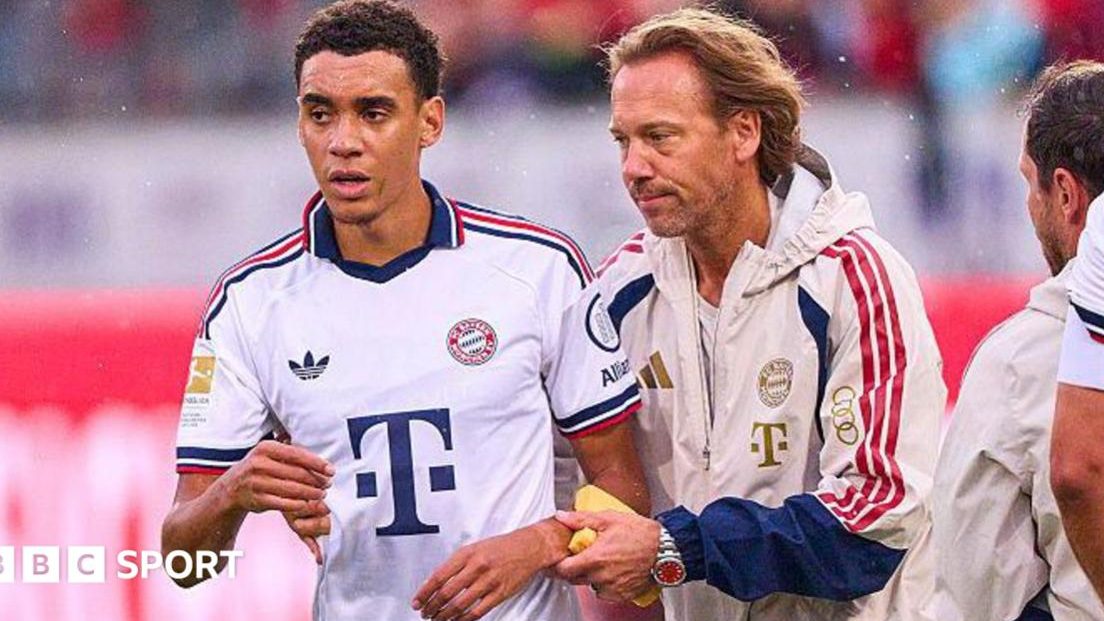
Bayern Munich midfielder Jamal Musiala has disclosed that he is receiving treatment for a neurological dysfunction, following two alarming on-pitch collapses within just four days of each other. The news has sent shockwaves through the football world, raising urgent questions about the 23-year-old’s health and his ability to continue playing at the highest level in the near term.
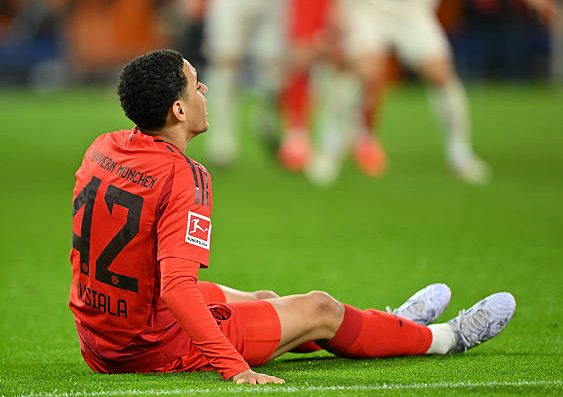
What We Know About the Collapses
Two incidents. Same player. The same unsettling sight for teammates, coaching staff, and fans watching from the stands and on television. Musiala went down during a match, and then, just four days later, it happened again. That kind of repetition strips away any comfort a club might usually take in dismissing such an episode as a one-off or a coincidence. According to BBC Sport’s coverage of the story, Musiala himself confirmed that a neurological dysfunction is at the root of what has been happening to him.
The word “neurological” carries weight. It is not a sprained ankle, not a hamstring pull, not even a concussion sustained from a heavy challenge. A neurological dysfunction points to something happening within the nervous system, the complex network that governs how the brain communicates with the rest of the body. That distinction matters enormously, both medically and in terms of how long a recovery could take.
A Young Star Facing an Unexpected Battle
Musiala’s rise has been one of the more breathtaking stories in European football over the past several years. He glides past defenders with a fluidity that seems almost effortless, reads the game with a sharpness that belies his age, and has long been considered one of Bayern Munich’s most indispensable assets. The idea that something internal, something invisible to the naked eye, could now threaten that trajectory is difficult to process.
What makes this situation particularly sobering is the fact that Musiala was conscious enough of his own condition to speak about it publicly. He did not let the club manage the story through a carefully worded press release while staying silent himself. He put his name to the diagnosis, which takes a certain kind of courage when you are an elite athlete and vulnerability is not exactly the norm in dressing room culture.
Why Neurological Issues in Athletes Demand Serious Attention
When any athlete collapses during competition, the immediate concern is always cardiac. Hearts stop. That is the nightmare scenario for medical teams stationed pitchside. But neurological causes present their own set of serious challenges. Seizures, fainting episodes linked to brain activity, and other forms of neurological dysfunction can be difficult to diagnose quickly and even more difficult to treat with certainty. They do not always follow a predictable pattern, which is part of what makes them so alarming in a high-performance sporting environment.
Bayern Munich will almost certainly have assembled a team of specialists by now. The club operates at a level where medical resources are not a limiting factor, and the welfare of a player of Musiala’s calibre will be treated as the absolute priority. Still, no medical team can simply accelerate the process of identifying exactly what is triggering these episodes or guarantee a clean bill of health on a fixed timeline.
The Football World Watches and Waits
Reactions across the sport have been swift and sincere. Fellow professionals, pundits, and supporters from rival clubs alike have taken a moment to step back from the usual noise of competitive football and express genuine concern for Musiala as a person, not just as a player. That shift in tone is telling. It reflects a wider awareness within the game that athlete health, particularly when it involves the brain and nervous system, is not something to be minimised or rushed past.
For Bayern Munich, the footballing implications are real. Musiala is not merely a squad player who can be rotated in and out without disruption. He is central to how the team functions in the final third, how they press, and how they create. His absence at any point in the season creates a tactical problem. But those conversations feel secondary right now, and rightly so.
Musiala’s Own Words Set the Tone
By coming forward and naming his condition himself, Musiala has done something important. He has taken control of his own narrative at a moment when it would have been entirely understandable to say nothing and let the club handle communications. That kind of directness tends to earn respect, and it also helps those who may be experiencing similar, unexplained episodes feel slightly less alone in seeking answers.
The road ahead for Musiala is uncertain. Treatment for neurological conditions is rarely a straight line from diagnosis to resolution. There will be monitoring, testing, and likely a period away from competition while his medical team works to understand the full picture. Whether that absence stretches into weeks or months is something nobody outside his immediate circle of doctors can say with any confidence at this point.
The Bigger Picture for Football’s Duty of Care
This story also forces a broader conversation about how football manages the health of its players in an era of increasingly congested fixture schedules. The demands placed on top-flight players, particularly those who also carry national team responsibilities, are relentless. Whether overexertion played any role in Musiala’s situation is something only his doctors can assess, but the timing of these events will not go unnoticed by those who have long argued that the sport’s calendar needs serious reform.
For now, all eyes are on Musiala’s recovery. Bayern Munich, Germany’s national setup, and the wider football community are united in hoping that the young midfielder gets the answers and the treatment he needs. His talent is extraordinary. But his health is what matters most right now.
As football continues to grapple with how best to protect its players both physically and neurologically, one question lingers: should elite clubs be doing more to catch signs of neurological vulnerabilities in players before they manifest as collapses on the pitch, and what would a truly proactive approach to athlete brain health actually look like?