







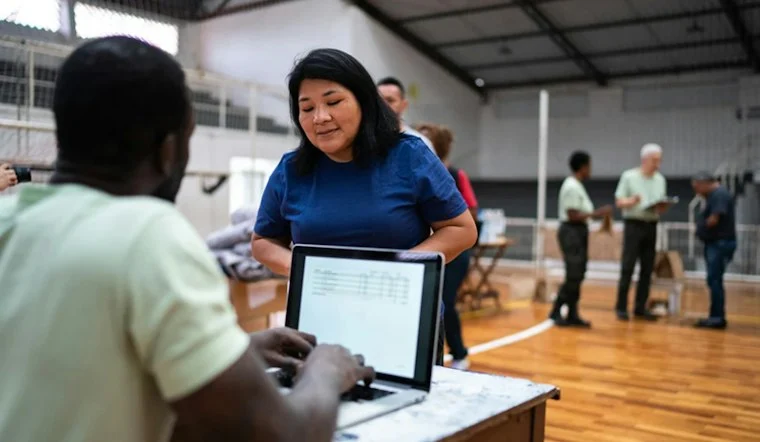



Every term, thousands of schools across the country snap photos of their pupils, upload them to websites, newsletters, and social media pages, and think nothing more of it. It feels wholesome. It feels community-spirited. But in 2026, that routine act of sharing is attracting a level of scrutiny that educators, parents, and child safety advocates say is long overdue.
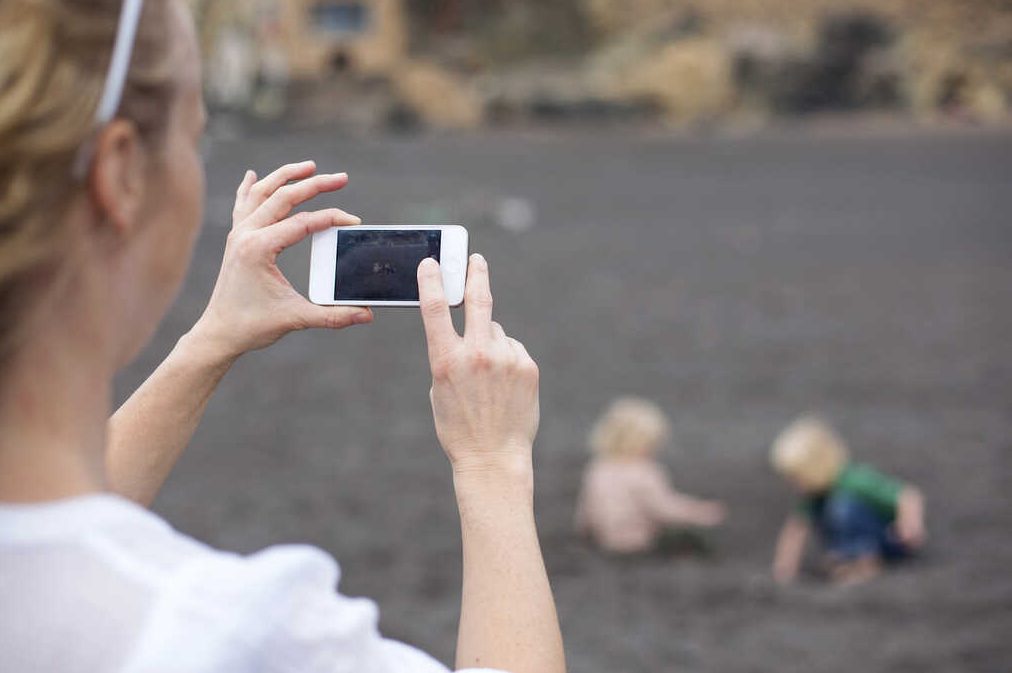
A Habit That Predates the Risks We Now Understand
Schools began posting photos online long before the internet matured into the complex, sometimes dangerous ecosystem it is today. Back when a school website was little more than a digital noticeboard, uploading a class photo felt harmless. The problem is that the technology surrounding those images has changed dramatically, while the habits of many institutions have not kept pace.
Facial recognition software, AI-powered image scraping tools, and data harvesting techniques have all become far more accessible and far more sophisticated. A photo that seemed innocuous when it was posted five years ago can now be processed, tagged, and potentially misused in ways that would have seemed like science fiction when it was first uploaded. As BBC discussions on tech and daily life have begun to surface, the question is no longer hypothetical: could school photos be misused?
What “Misuse” Actually Looks Like
The word misuse covers a wide and troubling spectrum. At one end, there is the relatively mundane concern of commercial data harvesting, where images of children end up in datasets used to train AI models without any consent from their families. At the other end sits something far darker: the possibility that images of identifiable children, often tagged with their school name and sometimes even their full name, could be accessed by people who wish to exploit that information.
Child protection experts have long warned that predators are highly capable of building detailed profiles of potential targets using publicly available information. A school photo posted with a child’s first name, paired with a geotagged location or a mention of the school’s name in the caption, creates a surprisingly complete picture. Add a few more posts across a school year and you have a documented record of a child’s appearance, age, school location, and daily routine.
The Consent Problem Nobody Talks About
There is also a quieter, more philosophical issue sitting underneath all of this: children cannot meaningfully consent to having their digital footprint created for them. A photo uploaded when a child is six years old will exist online potentially for decades. That child, now an adult, never agreed to it. They never had the chance to decide whether they wanted their face associated with a particular school, a particular year, or a particular moment in their life.
Data protection legislation in many countries does require schools to seek parental consent before publishing images. In practice, however, that consent is often buried in a form signed at the beginning of the school year, lumped in with permission slips for swimming lessons and school trips. Few parents read it carefully. Fewer still understand the full implications of ticking that box.
What Schools Should Be Doing Differently
The answer is not necessarily to ban all photography from schools. Community, celebration, and shared memory matter. But there is a meaningful difference between taking photos for internal records and broadcasting those images to the open internet.
Best practice, according to safeguarding guidance that has been circulating among education professionals, includes keeping identifiable images of children behind password-protected portals accessible only to parents and staff. It means avoiding the use of full names alongside photos in any publicly visible space. It means revisiting and refreshing consent processes annually, and making them genuinely transparent rather than burying them in dense legal language.
Schools should also consider the metadata attached to digital images. Many cameras and smartphones embed location data directly into photo files. Even if a school strips out the obvious identifying details from a caption, the image file itself may quietly reveal exactly where it was taken.
The Role Parents Must Play
Parents are not passive bystanders in this conversation. Many are just as guilty of oversharing their children online, posting photos to personal social media accounts without considering who can see them or how that content might be used. The conversation about school photo policies is, in many ways, a mirror held up to wider parental behaviour online.
It is worth asking: does every milestone need a public audience? Is there a version of celebrating your child’s achievements that does not involve broadcasting their face, name, and location to anyone with a Wi-Fi connection? These are uncomfortable questions, but they are the right ones to be sitting with right now.
The Bigger Picture on Children and Digital Identity
This debate sits within a much larger reckoning with how children exist online before they are old enough to have any say in the matter. Researchers studying what has been termed “sharenting” have found that by the time many children reach the age of 13, they already have thousands of photos of themselves publicly accessible online, uploaded by parents, schools, and family members across their entire childhood.
That digital trail has real-world consequences. Beyond the immediate safety concerns, there are emerging questions about how those images might affect young people as they grow up. Employers, universities, and even future partners will eventually be able to search for and find photographs spanning a person’s entire life, from infancy onward. That is an unprecedented situation with no historical parallel, and society is only beginning to wrestle with its implications.
The technology moved faster than the ethics, as it so often does. Now the institutions responsible for children’s wellbeing, schools, governments, and parents alike, have to catch up. The photos are already out there. The question is what happens to the ones taken tomorrow.
So here is the question worth putting to every parent, teacher, and school administrator reading this: when did you last actually read the consent form you signed, and do you genuinely know where those photos of your child end up?