






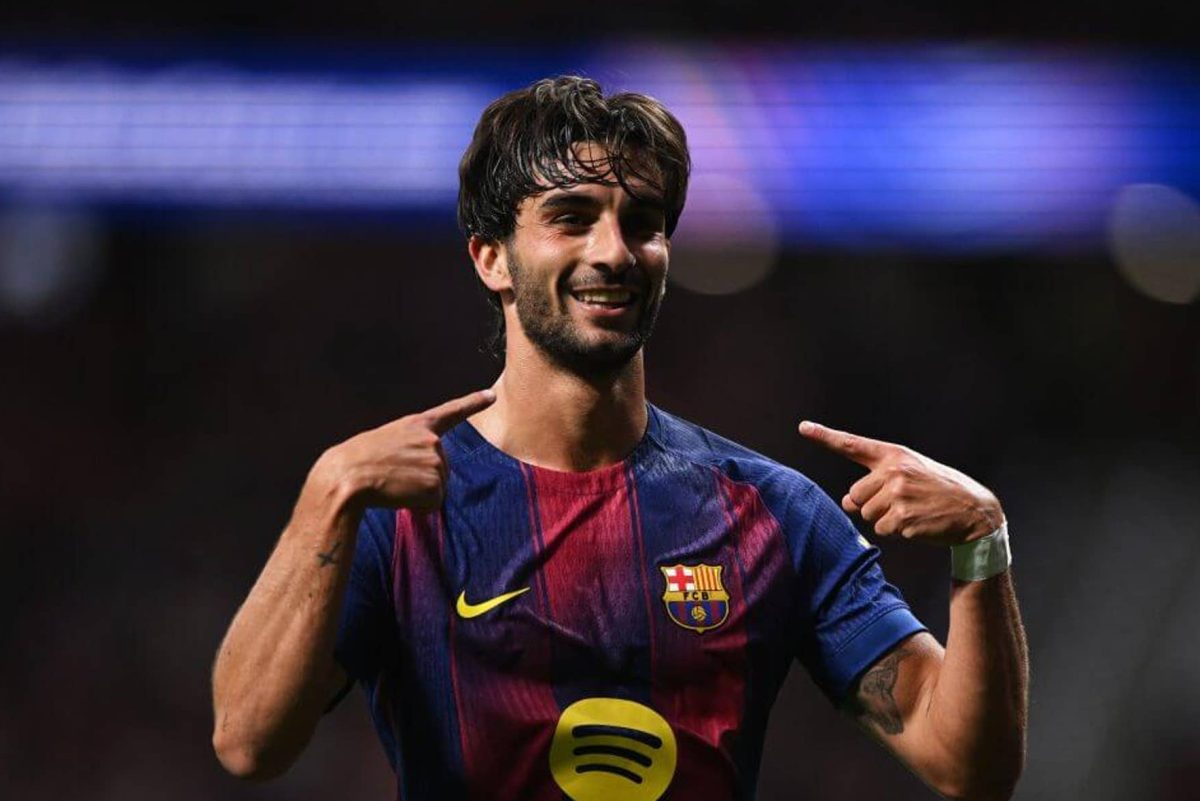
Barely four weeks have passed since Ferran Torres sent an entire nation into delirium with a crucial strike in the biggest match of his life, and already the 26-year-old has a new club badge on his chest. Paris Saint-Germain confirmed the signing of the Spanish forward from Barcelona on August 15, 2026, with the French giants paying a reported fee of around 50 million euros for a player whose stock has never been higher.
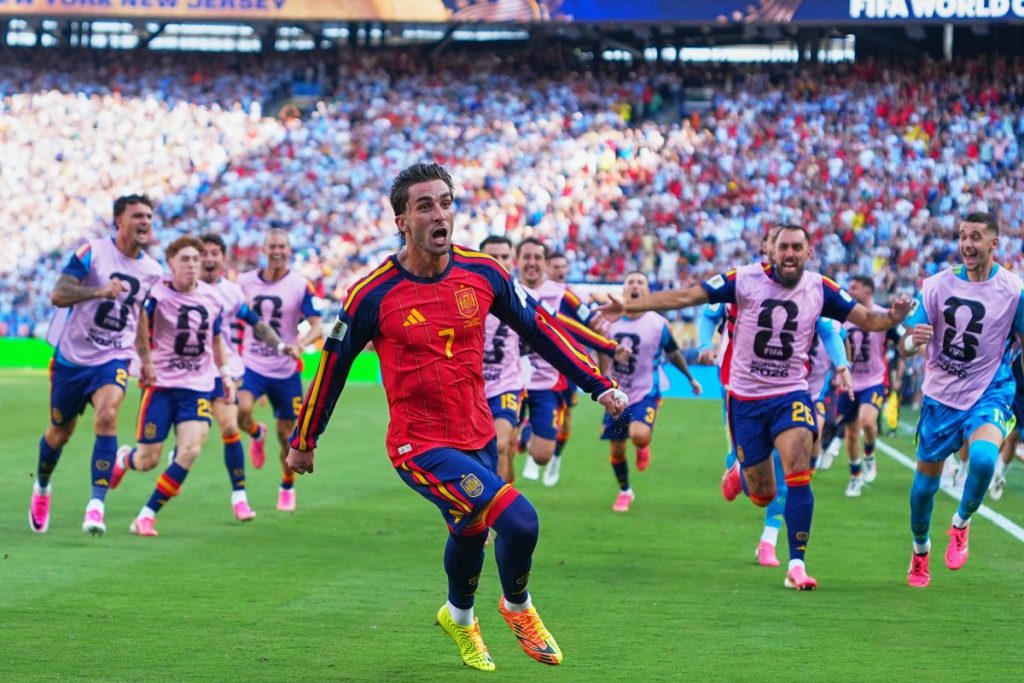
The Goal That Changed Everything
Football has a way of creating moments that define careers in ninety, or in this case, one hundred-and-something minutes. Torres scored the extra-time winner as Spain claimed their second men’s World Cup title, beating Argentina in a final that had the world gripping its seat. That single goal did more than win a trophy. It validated a forward who had spent several seasons carrying the label of unfulfilled potential, a player critics felt too comfortable on the periphery of big moments.
He walked into that final with serious club form backing him up. Torres registered 21 goals and three assists across 49 appearances in all competitions for Barcelona during the recently concluded season, a return that helped the Catalan giants clinch the La Liga title. Goals in a World Cup final are the icing, but a season like that is the entire cake. PSG clearly took note of both.
Why PSG Makes Sense on Every Level
Paris Saint-Germain are not a club that simply buys players. They build rosters. Under Luis Enrique, who managed Torres during the early stages of the Spaniard’s international career, PSG have transformed into a cohesive, system-driven outfit that has won the Champions League in each of the past two seasons. That is not luck. That is architecture.
The connection between Torres and Enrique runs deeper than most transfer links. Enrique handed Torres his debut for the Spanish national team, so the player already understands the manager’s demands, his tempo, his expectations. Settling into a new dressing room is always the hardest part of any transfer. Torres skips that awkward first chapter entirely.
According to BBC Sport, Torres has signed a deal keeping him at the Parc des Princes until 2031, giving PSG five years to maximise their investment in a player entering what should be the peak years of his career.
A Summer of Calculated Spending
Torres is not arriving alone into the PSG attacking unit. The club already brought in Maghnes Akliouche from Monaco earlier this summer, making him their first prominent forward signing of the window. The addition of Torres gives Enrique genuine depth and variety in the final third, with options to rotate, press from multiple angles, and keep key players fresh across a punishing calendar of Ligue 1, Champions League, and cup football.
PSG also wasted no time reminding Europe who they are, beating Aston Villa 2-1 on Wednesday to lift the UEFA Super Cup. Torres could well find himself collecting silverware within weeks of officially joining up with his new teammates.
A Journey Through Elite Football
Torres has taken a route that few players navigate cleanly. He spent two years at Manchester City before joining Barcelona in 2022, meaning PSG represents his third major European club before his twenty-seventh birthday. Each move has come with pressure, expectation, and scrutiny. Each time, he has responded.
His record for Spain underlines the point bluntly. Twenty-five goals in 65 international appearances is a ratio that demands respect. He is not padding those numbers in friendlies. He scored the goal that won a World Cup. That puts him in rare company.
What This Means for Barcelona
From Barcelona’s perspective, banking 50 million euros for a player in the final year of his natural peak gives the club financial flexibility heading into a new season. It stings to lose a World Cup winner, certainly, but keeping a player whose market value has just reached its ceiling is a trickier call than it might first appear. Barcelona have their own squad economics to navigate, and this sale likely funds moves elsewhere.
The Bigger Picture
What Torres represents at PSG is not just goals, though those matter enormously. He represents proof that Luis Enrique’s project is serious enough to attract players on the back of historic moments rather than simply historic wages. The best players want to win trophies. PSG under Enrique keep winning them. Torres, now officially part of that setup, has every reason to believe the best chapters of his career are still being written.
Spain won the World Cup. PSG won the Champions League. Now those two worlds have collided in the most logical transfer of the summer. The question worth sitting with is this: does Torres, with a World Cup medal, two Champions League winners on his new teammates’ CVs, and a manager who already believes in him, have everything he needs to finally become the truly elite forward his talent has always promised? Leave your take in the comments below.