






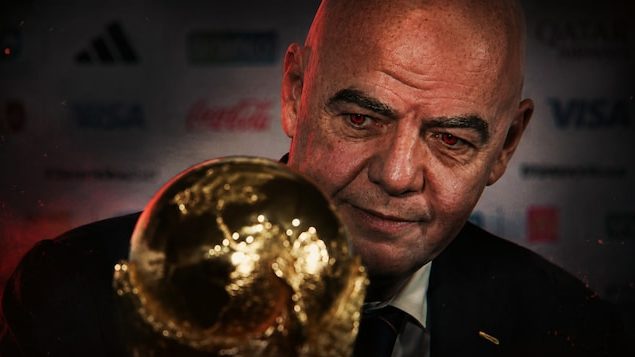
FIFA has quietly shelved one of its most ambitious commercial experiments after a backlash fierce enough to force a full institutional retreat. The governing body of world football had been exploring a plan to sell a minority stake in the World Cup to a group of tech investors, a proposal that drew fury from clubs, fan groups, and prominent voices calling for FIFA president Gianni Infantino to resign. The U-turn was swift, but the questions it leaves behind are anything but simple.
The Investment Thesis: Football as the Last Human Frontier
To understand why a technology-focused investment group was circling the World Cup, you have to understand the broader anxiety gripping Silicon Valley right now. Artificial intelligence is rewriting the economics of entertainment at a pace that would have seemed absurd just five years ago. Music, film, advertising, even written content, each sector is watching AI chip away at the human labour that once made it irreplaceable. Investors are asking a question that sounds almost philosophical: where does human experience still hold genuine, irreducible value?
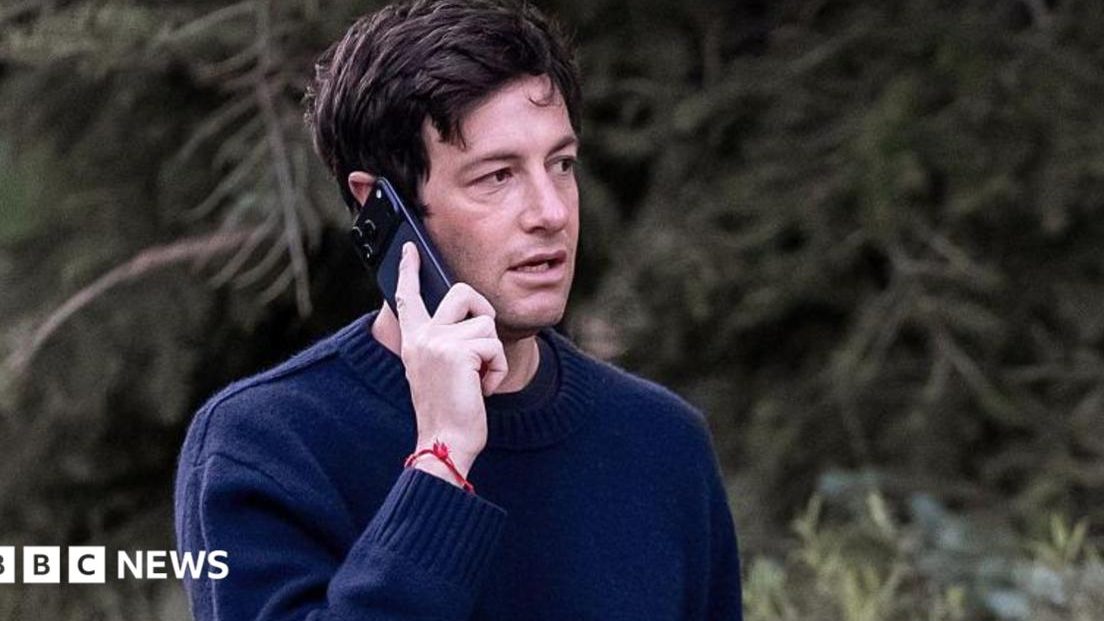
The answer, according to the team at Thrive Eternal, is sport. Specifically, football. The firm is a spin-off of Thrive Capital, the New York City-based venture capital company led by Joshua Kushner. Kushner, the brother of Jared Kushner, who serves as an adviser to US President Donald Trump, built Thrive’s reputation by backing technology companies working in artificial intelligence, including a significant financial stake in OpenAI. So the move into sport is not a pivot away from AI thinking, it is a direct product of it.
In April this year, Thrive created Thrive Eternal as a dedicated investment arm with a specific mandate: find assets with qualities that technology simply cannot reproduce. The logic is clean. If AI will eventually generate films indistinguishable from Hollywood productions, and compose music that rivals the world’s best artists, then the value of those industries faces a structural ceiling. Live sport, by contrast, operates on entirely different terms.
Why Football Specifically?
Not all sport sits equally in this framework. Football, the version the rest of the world plays and Americans increasingly call soccer, carries a cultural and identity weight that is genuinely difficult to replicate or displace. The World Cup in particular is not just a sporting event, it is a once-every-four-years collision of national identity, generational memory, and collective ritual that billions of people participate in simultaneously.
Professor Simon Chadwick, who has spent three decades working across the global sports industry with fan groups, clubs, and governing bodies including both FIFA and UEFA, has long argued that football’s emotional architecture is its most valuable economic asset. That tradition, that sense of belonging to something older and larger than yourself, is precisely what Thrive Eternal was trying to get exposure to through FIFA’s proposed Forward Enterprise vehicle, sometimes referred to as the FFE.
The plan was for Thrive Eternal to lead a consortium of investors to take a minority stake in the World Cup under the FFE structure. It positioned the tournament not as a simple media rights play, but as ownership exposure to the single most-watched sporting event on earth, one that carries cultural gravity no algorithm can manufacture. Reporting on the investment proposal and FIFA’s subsequent retreat has highlighted how the proposal reflected a growing strategic conviction that live sport will not merely survive AI disruption, but actually grow in value as other entertainment forms are hollowed out by it.
The Backlash That Stopped the Deal
FIFA’s retreat was not because the financial logic failed. The opposition came from the soul of football itself. Clubs, supporter organizations, and football traditionalists responded with the kind of fury that the sport reserves for moments when it feels its identity is under threat. The idea that outside investors, however sophisticated, could hold a financial claim over the World Cup struck many as a fundamental breach of what the tournament represents.
Calls for Infantino to resign surfaced alongside threats of future boycotts. The pressure was significant enough that FIFA abandoned the plan rather than push through what would have been a genuinely unprecedented ownership arrangement. The irony is layered: the very cultural stubbornness that made football attractive to tech investors as an AI-proof asset is the same force that killed the deal.
The Bigger Question That Remains
FIFA’s U-turn resolves nothing structurally. The underlying investment thesis from Thrive Eternal remains coherent, and the financial pressures on governing bodies running billion-dollar tournaments do not disappear because one deal collapsed. If anything, the episode reveals a tension at the heart of modern football’s economics: the sport’s cultural and emotional value is enormous, but monetising that value in ways that do not alienate the fanbase is extraordinarily difficult.
The AI angle adds another dimension entirely. If the coming decade sees artificial intelligence erode the commercial value of movies, music, and digital media, the gap between live sport and other entertainment will widen. That gap means more capital chasing fewer genuinely irreplaceable assets. Football’s governing bodies and clubs will face this conversation again, possibly soon, and possibly from investors with even deeper pockets and more persuasive proposals.
Thrive Eternal’s interest in the World Cup was not a quirky side project from a firm that should have stayed in its lane. It was a calculated move based on a serious theory about where value survives in an AI-saturated world. Whether football can keep that value locked away from outside ownership structures is a question its administrators, fans, and commercial partners will be wrestling with for years.
Football proved it can push back against a deal it did not want. The harder question is whether it can do so indefinitely, and whether protecting the sport’s soul and sustaining its commercial ambitions can genuinely coexist long-term. What do you think, should sport remain entirely off-limits to outside investors, or is there a version of this arrangement that could work without compromising the game?