







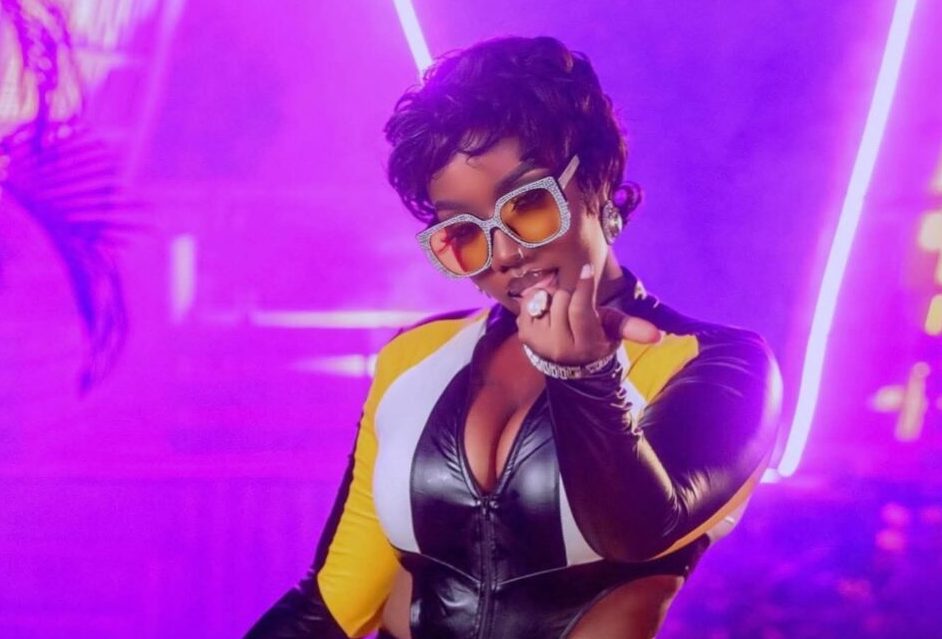
Sometimes the most honest feedback comes from the most unexpected corners. This past weekend, socialite and entrepreneur Prima Kadarshi took to TikTok Live and said out loud what, apparently, a lot of people in Kampala’s entertainment circles have been whispering for a while: Lydia Jazmine, one of Uganda’s most recognisable female voices, is standing in her own way.
The remarks came in the aftermath of Kalifah AgaNaga’s low-turnout concert, a moment Prima used as a launching pad for a broader critique of how Ugandan artists manage, or mismanage, their public image. According to Prima’s comments as reported by Mbu, the core problem is simple: too many musicians are investing in music without investing in the presentation of that music.
A Press Conference That Raised Questions
Prima’s sharpest words were reserved for a recent Lydia Jazmine press conference that she described as poorly put together. For an artist with years of industry experience behind her, a press conference is not just a media obligation. It is a statement. It tells the public, the industry, and potential collaborators exactly who you are, how seriously you take your craft, and whether you are ready to operate at the level you are claiming.
By Prima’s assessment, Lydia’s press conference fell short of that standard. She was candid about the friendship between the two, making it clear that the critique came from a place of genuine frustration rather than rivalry. “Lydia is my friend,” she acknowledged, before making it equally clear that friendship did not change what she had witnessed. The question she posed publicly, asking whether what she had seen truly qualified as a proper press conference, was pointed enough to cut through any diplomatic softening.
The Branding Problem Plaguing Ugandan Music
What makes Prima’s commentary particularly interesting is that she was not singling out Lydia Jazmine as an isolated case. She framed the press conference as symptomatic of a wider failure across the Ugandan music scene, where artists are investing in studio time and performance schedules while neglecting the strategic infrastructure that turns a talented singer into a lasting brand.
Branding is not just a logo or a colour palette. For a musician, it is the sum of every public interaction, every interview, every social media post, every event appearance, and yes, every press conference. It is the story you tell about yourself before your music even starts playing. When that story is inconsistent, sloppy, or simply absent, even a genuinely gifted artist can struggle to convert talent into the kind of cultural authority that defines a music throne.
Prima’s argument is that several Ugandan musicians have not grasped this. They release music, but they do not build narratives. They book venues, but they do not build anticipation. And when the crowds stay away or the press conference underwhelms, they are often the last people to understand why.
Why Lydia Jazmine Has So Much to Lose
The reason Prima’s critique of Lydia specifically stings is precisely because of the singer’s track record. Lydia Jazmine is not a newcomer trying to figure things out. She has been a fixture in Ugandan music long enough to have earned genuine respect and a loyal fanbase. That history is what makes a weak press conference so jarring. The gap between what people know she is capable of and what was presented publicly creates a dissonance that is difficult to ignore.
Longevity in the music industry is rare and valuable. But longevity without evolution, without a deliberate, professional public image to match growing ambitions, can quietly erode the very goodwill an artist spent years building. The competition in Uganda’s music space is not standing still. Younger artists are arriving with sharper branding instincts, better-managed social media presences, and teams that understand how to turn a single press release into a cultural moment.
What Proper Branding Actually Looks Like
A well-executed press conference is not just about the venue or the refreshments. It is about message discipline, visual consistency, media preparation, and timing. It is about walking into a room and making journalists feel like they are witnessing something worth covering. The packaging of an announcement matters as much as the announcement itself, sometimes more.
Strategic planning, the other element Prima cited as lacking among struggling Ugandan artists, goes hand in hand with branding. It means knowing which opportunities to take and which to decline. It means understanding your audience’s growth cycle and feeding it deliberately. It means having a team, or at minimum, a mentor or manager, who can hold a mirror up and say: this is what the outside world is seeing, and here is how we fix it.
The Throne Is Not Given, It Is Managed
Prima’s blunt assessment that Lydia Jazmine “will never get the throne” because of poor presentation is harsh. It is also the kind of tough love that rarely gets said publicly in Uganda’s entertainment circles, where artists are more often celebrated than challenged. Whether Lydia responds, adjusts, or dismisses the critique entirely will say a lot about where she is headed next.
The broader conversation, though, belongs to the entire industry. Uganda has no shortage of musical talent. What it sometimes lacks is the professional scaffolding that turns raw talent into an enduring legacy. Prima Kadarshi, whatever one thinks of her delivery, has put that conversation on the table at a moment when the industry can either take it seriously or scroll past it.
The question worth sitting with is this: in an era where perception is practically currency, can any Ugandan artist afford to treat their public image as an afterthought? Leave your thoughts in the comments below.