









The planet is speaking. The question is whether we have the tools to listen. In the latest episode of BBC Tech Now, two remarkable stories capture the sheer momentum of modern technology, one unfolding deep inside the canopy of the world’s forests, the other on the humming factory floors of Beijing. Together, they paint a picture of a world being measured, mapped, and mechanised with a precision that would have seemed like fiction just a decade ago.
Reading the Forest from the Sky
Forests cover roughly 31 percent of the Earth’s land surface. They absorb carbon, regulate rainfall, shelter biodiversity, and, when they burn or disappear, accelerate the very climate crisis we are scrambling to contain. For all their importance, measuring them in any meaningful detail has historically been an exercise in frustration. Ground surveys are slow, expensive, and limited in scope. Satellite imagery captures the top of the canopy but misses the complexity underneath.
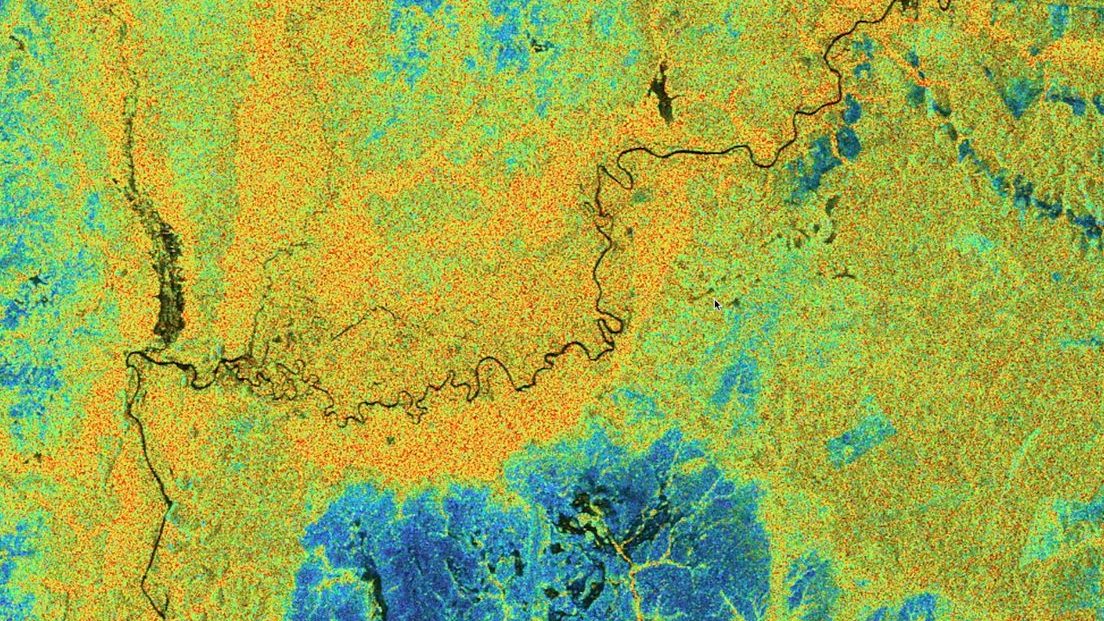
That is changing. Reporter Yasmin Morgan-Griffiths steps into this world to explore how new technologies are now giving scientists an almost forensic view of forest systems. Advances in LiDAR sensing, combined with AI-driven analysis and drone-based data collection, allow researchers to calculate forest density, biomass, and health at a resolution that ground teams could never achieve on foot. The implications are enormous.
Understanding exactly how much carbon a specific stretch of forest is storing matters not just for environmental science but for the carbon credit markets that increasingly fund conservation efforts. If the measurements are imprecise, the economics collapse. Faulty data has already undermined several high-profile carbon offset schemes, with forests credited for carbon storage they were not actually providing. Better technology doesn’t just serve the scientists; it holds the entire system more accountable.
Why Precision Matters More Than Ever
There’s a certain poetry in the idea that some of our most urgent climate solutions depend on knowing a tree’s exact height, the density of its trunk, or the moisture in its leaves from hundreds of kilometres above the Earth. But that is precisely where we are. With deforestation rates still alarmingly high in parts of South America, Central Africa, and Southeast Asia, the ability to detect changes in real time, not months later when a report is compiled, gives conservationists and governments a fighting chance to respond before the damage is irreversible.
Remote sensing tools are also beginning to track illegal logging with far greater reliability. Acoustic sensors can pick up the sound of a chainsaw in a protected zone. Satellite passes can flag a clearing that appeared overnight. The forest, in this sense, is no longer silent. Technology has given it a voice.
Inside the Machine: Beijing’s Robotics Revolution
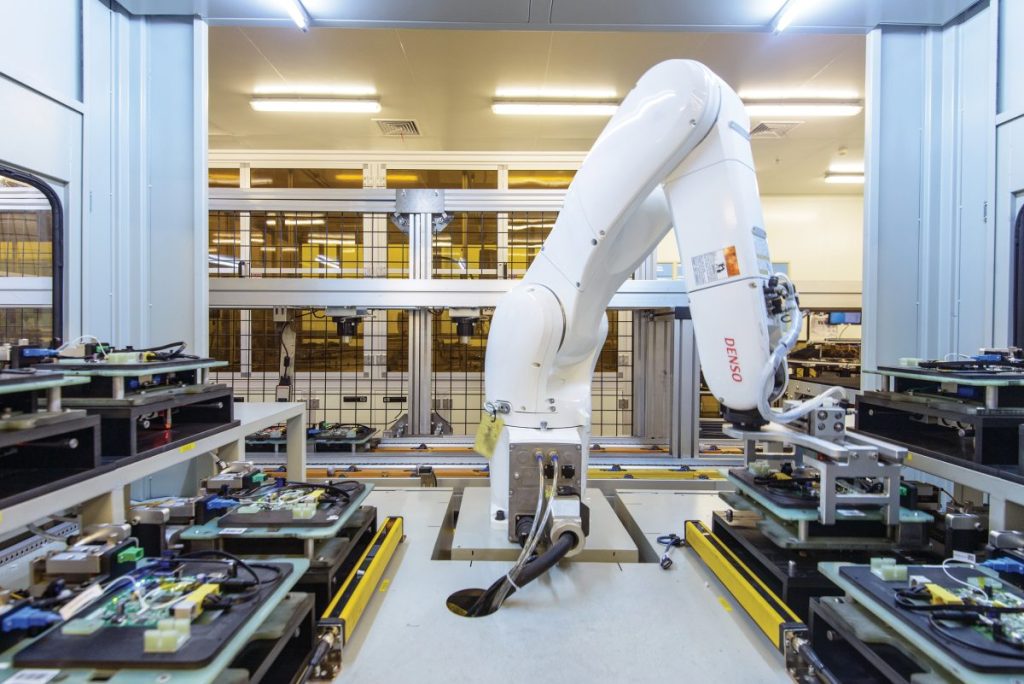
Thousands of kilometres from any forest, in one of Beijing’s sprawling industrial zones, a very different kind of precision is at work. Reporter Suranjana Tewari takes viewers inside a robotics factory where the scale and sophistication of production is genuinely staggering. China has been investing heavily in robotics manufacturing for years, and the results are now visible on factory floors where machines assemble other machines with speed and consistency that human hands simply cannot match.
China’s ambition in this space is not accidental. The country has identified robotics as a strategic pillar of its industrial future. Labour costs have risen, the population is ageing, and the global competition for manufacturing dominance is intensifying. Automation is not just a convenience, it is a calculated national priority. The factory Tewari visits is a window into what that ambition looks like in practice: rows of articulated arms, precision welding rigs, and quality control systems using computer vision to catch defects that a human eye would miss entirely.
The Human Side of a Robotic World
What often gets lost in coverage of automation is the human dimension. Factories like this one do not simply replace workers; they reshape the kind of work that remains. Technicians, engineers, software specialists, and systems managers take the place of assembly line operatives. Whether that transition happens quickly enough, fairly enough, or with enough investment in retraining is one of the defining social questions of this era.
China’s robotics sector is also feeding global supply chains. The robots built in Beijing end up in automotive plants, electronics factories, and logistics warehouses across the world. When you track the origin of the machine that assembled your phone or packed your parcel, the trail often leads back to a facility not entirely unlike the one Tewari steps inside. That global reach makes the story of Chinese robotics relevant well beyond its borders.
Two Stories, One Larger Truth
On the surface, forest measurement and robotics manufacturing seem like entirely separate subjects. But the thread connecting them is surprisingly clear. Both represent humanity’s growing capacity to collect data at scale, process it rapidly, and act on it with a precision that previous generations simply did not have access to. That capacity is accelerating. The tools are becoming cheaper, more powerful, and more widely available.
The question is whether we are using them wisely. Technology can map a forest in extraordinary detail, but political will still decides whether that forest gets protected. Robots can build other robots at astonishing speed, but economic policy still decides who benefits from that productivity. The machine learns fast. The institutions that govern it tend to move a little slower.
What the BBC’s Tech Now series does well is resist the temptation to frame technology as either saviour or villain. Both stories are treated with genuine curiosity, reporters in the field, asking real questions, showing the complexity behind the headline. It’s a refreshing approach at a moment when tech coverage tends to veer between breathless optimism and apocalyptic warning.
As forests shrink and factories grow, as satellites count trees and algorithms count defects, one question seems worth sitting with: are we building these extraordinary tools fast enough to solve the problems we created before the same tools could exist?