






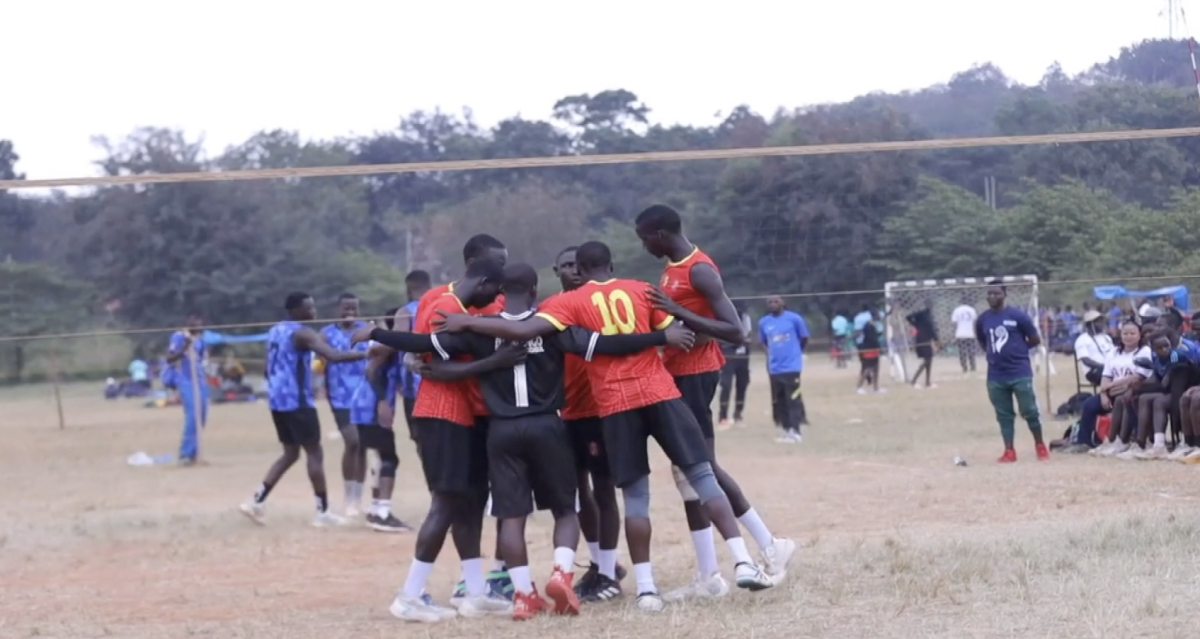
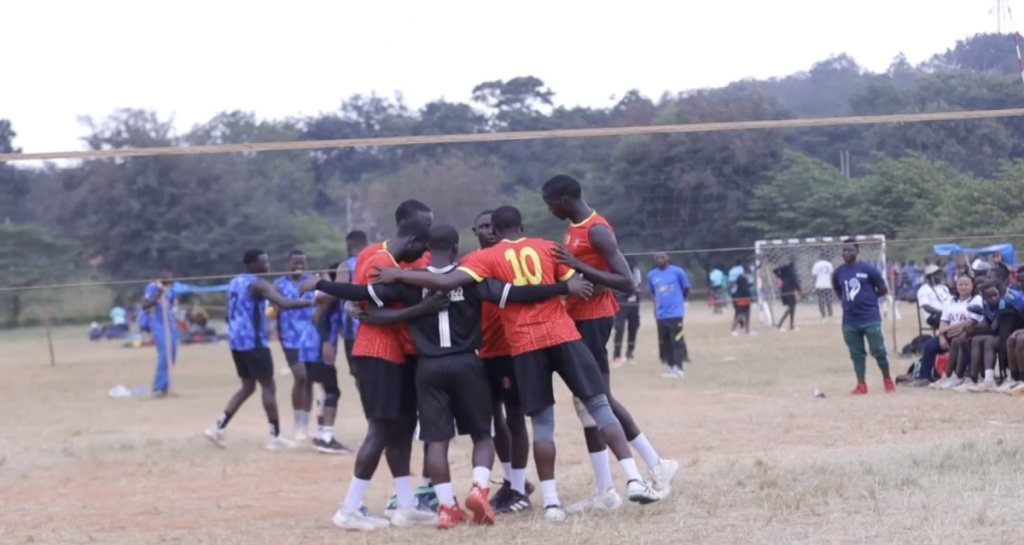
Morogoro, Tanzania, is currently the undisputed capital of East African youth athletics. More than 413 secondary school teams from Uganda, Kenya, Tanzania, Rwanda, and Burundi have gathered in the city for the annual East Africa Secondary School Games, organised by the Federation of East Africa Secondary Schools Sports Associations, better known as FEASSA. The ten-day competition, already generating serious regional buzz, has added a significant financial dimension after the East African Development Bank committed a sponsorship of 90,000 US dollars to the event.
A Region’s Young Talent on Full Display
Numbers rarely lie in sport. When 413 school teams from five countries make the journey to a single city to compete, what you have is not just a tournament. It is a statement. The FEASSA Games have long served as one of the most visible platforms for secondary school athletes across the East African Community bloc, and this edition in Morogoro appears to be the most ambitious yet in terms of participation scale.
Each country in the competition brings its own sporting culture to the table. Kenya’s tradition of distance running excellence, Uganda’s increasingly competitive football and athletics programmes, Tanzania’s home advantage, Rwanda’s growing reputation in cycling and court sports, and Burundi’s fierce competitive spirit across multiple disciplines. When all of that collides in a single host city over ten days, the result is a sporting spectacle that is genuinely hard to replicate outside a senior continental championship.
For the student athletes themselves, the stakes feel enormous. These are teenagers competing on an international stage, representing their schools and their countries simultaneously. Scouts, coaches, and national federation officials tend to pay close attention to FEASSA Games results, and more than a few professional careers across the region can trace their origins back to a breakout performance at this very competition.
The EADB Partnership: What $90,000 Actually Means
The headline figure attached to this year’s games is the 90,000 US dollar sponsorship from the East African Development Bank’s partnership with FEASSA. For a school sports federation operating across five countries with varying levels of government support, that kind of injection matters far beyond its face value.
The East African Development Bank, which operates as a regional financial institution supporting economic integration across the East African Community, is not the typical sponsor you associate with a secondary school athletics meet. Its involvement signals something worth paying attention to. Regional development banks do not write cheques for youth sport events out of charity. They do it because they see a strategic connection between organised youth programmes, human capital development, and long-term economic productivity.
In practical terms, 90,000 dollars can cover a substantial portion of logistics, accommodation, officiating costs, and equipment for a tournament of this scale. It can also mean the difference between a well-run competition and one that struggles with the basic infrastructure athletes and schools expect when they travel internationally to compete.
Morogoro as a Host City: More Than Just a Venue
Choosing Morogoro is itself a deliberate move. Situated in central Tanzania, the city has solid infrastructure by regional standards and sits at a manageable distance from Dar es Salaam, Tanzania’s commercial hub. It is a city familiar with hosting large gatherings and has the institutional capacity to absorb the logistical demands that come with hundreds of student athletes, officials, coaches, and accompanying staff arriving over a compressed period.
Tanzania as a host nation carries its own symbolic weight. As one of the founding members of the East African Community and a country with a stated interest in using sport as a development tool, Tanzania’s hosting of the FEASSA Games reinforces the country’s position as a regional anchor in youth sport administration.
The Bigger Picture for East African Youth Sport
It would be easy to look at the FEASSA Games as a pleasant but peripheral event on the continental sporting calendar. That reading would be wrong. Secondary school sports systems are where elite athletes are identified, shaped, and either nurtured or lost. Countries that invest properly in school-level competition tend to produce deeper national talent pools, more competitive senior teams, and stronger sporting cultures overall.
The East African region has long punched above its weight in disciplines like middle and long-distance running, but the depth of talent across other sports remains inconsistent, partly because the pipeline between school sport and senior competition has gaps. Events like the FEASSA Games are, in theory, the bridge that fills those gaps. When they are properly resourced, as this edition appears to be, the downstream effects on national programmes can be significant.
Corporate and institutional investment in school sport also creates something less tangible but equally important: visibility. Young athletes who compete in a well-organised, well-funded regional tournament feel that their sport matters. That feeling drives continued participation, voluntary coaching pipelines, and the kind of grassroots sporting culture that no government programme can manufacture from the top down.
What Comes After the Final Whistle?
Ten days of competition will eventually give way to medal ceremonies, long bus rides home, and the ordinary rhythms of the school term. But the questions that linger after a tournament like this are worth sitting with. Will the EADB partnership extend beyond this edition? Will other regional financial institutions follow with their own sponsorship commitments? And critically, will the national school sports federations use this momentum to push for better year-round investment in secondary school athletics infrastructure?
The FEASSA Games in Morogoro are, at their core, about young people chasing something. A personal best, a team trophy, a scout’s attention, a scholarship, a future. The partnership money and the institutional backing matter because they create the conditions where that chase can happen with dignity and proper resources.
As the competition runs its course across Morogoro’s pitches, courts, and tracks, the real question for sports lovers and policymakers alike is this: with 413 teams and five nations already invested in this vision, what would East African youth sport look like if that investment doubled?