




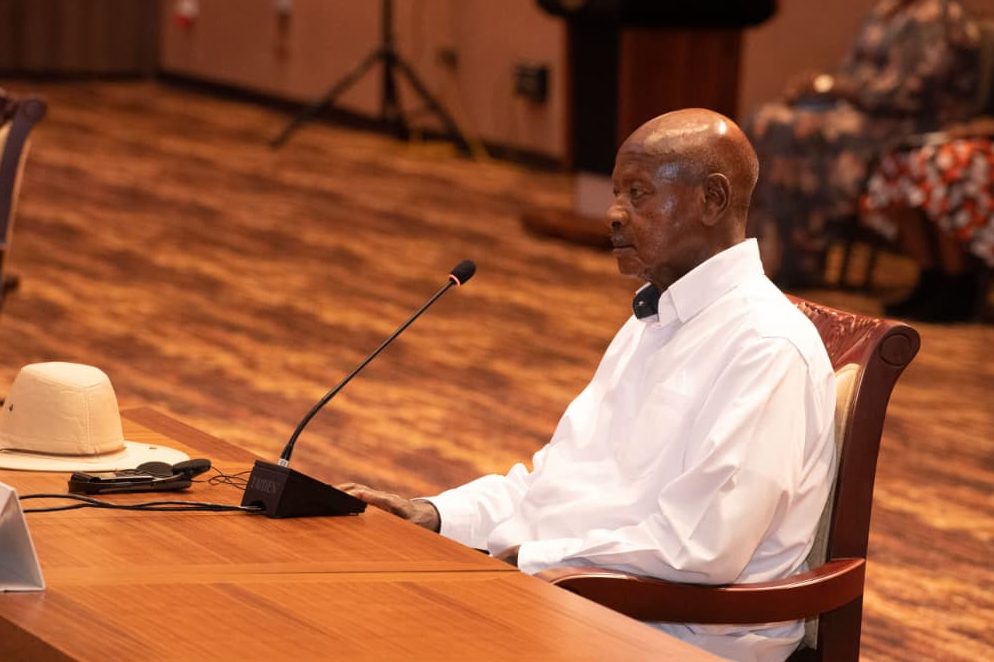





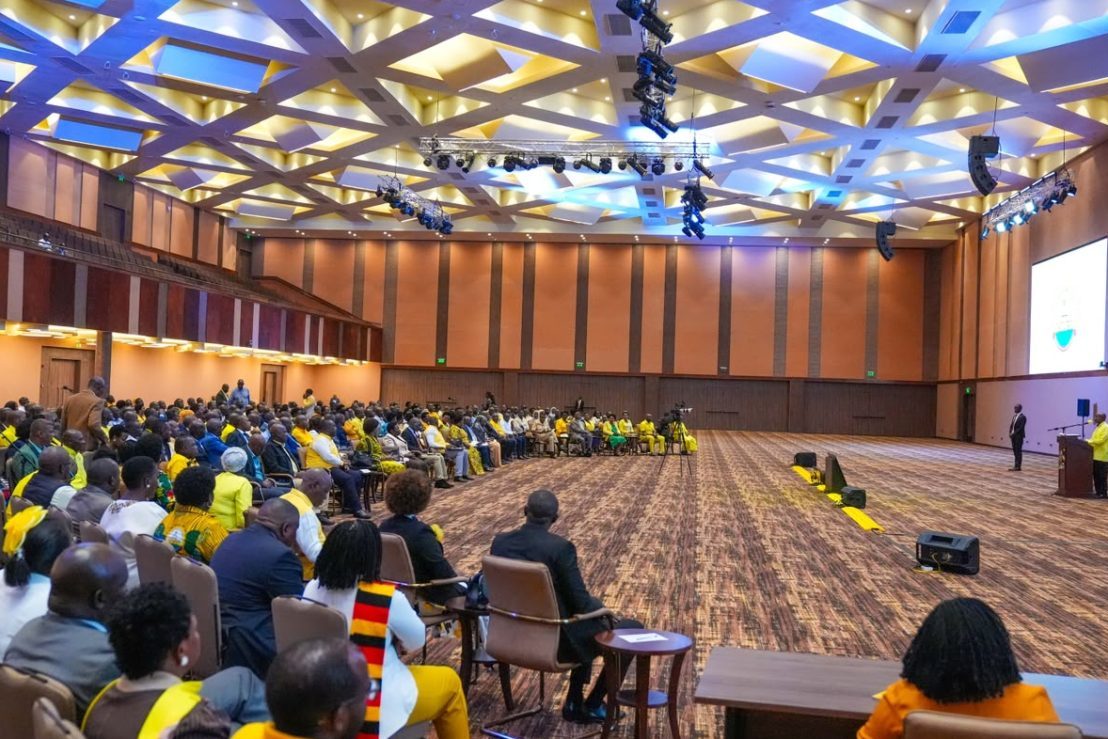
President Yoweri Museveni stood before newly elected National Resistance Movement legislators at Munyonyo last Friday and delivered a warning that had nothing to do with political opponents or border security. The threat he described was quieter, slower, and in many ways far more insidious: a wave of cancer and diabetes cases washing over Uganda with a force the country’s health system was not built to absorb.
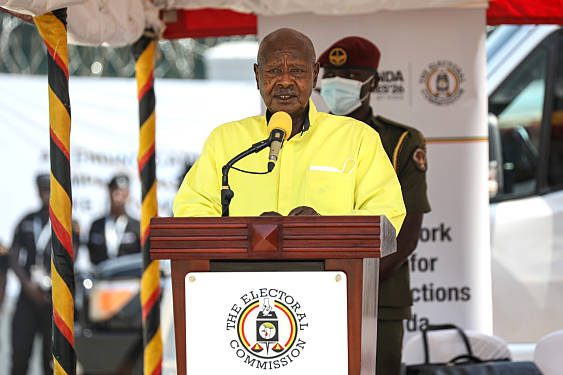
For a leader who built much of his legacy on defeating the diseases that once made Uganda a byword for public health catastrophe, the admission carried real weight. Guinea worm, measles, polio, these were battles the government fought and, by most measures, largely won. But as Museveni told the assembled MPs, those hard-won victories have not delivered the healthy nation anyone imagined. A new category of illness has moved into the space left behind.
From Infectious to Chronic: A Health System Under Pressure
The shift from infectious diseases to non-communicable diseases, or NCDs, is not unique to Uganda. It is a pattern playing out across sub-Saharan Africa as urbanisation accelerates, diets change, and populations age. What makes Uganda’s situation particularly urgent is the speed of the transition and the state of the infrastructure trying to manage it.
Cancer care, in particular, demands specialist equipment, trained oncologists, radiotherapy units, and long-term treatment plans. Uganda has made investments in this space, but demand has far outpaced capacity. Museveni put the gap in personal terms: he said Ugandans were approaching him directly, asking for financial help to travel to India for cancer treatment. That detail speaks volumes. When a head of state becomes a personal financial backstop for citizens seeking basic oncological care, the system has a structural problem that press releases cannot paper over.
“People are contacting me to go to India for treatment. What is causing the cancer? Why are cancers so much now?” Museveni asked, according to remarks delivered at the Munyonyo address. The question was rhetorical, but it also signalled something meaningful: the president wants a diagnostic conversation, not just a budget line.
Aflatoxin, Groundnuts, and the Food Safety Connection
Museveni did not come to the subject of cancer causes unprepared. He pointed back to a position he had taken previously on aflatoxin contamination, specifically in shelled groundnuts. Aflatoxins are toxic compounds produced by certain moulds that grow on poorly stored crops. Scientists have established a strong link between chronic aflatoxin exposure and liver cancer, and groundnuts are one of the most common carriers when storage conditions are inadequate.
The president said his earlier intervention on shelled groundnuts was directly motivated by this concern. “I talked about this before. That’s why I took action on shelled groundnuts because of the issue of fungus,” he said. It is a relatively rare moment in African political discourse: a head of state connecting food safety regulation to cancer prevention in a public setting and using it as a basis for future policy.
Aflatoxin contamination is a widespread problem across East Africa. Maize, groundnuts, and other staple crops stored in warm, humid conditions are particularly vulnerable. For low-income households with limited storage options, the exposure risk is not occasional but chronic. If Uganda’s cancer burden is partly driven by dietary aflatoxin exposure, addressing it requires action at the level of agricultural practice, storage infrastructure, and food safety enforcement rather than simply building more hospitals.
Diabetes and the Lifestyle Dimension
Alongside cancer, Museveni flagged diabetes as a condition that had grown “too much” in Uganda. Type 2 diabetes, the predominant form, is closely associated with dietary patterns, physical activity levels, and urbanisation. As more Ugandans move into cities and adopt sedentary work patterns accompanied by processed food consumption, the metabolic risk profile of the population shifts accordingly.
Uganda’s diabetes burden is part of a broader continental trend. The International Diabetes Federation has projected a sharp increase in diabetes cases across sub-Saharan Africa over the coming decades, driven largely by urbanisation and lifestyle changes. The challenge is that diabetes, like cancer, is expensive to manage long-term. Insulin, blood glucose monitoring equipment, and specialist consultations create ongoing costs that strain both households and public health budgets.
Prevention, in this context, is not just the morally obvious choice but the economically rational one. A population educated about diet, physical activity, and early screening costs a fraction of one treated for advanced diabetes complications or late-stage cancer.
Cabinet Proposals and What Comes Next
Museveni’s pledge to table proposals before Cabinet is the most concrete policy signal to emerge from the Munyonyo address. The details of those proposals are not yet public, but the framing suggests a focus on two areas: investigation into the causes of rising cancer rates and strengthened prevention measures.
If the government follows through with genuine urgency, there are several obvious fronts to address. Food safety regulation needs teeth, particularly around aflatoxin testing and storage standards. Cancer screening programmes need to reach rural populations, not just urban centres. Public awareness campaigns around diabetes risk factors need sustained funding. And the medical training pipeline needs to produce more oncologists, endocrinologists, and specialist nurses than it currently does.
Uganda has demonstrated before that it can mobilise effectively against disease when political will aligns with resources. The HIV/AIDS response, whatever its limitations, showed what coordinated action could achieve. The question now is whether non-communicable diseases, which lack the same visceral urgency as a fast-moving epidemic, can command the same political attention over the years it takes to shift population health outcomes.
A Country at a Crossroads
There is something striking about a government that successfully eliminated Guinea worm now grappling with oncology capacity. It reflects both how far Uganda has come and how quickly the nature of the challenge has changed. The diseases of poverty and poor sanitation have given way, at least partially, to the diseases of development, transition, and changing lifestyles.
Neither category is inevitable. Cancer prevention is possible. Diabetes can be delayed or avoided with the right information and environment. But tackling them requires a health system oriented toward the long game rather than crisis response, and a public that understands the connection between daily choices and long-term health.
Museveni’s alarm is well-placed. The harder question is whether the institutions around him are positioned to act on it with the speed and depth the situation demands. Uganda has about 48 million people, a young population growing fast, and a health budget that has historically underperformed its ambitions. Getting the next chapter right will matter enormously.
What do you think Uganda should prioritise first: expanding cancer treatment capacity at home, or investing more heavily in prevention and food safety? Share your perspective below.