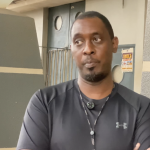






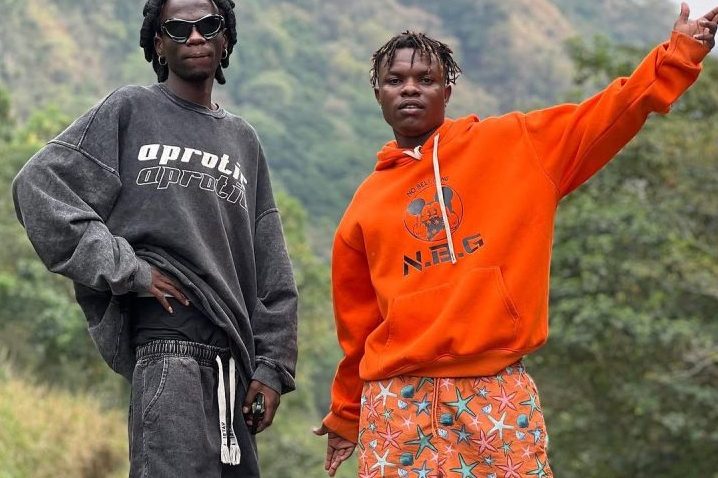
Ugandan dance choreographer Mulo Mazzina has a bone to pick, and it is a surprisingly legitimate one. Speaking publicly about his creative work, Mazzina made clear that watching high-profile athletes perform his signature dance moves on international stages, without a single coin coming his way, is something he can no longer quietly brush off.
The Moment the Camera Panned to His Moves, Not His Name
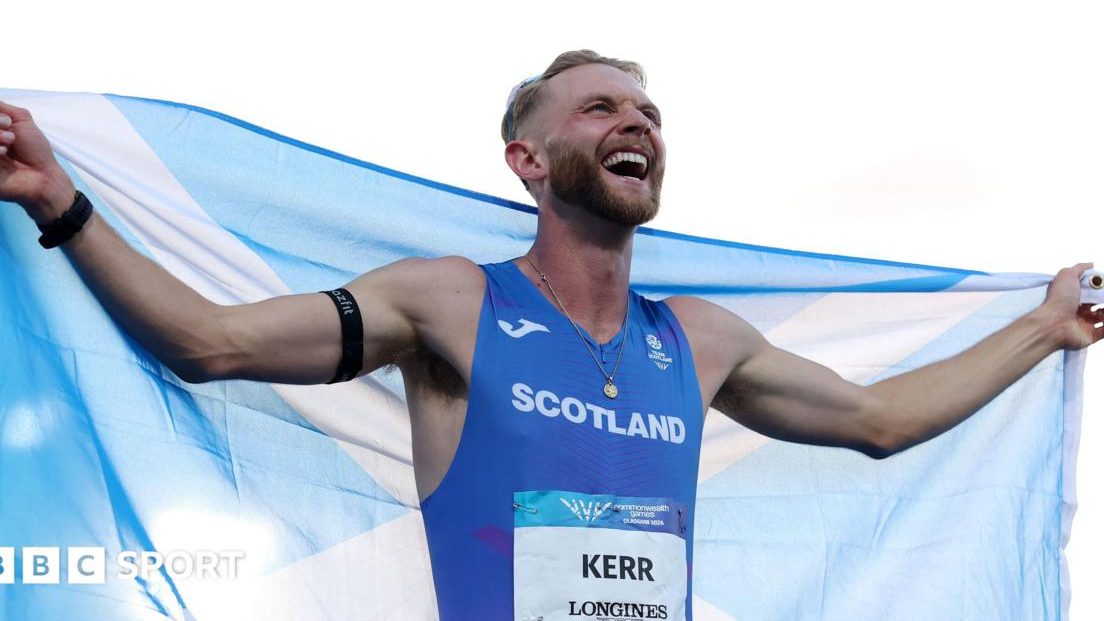
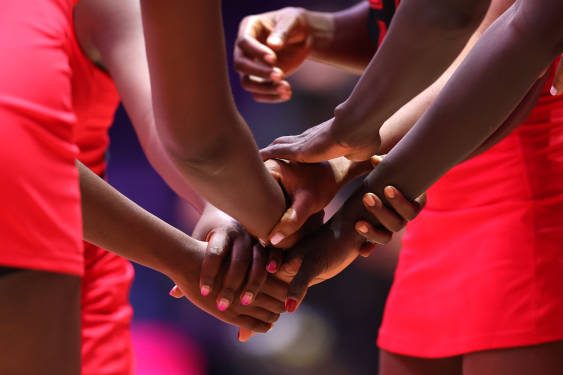
It is one thing to inspire people. It is another thing entirely to watch someone else receive the applause, the broadcast time, and the brand association that comes with a moment your creativity made possible. Mazzina found himself in exactly that position when he noticed Uganda Cranes football players and national netball players pulling out his choreography during international tournaments, treating his work like a freely available prop in their celebration toolkit.
When asked directly whether anyone had ever performed his dance moves in a way that made him feel owed, Mazzina did not hesitate. He pointed squarely at the athletes representing Uganda on the world stage and said, in his own words, that those players need to “cash him out” whenever they showcase his moves during tours. His position is blunt, his reasoning is coherent, and the conversation it opens is long overdue.
A Global Debate Landing in Uganda’s Backyard
This is not purely a Ugandan story. The question of whether choreographers deserve compensation when their work is performed, adapted, or celebrated by others has been simmering in sports and entertainment circles globally for years. Think of the NFL players whose touchdown dances triggered copyright lawsuits, or the online debate every time a footballer borrows a viral move from a content creator without credit. The pattern is familiar: a creative person builds something distinctive, a famous person adopts it, and the original artist watches the cultural moment unfold from the sidelines.
What makes Mazzina’s case particularly interesting is the institutional angle. He was not just speaking about informal borrowing between friends or communities. He specifically called out organised, nationally representative sports teams performing his choreography at international competitions. These are structured environments, with management teams, sponsors, PR setups, and media coverage. His point is sharp: if there are people being paid to manage these athletes, there is a chain of accountability that should, logically, extend back to the people whose creativity is being used.
The Management Gap He Wants to Close
Mazzina acknowledged that part of his frustration comes from access, or the lack of it. He noted that if he had a direct line to the people running the athletes’ affairs, he would have already raised the issue formally. That is a telling admission. It suggests this is less about anger and more about a structural gap between Uganda’s creative sector and its sports establishment, two worlds that clearly intersect but rarely communicate about the value being exchanged.
In many parts of the world, choreography sits in a legally murky space. Copyright law in several jurisdictions does protect original choreographic works, but enforcement is notoriously difficult, especially when the “borrowing” happens in a live, spontaneous-looking context like a post-goal celebration. A footballer throwing out someone’s signature move on a pitch in a foreign country looks like organic joy. Legally, though, it could be something more complicated.
Why This Conversation Matters Beyond One Choreographer
Mazzina’s comments touch something much larger than one man’s frustration. Uganda has a thriving creative culture, producing dancers, choreographers, musicians, and artists whose work feeds into the national identity that athletes then carry onto world stages. When a Ugandan sportsman or woman celebrates a victory with a move rooted in local culture, that moment is partly made possible by the artists who shaped what Ugandan expression looks and feels like.
Yet those artists rarely appear in the financial conversations that surround national sports. Sponsorship deals, broadcast rights, kit endorsements, the money flows in many directions around major sporting events. The creative ecosystem that gives those events their cultural texture tends to remain invisible in the accounting.
Mazzina is not the first African creative to push back on this arrangement, and he almost certainly will not be the last. Across the continent, there is a growing awareness among musicians, visual artists, and now choreographers that cultural contribution deserves cultural compensation. The conversations being had in Lagos, Nairobi, and Johannesburg about intellectual property and creative rights are slowly reaching Kampala, and voices like Mazzina’s are part of that shift.
What a Fair System Could Look Like
There is no simple answer here, but there are workable models. Sports federations could establish voluntary licensing agreements with local artists whose work their athletes draw from. National Olympic and sports committees could build cultural contribution acknowledgments into their athlete branding guidelines. Even a formal credit system, where athletes publicly name the choreographers whose work they perform, would be a meaningful start, both ethically and in terms of the exposure it would give creators like Mazzina.
At a minimum, the conversation Mazzina has started deserves to be taken seriously by Uganda’s sports administration. His moves crossed borders. His name did not. That imbalance is worth fixing.
So here is the question worth sitting with: if Ugandan athletes can use a choreographer’s creative signature to express national pride on an international stage, what exactly does the nation owe the person who created that signature in the first place?