


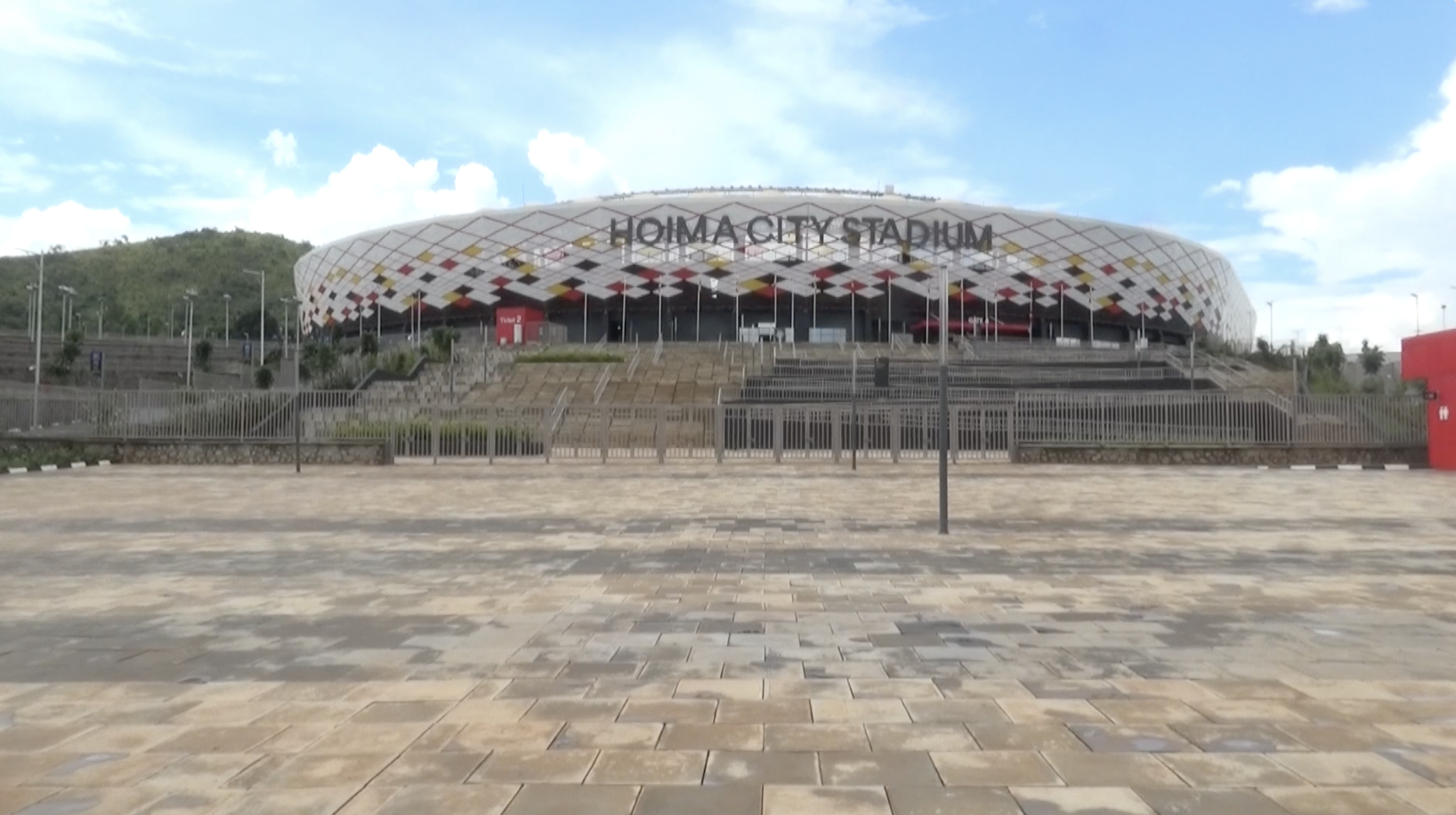
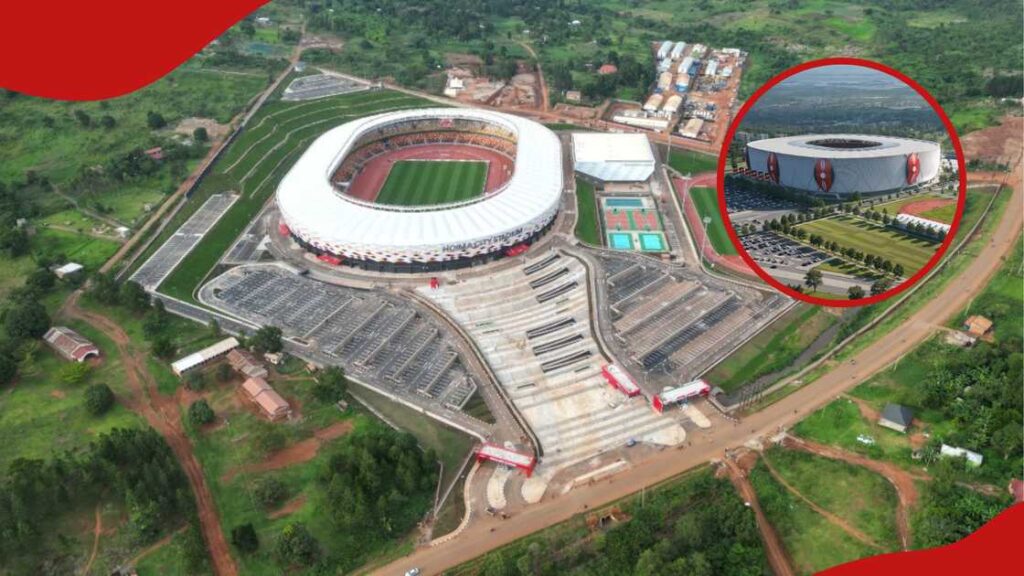
The countdown to the 2027 Africa Cup of Nations is no longer a distant drumbeat. It is loud, urgent, and getting harder to ignore. On September 26, 2026, members of the UPDF Engineering Brigade appeared before Uganda’s Public Accounts Committee to give lawmakers a detailed account of where things stand on construction contracts covering facilities in Kampala, Hoima, and Masindi, three host cities that must be ready before the continent’s biggest football showpiece arrives on Ugandan soil.
Military Precision Meets Political Scrutiny
There is something almost poetic about soldiers accounting for stadiums. The UPDF Engineering Brigade, contracted to handle infrastructure work across the three cities, stepped into the parliamentary spotlight at a moment when public patience with construction delays is running thin. Lawmakers on the Public Accounts Committee were not there for small talk. They wanted progress reports, timelines, and honest answers about whether Uganda will actually be ready.
The UPDF Engineering Brigade’s parliamentary briefing marks a significant moment in Uganda’s AFCON preparation story, signaling that accountability structures are being activated as deadlines approach. Whether those structures will be enough to push the projects over the finish line on time is the real question hanging in the air.
Three Cities, One Massive Responsibility
Kampala, Hoima, and Masindi each carry their own weight in Uganda’s hosting ambitions. Kampala, as the capital, carries the obvious prestige. Mandela National Stadium at Namboole has long been the face of Ugandan football, but AFCON standards demand more than sentimental attachment, they demand modern facilities that can hold up to CAF scrutiny.
Hoima is a different story. The oil city in western Uganda has emerged as one of Uganda’s fastest-growing urban centres, and its inclusion as an AFCON venue reflects both its growing stature and the government’s desire to use the tournament to accelerate infrastructure development outside Kampala. Building a match-standard venue in Hoima is not just about football. It is about leaving behind a legacy that the city’s residents can use for decades.
Masindi, quieter and less prominent on the national stage, rounds out the trio. Each location presents its own logistical puzzle, from supply chains to labour availability, and the UPDF Engineering Brigade has been tasked with solving all three simultaneously.
Why Military Engineers?
Bringing in the UPDF Engineering Brigade for a civilian infrastructure project of this scale is a deliberate choice. Military engineering units operate with a command structure designed for speed and discipline, two qualities that civilian contractors do not always guarantee. They are accustomed to working under pressure, meeting hard deadlines, and adapting to difficult conditions. In a project where CAF compliance timelines are non-negotiable, those qualities matter enormously.
Uganda is not the first African nation to lean on its military engineering capacity for major infrastructure work. The approach has precedent across the continent, and when managed well, it tends to deliver results that match the urgency of the task at hand.
What Parliament Needs to Know
The Public Accounts Committee plays a critical oversight role in Uganda’s governance framework. When a body of this nature summons contractors to account for public funds, it sends a message that blind trust is not on offer. Taxpayers are financing these facilities, and the committee’s job is to ensure that money is being spent wisely, efficiently, and with results to show for it.
Parliamentary oversight at this stage of construction is actually healthy. Catching problems now, with time still on the clock, is infinitely better than discovering them six months before the opening ceremony. The committee’s interest suggests that Uganda’s institutional checks are engaging with the AFCON project in a serious way, which is exactly what large-scale public investment demands.
The Broader Stakes for Uganda
Hosting AFCON is not simply a sporting achievement. It is a geopolitical statement. A country that pulls off a successful tournament signals to investors, tourists, and fellow African nations that it has the organizational capacity and the infrastructure to handle major events. The economic ripple effects, from hospitality to transport to retail, can be substantial if managed well.
Uganda last co-hosted a major CAF tournament decades ago, and the opportunity to stake a modern claim on the continental stage does not come around often. Every delayed pour of concrete, every missed inspection, every procurement dispute chips away at that opportunity. The UPDF Engineering Brigade walking into parliament is, in that sense, a reminder that this project is bigger than any single contract.
The Road Ahead
What happens next will depend on the specifics of what the brigade reported to the committee and how lawmakers respond. If the progress briefing revealed significant gaps, pressure will mount on contractors and government ministries to mobilize additional resources quickly. If the update was broadly positive, it will offer a rare moment of reassurance in what has been an anxious construction period.
Either way, Uganda has crossed into the phase of AFCON preparation where there is no longer room for optimistic vagueness. The facilities in Kampala, Hoima, and Masindi need to be real, functional, and CAF-certified. The UPDF Engineering Brigade knows it. Parliament knows it. And the rest of Africa is quietly keeping score.
So here is the question worth sitting with: Can Uganda turn this moment of parliamentary accountability into genuine momentum on the ground, or will the country find itself in a last-minute scramble that puts its hosting credentials at risk? The answer will be written in concrete, not committee rooms.