


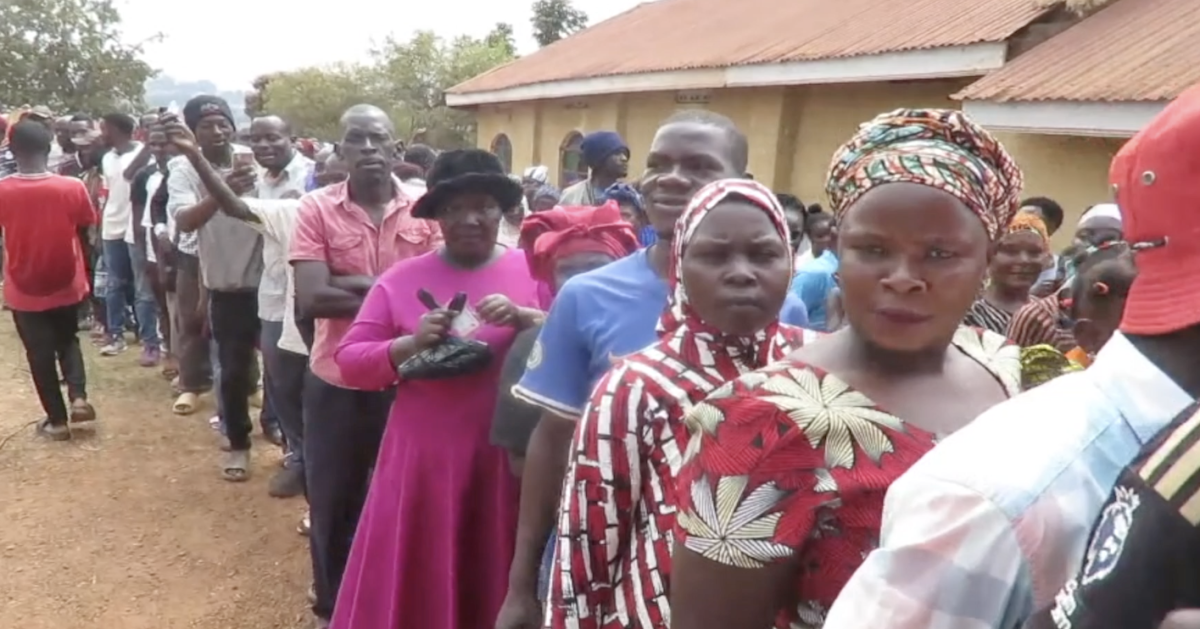
Weeks after Ugandans cast their votes for village-level Local Council 1 (LC 1) chairpersons, the results from several areas remain a source of bitter disagreement, and the arguments are not staying politely confined to community halls. Religious leaders, ordinary residents, and political observers have all been drawn into a simmering row that speaks to something bigger than who gets to sit in a local council chair.
What Happened During the LC 1 Elections
The LC 1 elections, which determine who serves as chairperson at the most basic unit of Uganda’s local government structure, were expected to be relatively straightforward. These are neighbourhood-level contests, the kind that rarely make national headlines. But the mood on the ground told a different story.
Campaigns grew unexpectedly intense in a number of areas, with some candidates reportedly spending at levels that rivalled, and in a few documented cases, actually surpassed, the campaign budgets of Members of Parliament. That detail alone raises serious questions about where the money was coming from and what, exactly, these local seats are worth to those competing for them.
According to NTV Uganda’s coverage, the elections pulled in a wide range of voices including religious figures, and concerns were raised that even the vote on the spine, a separate ballot process, could be susceptible to manipulation.
Why Religious Leaders Got Involved
It is unusual, though not unheard of, for religious leaders to wade into village council politics in Uganda. Their presence in this particular dispute signals that the community tensions ran deeper than a simple disagreement over vote counts. When faith leaders feel compelled to weigh in on a local election, it generally means the social fabric of the community has been stretched thin enough to worry people beyond the political class.
Religion in Uganda carries enormous social authority. A word from a respected religious figure can calm or inflame a neighbourhood far more effectively than any statement from a government official. The fact that they were among those expressing concern about the LC 1 outcomes suggests the controversy touched on issues of fairness and community trust that go beyond partisan loyalty.
The Allegation That Wouldn’t Go Away: Was the Vote Stolen?
Central to the ongoing dispute is a fear that some results were manipulated. The concern about the spine vote, a mechanism within the electoral process, being vulnerable to theft added another layer of anxiety to an already tense situation. These are not small allegations. Suggesting that a ballot was interfered with, even at the most local level, chips away at confidence in the entire democratic system.
Uganda has had its share of electoral disputes at the national level, and each time, critics argue that patterns of irregularity start small, at the grassroots, and work their way up. Whether that argument applies here remains to be proven, but the very fact that community members are raising it loudly is a signal worth taking seriously.
Campaign Spending That Raised Eyebrows
Perhaps the most striking detail to emerge from this controversy is the scale of campaign spending. When candidates for a village chairperson position outspend parliamentary hopefuls, it forces an uncomfortable question: what are these local positions really being used for?
LC 1 chairs hold limited but real power in their communities. They settle small disputes, facilitate local administration, and serve as a first point of contact between residents and the broader government structure. Historically, these roles were filled by community members with genuine local standing and modest means. A shift toward high-spending campaigns suggests that the calculations around these positions have changed considerably.
Grassroots Democracy Under Pressure
Uganda’s local council system was designed in the late 1980s as a framework for participatory governance from the bottom up. The idea was simple and genuinely democratic: give communities the power to choose their own representatives at the most immediate level, and build accountability upward from there.
But systems designed with good intentions can be bent by ambition and money over time. When the elections for the most basic unit of government become contested, expensive, and divisive, it is worth asking whether the original spirit of the local council model is still intact.
Critics of Uganda’s broader political environment have long argued that competitive elections at any level are frequently accompanied by irregular practices. Supporters of the system point out that disputes are normal in any democracy and that the existence of controversy does not automatically mean wrongdoing occurred. Both positions contain truth. The harder task is figuring out where, in any specific case, the line falls.
What Happens Next
The results from the disputed LC 1 areas remain unresolved in any formal sense. Communities are still divided, grievances are still being aired, and it is unclear whether any official review or dispute resolution process will be triggered to bring closure.
For the residents caught in the middle, the wait is more than just political. These are neighbours who now eye each other differently across fences and at markets. The social cost of an unresolved election dispute at the village level is not abstract, it is daily and personal.
Uganda’s Electoral Commission and relevant local government authorities have the tools to investigate complaints and review results where credible evidence of irregularities exists. Whether that process is applied consistently and transparently in these cases will say a great deal about the health of the country’s democratic institutions at their most fundamental level.
The Bigger Picture
Local elections matter. Globally, political scientists have documented that participation in local governance builds civic culture, trains future leaders, and strengthens communities. When those elections become flashpoints for conflict rather than exercises in collective decision-making, something important is being lost.
Uganda is not alone in grappling with this challenge. Across Africa and beyond, village and ward-level elections have increasingly mirrored the intensity and controversy of national contests. The trends are connected: as politics becomes more transactional at the top, the same dynamics filter down to the bottom.
For now, the LC 1 controversy in Uganda stands as both a local story and a mirror held up to larger questions about power, money, and who democracy actually serves.
What does it say about a political system when the most local election of all becomes the most contested? And more pointedly, whose job is it to fix that?