




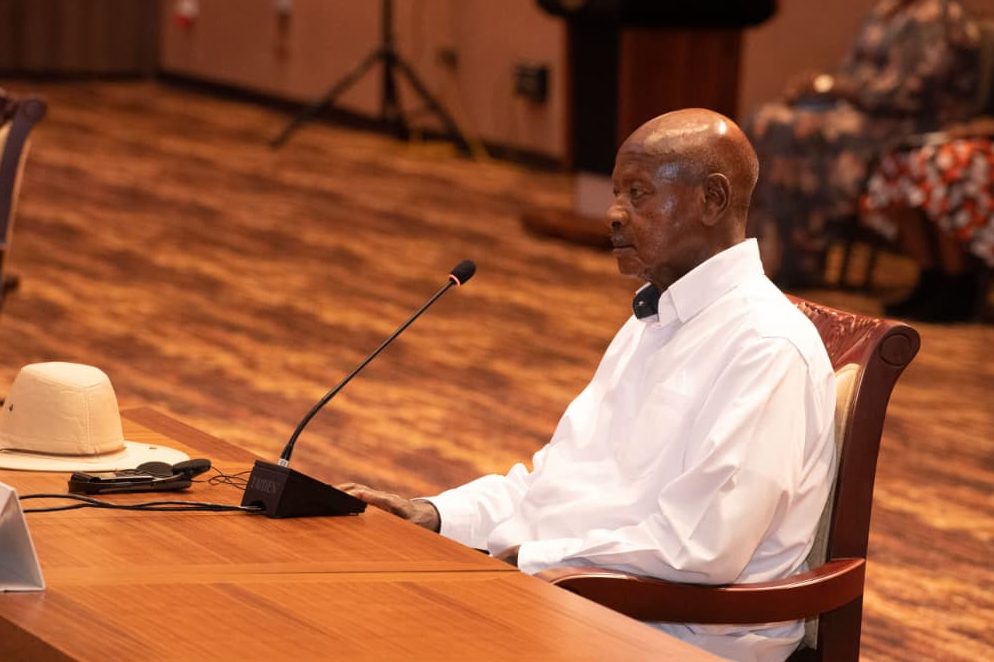

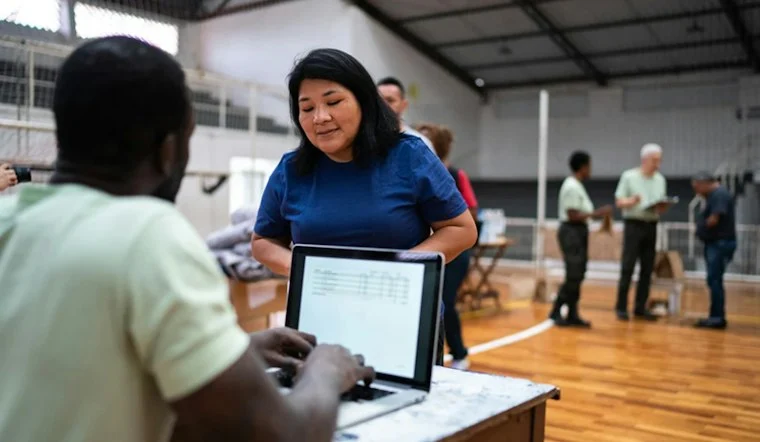



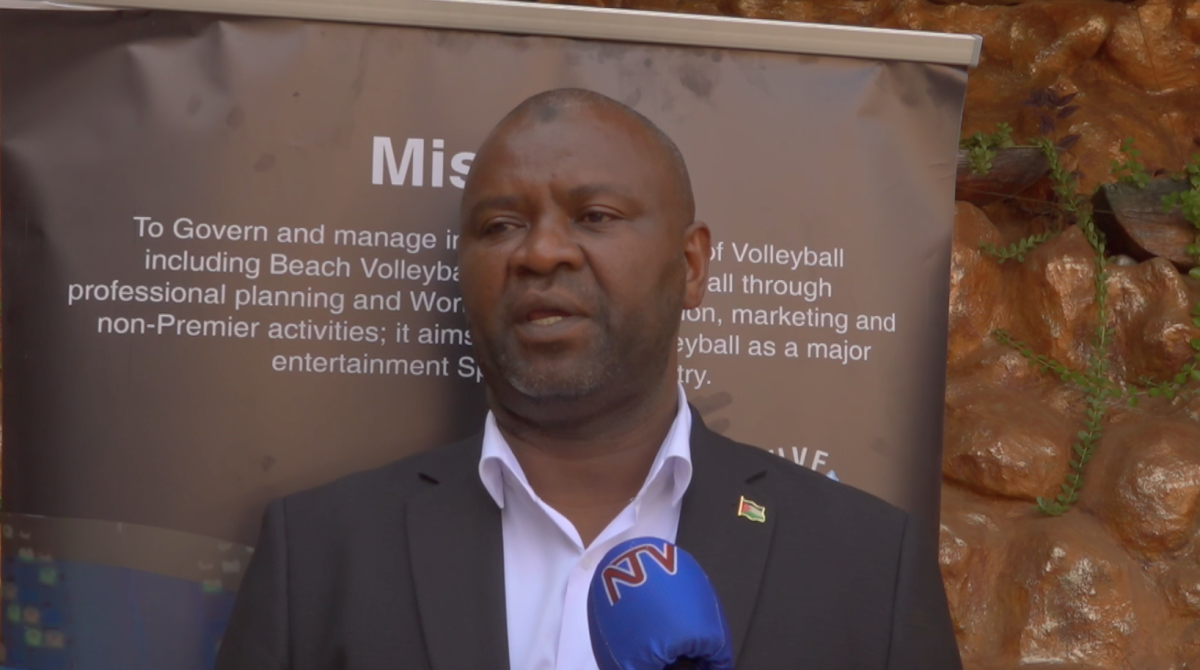
The Uganda Volleyball Federation gathered its stakeholders on Saturday at Nobe View Hotel for its annual General Meeting, and the business of the day was serious: a thorough review of the federation’s own constitution. The goal was not ceremonial. Officials wanted to bring the governing document into full alignment with both the Uganda Sports Act and the National Council of Sports, a process that signals a shift toward tighter, more accountable sports administration in the country.
Why a Constitution Review Is a Bigger Deal Than It Sounds
It is easy to dismiss a constitutional review as bureaucratic housekeeping. Sign a few papers, tick a few boxes, move on. But in the world of sports governance, the way a federation writes its own rules determines almost everything else: how leadership is elected, how disputes are settled, how money is managed, and how athletes are protected. A document that lags behind national legislation is not just outdated. It is a liability.
Uganda’s sports sector has been growing steadily, and with that growth comes pressure on governing bodies to operate with greater transparency and structure. The Uganda Volleyball Federation’s decision to voluntarily review and update its constitution is a step that puts the sport on firmer legal and administrative ground. It also positions the federation to engage more credibly with government institutions and international volleyball bodies.
Aligning With the Uganda Sports Act
The Uganda Sports Act sets the legal framework within which all recognized sports federations in the country must operate. It covers everything from registration requirements to governance standards, financial accountability, and the rights of athletes. When a federation’s internal rules contradict or simply ignore what the Act requires, it creates gaps that can lead to internal conflicts, funding disputes, or worse, disqualification from national and international competitions.
By bringing its constitution into line with this legislation, the volleyball federation is essentially future-proofing itself. Decisions made at meetings like the one held Saturday become harder to challenge in court or at the National Council of Sports when the federation’s own documents reflect the law clearly. It also makes the body more attractive to sponsors and development partners who want assurance that the organization they back is run properly.
The National Council of Sports Connection
The National Council of Sports plays a central role in regulating and supporting sports federations across Uganda. It sets standards, facilitates funding, and serves as the bridge between individual sports bodies and the government. For the volleyball federation to align its constitution with what the Council expects is not just compliance. It is smart positioning.
Federations that operate within the Council’s framework tend to access resources more efficiently and face fewer administrative hurdles when seeking recognition or support for national teams and competitions. The annual General Meeting at Nobe View Hotel was, in that sense, as much about the future of the sport as it was about paperwork.
What This Means for Volleyball in Uganda
Volleyball in Uganda has a solid base of passionate players across schools, clubs, and community leagues. The sport has produced athletes who compete at regional level and has been growing its footprint, particularly in urban centers. But growth without structure tends to stall. A federation that cannot govern itself well cannot effectively develop the sport it represents.
Saturday’s meeting is a signal that the people running volleyball in Uganda understand that. Getting the constitutional details right is the unglamorous work that allows the more exciting stuff, the tournaments, the talent pipelines, the international exposure, to actually happen and stick.
What Comes Next
A reviewed constitution must then be implemented. The real measure of Saturday’s meeting will come in how the federation actually operates in the months ahead. Do elections follow the new procedures? Do financial reports go where they should? Do athletes and clubs feel represented within the structure? These are the questions that will determine whether the Nobe View Hotel meeting was a genuine turning point or just a well-attended formality.
Uganda’s sports landscape is full of potential, and volleyball has every reason to be part of the country’s next chapter in competitive sport. The work starts with the documents, yes. But the proof will be in the game.
Could this kind of governance overhaul serve as a model for other Ugandan sports federations still operating under outdated rules? Share your thoughts below.