



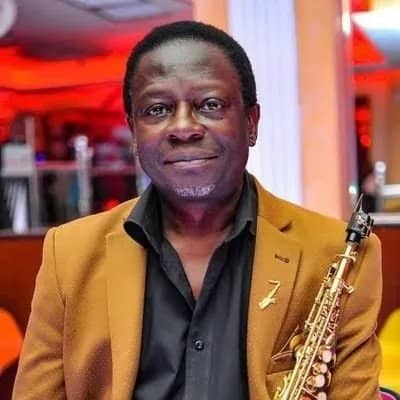
Uganda woke up on September 24, 2026, to news that cut through the morning air like a cold blade. Papa Moi Moses Matovu, one of the most recognizable voices ever to grace the Afrigo Band stage, was attacked by unknown assailants near Kibuli Market Zone B in Makindye Division, Kampala District. He was rushed to Kibuli Hospital, but the injuries proved too severe. He did not survive.
The Uganda Police Force has since confirmed the incident, registered a murder case, and deployed a task force to the scene. As investigators work to piece together what happened in those early hours, a grieving nation is being forced to confront an uncomfortable question: how does a country repay the debt it owes to its cultural giants when it cannot even keep them safe?
A Giant of Ugandan Music
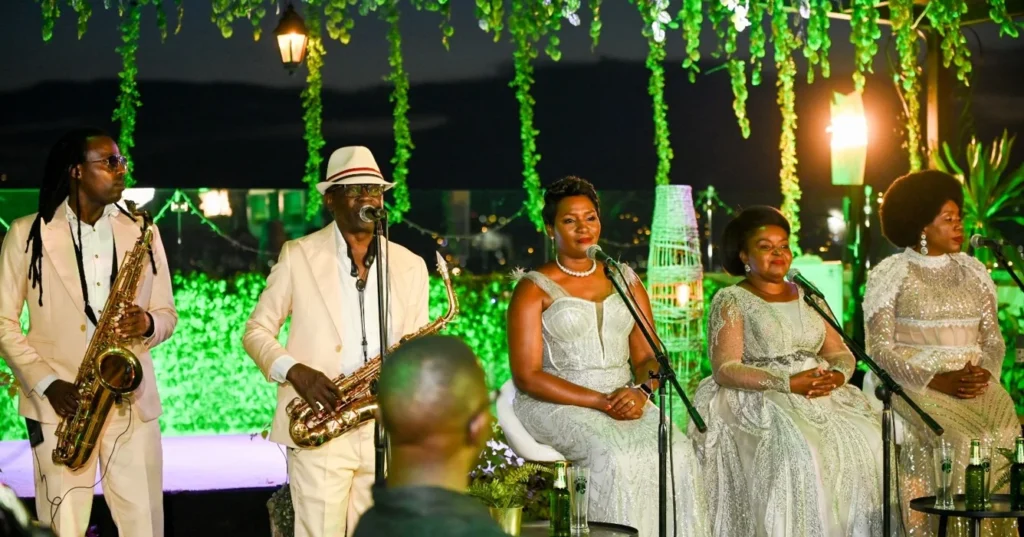
To understand the magnitude of this loss, you have to understand what the Afrigo Band has meant to Uganda across five decades. Founded in 1974, the band became the definitive sound of modern Ugandan popular music, blending Afrobeat, Congolese rumba, and traditional rhythms into something that felt entirely homegrown and entirely timeless. Moses Matovu was one of the pillars of that sound. His nickname, Papa Moi, was not just a stage name. It was a title earned through years of musical service, the kind of quiet authority that only comes from genuine artistry.
Matovu’s voice carried the weight of lived experience. He sang about love, loss, community, and the complicated beauty of everyday Ugandan life. For generations of fans, his music was the background score to their childhoods, their weddings, their long drives upcountry. The idea that a man who gave so much to his country could meet such a violent end on an ordinary Thursday morning feels, frankly, like a betrayal.
What Police Know So Far
According to the official police statement, Matovu was attacked in the morning hours at Kibuli Market Zone B, a busy commercial zone within Makindye Division. The assailants remain unidentified, and authorities have not yet publicly established a motive. A dedicated task force is now on the ground, conducting forensic and witness-led investigations to build a clearer picture of the events leading up to the attack.
Police have confirmed that efforts are actively underway to identify and apprehend those responsible. Given the public profile of the victim, this case has already attracted significant national attention, and there will be enormous pressure on investigators to deliver answers quickly and transparently.
The Scene and the Timeline
The attack occurred in a market zone, a place ordinarily associated with the noise and bustle of commerce, not violence. That a musician of Matovu’s stature was present there in the morning hours, and that he was attacked in what is a relatively populated urban zone, raises serious questions about the brazenness of the assailants. Emergency responders transported him to Kibuli Hospital, where medical staff fought to stabilize him. Their efforts were ultimately unsuccessful.
A Cultural Loss That Cannot Be Quantified
Uganda has lost musicians before, but the death of Papa Moi carries a particular sting. The Afrigo Band is not just a musical institution; it is a living archive of Ugandan cultural memory. Each member who has passed through its ranks has contributed to a legacy that outlasts trends, genres, and generations. Matovu was among those who helped build that legacy note by note, performance by performance.
Tributes have begun flowing in from across the entertainment community and beyond. Fellow musicians, fans, and cultural commentators are all grappling with a grief that feels strangely personal, the way it always does when art has genuinely touched lives. When a musician of this caliber dies, people do not just mourn a person; they mourn every song, every live show, every memory attached to that voice.
Safety and the Vulnerability of Artists
This tragedy also reopens a broader conversation about the safety of public figures and artists in Uganda’s urban spaces. Markets and commercial zones in cities like Kampala are, by their nature, high-traffic and sometimes poorly monitored. For a veteran performer who may not have had the kind of security detail afforded to political figures, moving through such spaces carried inherent risks that the public rarely considers when admiring someone from the comfort of a concert crowd.
There is no system currently in place that specifically addresses the physical security needs of Uganda’s cultural figures. Whether this incident becomes a catalyst for that conversation remains to be seen, but it is a conversation that needs to happen.
What Comes Next
The investigation is still in its early stages, and police have urged anyone with information about the attack to come forward. Given the location of the incident and the time of day, it is likely that witnesses exist. Public cooperation could be the decisive factor in bringing Matovu’s killers to justice.
For now, Uganda’s music scene is in mourning. Radio stations have been playing his songs. Social media timelines are filled with memories and condolences. And somewhere in all of that grief, there is also a quiet, simmering anger that a man who spent his life enriching the culture of his country should have met such an end.
Papa Moi Moses Matovu deserves justice. And the people of Uganda, who loved him, deserve to know the truth about what happened on the morning of September 24, 2026.
As investigators work the case, one question lingers: what does a society owe to the artists who define its identity, and are we doing nearly enough to protect them while they are still alive to hear the answer?