






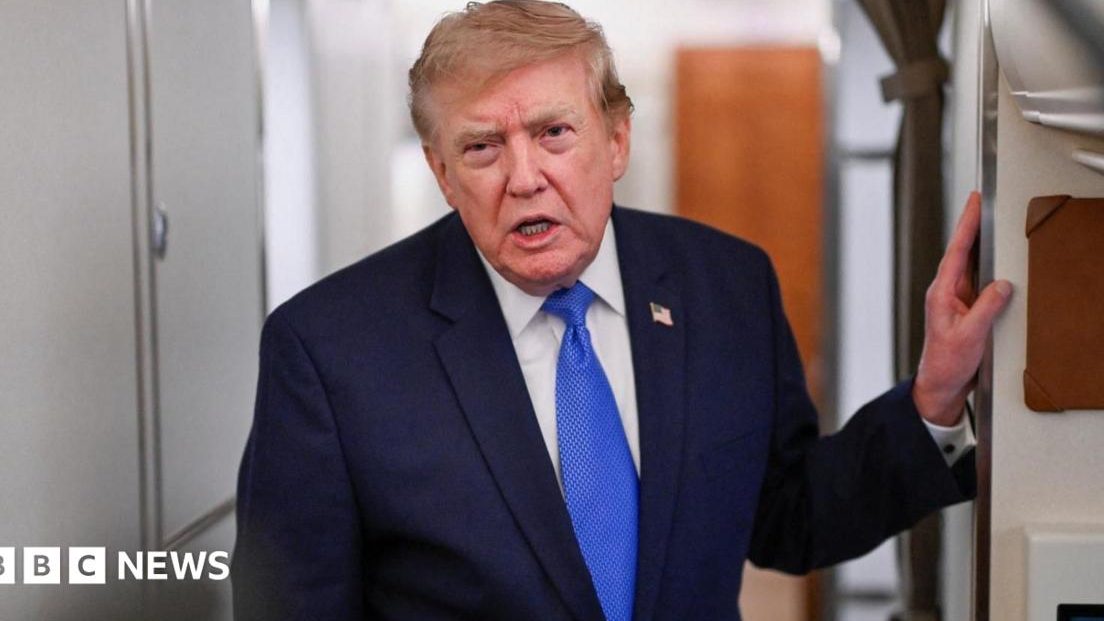
Donald Trump stepped back into the diplomatic spotlight on Monday, August 3, 2026, suggesting that fresh negotiations between the United States and Iran could kick off as early as this week. The announcement, characteristically made with the kind of confidence that bypasses the usual diplomatic groundwork, has generated significant international attention. There is just one problem: Iran has not said a single word in response.
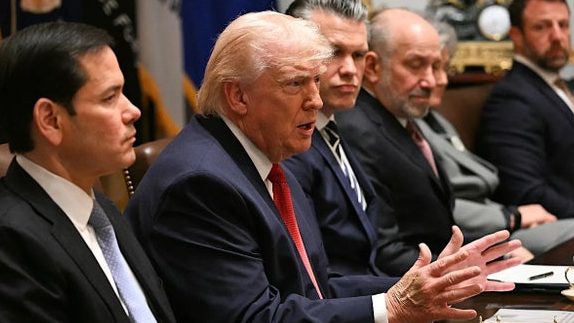
A Familiar Move on a Well-Worn Chessboard
If this feels like a scene you have watched before, that is because you probably have. Trump has a well-documented habit of declaring diplomatic breakthroughs before the other side has even sat down at the table. He has signalled in the past that a negotiated resolution to hostilities with Iran was within reach, only for military strikes to resume and optimism to evaporate. The gap between the announcement and the reality has, more than once, been wide enough to drive a convoy through.
That pattern makes Tehran’s silence all the more charged. Iran’s government has historically been deliberate and tactical in how it signals its intentions, particularly when dealing with Washington. A non-response is not necessarily a rejection, but it is certainly not a confirmation either. It sits in a loaded diplomatic grey zone that both sides understand well.
Why Monday? Why Now?
The timing of Trump’s suggestion raises its own set of questions. Geopolitical analysts have long noted that American administrations, regardless of party, tend to reach for diplomacy when military options begin to carry diminishing returns or when domestic political calculations shift. Whether this latest overture reflects genuine strategic intent or serves another purpose entirely is something the coming days will reveal.
What is clear is that the broader context remains deeply fragile. The region has spent much of the past year lurching between brief lulls and renewed confrontation. Any talks that do materialise would enter an environment thick with mistrust, competing interests, and the weight of a recent history where ceasefires and negotiations have repeatedly failed to hold.
As reported by the BBC, Tehran has not responded to the suggestion that new talks are imminent, and Trump has previously declared a negotiated end to the conflict close, only for strikes to resume shortly after.
What Iran’s Silence Actually Tells Us
In international relations, silence is rarely empty. Iran’s decision not to publicly acknowledge or reject Trump’s Monday suggestion is itself a communication. It preserves Tehran’s options, avoids any perception of eagerness that domestic hardliners could exploit, and keeps Washington guessing about the Iranian government’s actual appetite for engagement.
Iran’s leadership has its own internal pressures to manage. Engaging with Trump carries political risk at home, particularly if any deal is perceived as a capitulation or falls apart publicly, as previous arrangements have. The Islamic Republic’s decision-makers have every incentive to move carefully, even when private channels may tell a different story.
The Stakes Could Not Be Higher
Beyond the political theatre, the substance of what any new talks might actually cover matters enormously. Iran’s nuclear programme remains the central concern for the United States and its allies, with the question of uranium enrichment levels sitting at the heart of every conversation. Then there are the regional dimensions: proxy forces, sanctions architecture, oil markets, and the security of neighbouring states, all of which feed into any negotiating framework.
A genuine agreement would carry consequences far beyond Washington and Tehran. It would reshape alliances across the Middle East, influence energy prices globally, and set a precedent for how the current American administration handles adversarial states. The pressure on both sides to get it right, if they do sit down together, is immense.
Optimism With Eyes Wide Open
Nobody who has followed US-Iran relations over the past decade approaches a moment like this with uncomplicated hope. The history is simply too complicated, the betrayals too fresh, and the structural obstacles too deeply embedded. And yet diplomacy, however imperfect and exhausting, remains the only path that does not end in rubble.
If talks do begin on Monday as Trump has suggested, the first test will not be what negotiators say at the table. It will be whether both sides can resist the internal pressures that have derailed every previous attempt before anything substantive is even agreed. That is a harder challenge than it sounds, and one that no amount of optimistic public statements can shortcut.
The world will be watching closely to see whether Tehran breaks its silence, and what form that response takes when it arrives. Until then, Trump’s suggestion hangs in the air, a promise or a provocation, depending on where you are standing.
So here is the question worth sitting with: when a pattern of failed diplomacy is this well established, what would genuinely different look like, and do either of these governments have the political will to find out?