

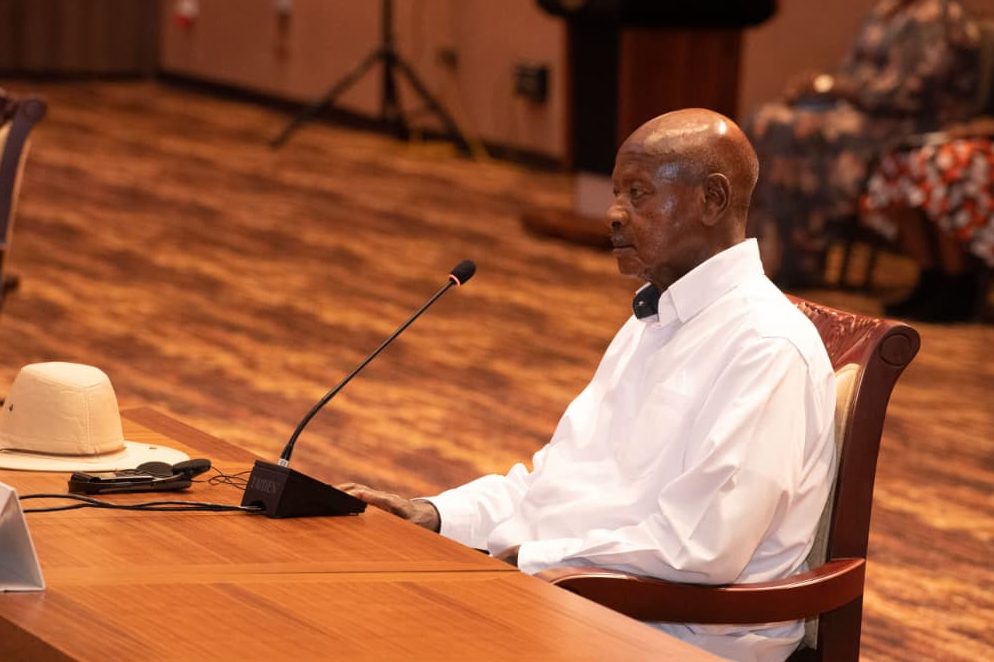




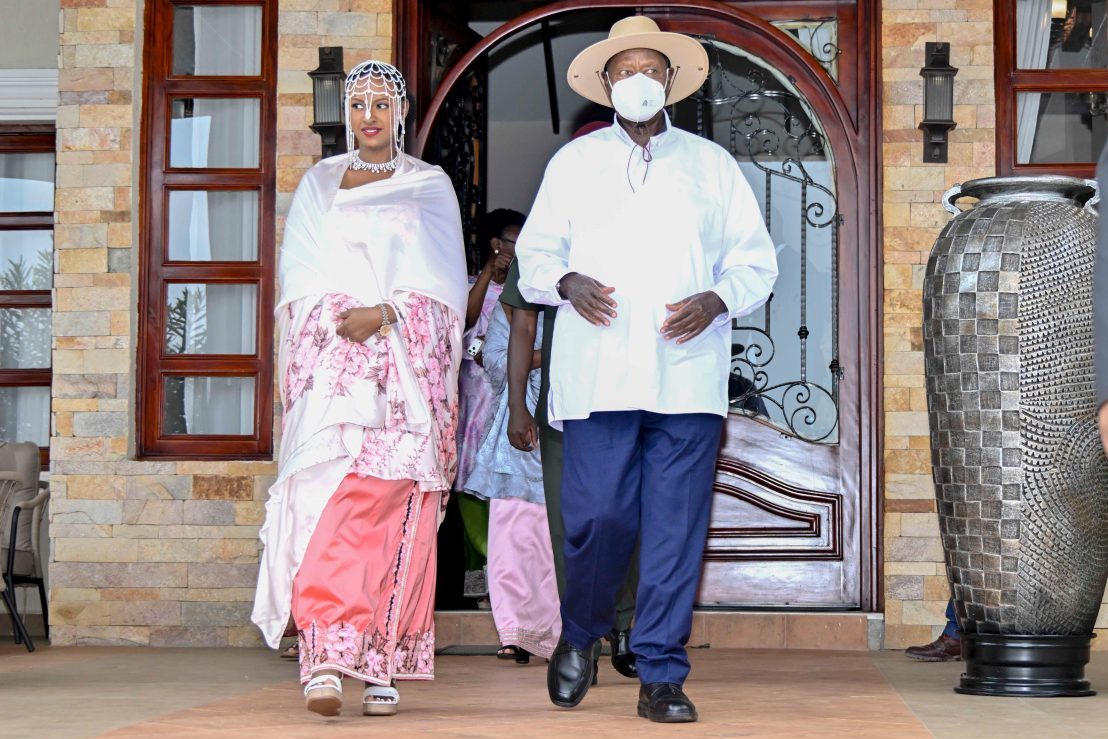
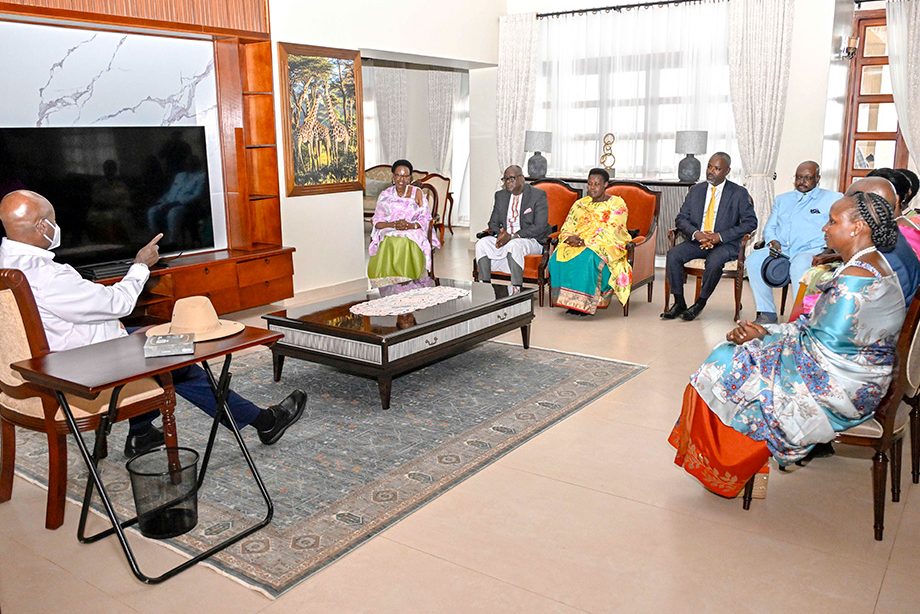
President Yoweri Museveni made a rare personal appearance at a traditional marriage ceremony in Kiruhura District on Saturday, using the occasion to publicly honour State Minister for Luweero Triangle and Rwenzori Region Alice Kaboyo and lift the curtain on her largely unknown role in the earliest, most dangerous days of Uganda’s liberation struggle. The ceremony, an Okuhingira for Kaboyo’s daughter Kisha Isabel Byanjeru Kaboyo, brought together family, community, and the country’s most powerful officeholder in a moment that was equal parts celebration and historical reckoning.
A President Who Almost Didn’t Come
Museveni is known for keeping a strict personal rule: he rarely attends private social functions. The reasoning is practical, if a little presidential. Every movement the head of state makes carries significant logistical costs, from security deployments to transport and coordination, and attending private events sets a precedent that becomes impossible to manage at scale. The rule is not coldness. It is discipline.
But Alice Kaboyo is not simply an ally or a party colleague. She is, by Museveni’s own account, someone whose loyalty stretches back nearly fifty years, to a time when Uganda’s future hung on secrets kept and appearances carefully maintained. When her invitation arrived, the President says he had no choice. “I said, for this case, I must come,” he told those gathered at Kakyeera in Kiruhura District, where Kisha Isabel was formally handed over to her husband Aaron Mwiije Kafureeka.
The Art of Appearing to Do Nothing
The story Museveni told at the ceremony is one that reads almost like a Cold War-era spy novel, except it unfolded in the hills and trading centres of Uganda in the late 1970s. After the disputed 1980 general election, a group of individuals began quietly laying the groundwork for what would become the National Resistance Army bush war. The challenge was hiding those preparations from a government that was already suspicious of Museveni’s intentions.
The strategy was theatre. Museveni publicly projected the image of a man stepping away from politics, signalling that he was interested in a quieter life. He went as far as negotiating to acquire land in Kanoni, a move designed to reinforce the fiction that his political days were behind him. Alice Kaboyo, still a student at the time, frequently accompanied him on these outings, helping sell the performance to anyone watching.
It worked. Attention drifted. And in February 1981, the bush war that would eventually bring the National Resistance Movement to power was launched. The groundwork Kaboyo helped protect had survived intact. As reported by Chimpreports, Museveni credited that early deception as a critical part of what made the eventual armed campaign possible.
From the Frontlines of Secrecy to Nairobi and Beyond
Kaboyo’s service did not stop once the cover was no longer needed. After completing her studies, she joined First Lady Janet Museveni in Nairobi, where she became a trusted member of the household, helping care for the Museveni family during one of the most uncertain and dangerous periods of their lives. She later moved with them to Sweden, maintaining that commitment across borders and through years of displacement.
That kind of loyalty is not built in boardrooms or through political calculation. It is forged in shared risk, shared hardship, and the sort of quiet dedication that rarely makes headlines. Museveni acknowledged as much on Saturday, noting that the personal losses Kaboyo has endured over the years, including the deaths of her husband and her father, made his presence at her daughter’s ceremony feel less like an exception to protocol and more like a moral obligation.
The Okuhingira Tradition and What It Represents
The Okuhingira is a traditional marriage ceremony among the Banyankole people of western Uganda, one of the most culturally significant rites of passage a family can host. It marks the formal and communal transfer of a daughter to her husband’s family, a moment of both joy and solemnity that carries deep social meaning. Hosting one well is a source of community pride.
Museveni, ever the pragmatist even at a wedding, used his address to gently push back against a trend that has been quietly hollowing out that tradition. He cautioned the Banyankole community against allowing marriage to become a commercial transaction, warning that excessive bride price demands risk pricing young men out of the institution entirely and turning what should be a cultural celebration into a financial ordeal.
It is a concern that resonates well beyond Kiruhura. Across Uganda and much of East Africa, conversations about the commercialisation of bride price have grown louder in recent years, with critics arguing that escalating demands place undue economic pressure on young families and, in some cases, reduce women to assets on a balance sheet rather than individuals entering a partnership freely.
Loyalty as a Political Currency
There is something worth sitting with in Museveni’s decision to attend this ceremony and to speak about Kaboyo’s contributions so openly. In an era of transactional politics, where allegiances shift with election cycles and personal loyalty is often the first casualty of ambition, the picture the President painted on Saturday is a different kind of story about how power actually gets built and sustained.
It is built, at least in part, by people who accompany you to land negotiations they know are staged, who cross borders to help with the children, who stay even when the road leads to exile, grief, and uncertainty. Those people rarely get the credit. Saturdays at Kakyeera are the exception, not the rule.
The Kaboyo family celebrated Kisha Isabel’s union with Aaron Mwiije Kafureeka surrounded by community, culture, and, unexpectedly, a presidential tribute to the mother of the bride that turned a personal occasion into a moment of national historical record.
The question worth asking is this: how many more Ugandans played quiet, uncelebrated roles in shaping the country’s modern history, and will their stories ever get a public hearing, or will they remain known only to those who were there?