





The question sounds simple enough. What does it mean to be a man? But pull that thread even slightly and the whole fabric of how society functions starts to unravel. For most cultures, the answer has been delivered through a set of unspoken rules passed down through generations: provide, protect, endure, and above all, never let them see you sweat. The problem is that those rules, however well-intentioned, are quietly wearing men down.
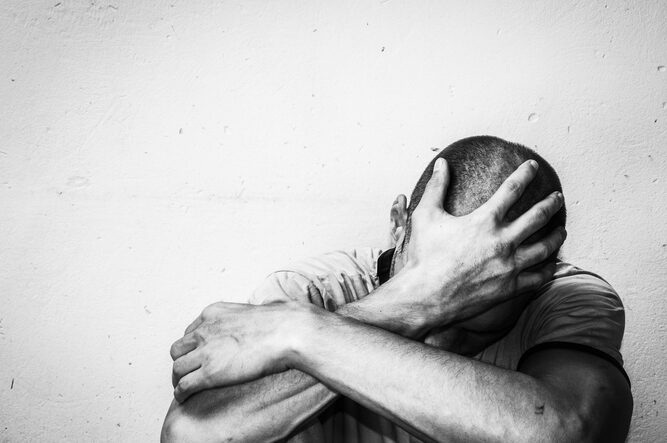
This is the conversation that NTV Uganda’s platform NTV Men has taken on directly, bringing in anthropologist and culture strategist Dr. Shamim Matovu to examine whether the traditional expectations placed on men are serving them or slowly destroying them. The answer, it turns out, is complicated and long overdue for a serious rethink.
The Difference Between Masculinity and Misogyny
These two words get tangled together more often than they should, and the confusion is doing real damage. Masculinity, at its core, is not the problem. A sense of identity, responsibility, and purpose is something every human being needs, regardless of gender. The issue arises when masculinity gets defined almost entirely by dominance, emotional suppression, and a rigid hierarchy that puts women and vulnerability at the bottom.
When a man is taught that being soft is the same as being weak, and that weakness is the ultimate failure, the line between traditional masculinity and misogyny becomes dangerously thin. Because a man who cannot accept vulnerability in himself rarely learns to accept it in others. He polices emotion in his relationships, dismisses his partner’s feelings, and raises children in the same suffocating silence he grew up in. The cycle feeds itself.
Dr. Matovu’s area of expertise, the intersection of culture and human behaviour, is exactly the right lens through which to examine this. Anthropology teaches us that gender norms are not biological inevitabilities. They are cultural constructs, shaped by history, economy, religion, and politics. Which means they can be shaped differently.
The Pressure to Always Appear Strong
Ask any man about the most exhausting part of his life, and a surprising number will describe not a job or a financial burden, but the performance of invincibility. The feeling that no matter what is happening internally, the external presentation must remain composed, capable, and unshakeable.
This pressure has real consequences. Men are statistically less likely to seek mental health support than women. They are more likely to turn to alcohol or other destructive coping mechanisms when things get difficult. In many parts of the world, male suicide rates are significantly higher than female suicide rates, a pattern that mental health researchers consistently link to the stigma around male emotional expression.
The instruction to “man up” is one of the most casually brutal phrases in the cultural lexicon. It tells a boy, and later a man, that his pain is an inconvenience, that his feelings are a weakness to be managed rather than a signal worth paying attention to. Over years and decades, that kind of emotional suppression does not make men stronger. It makes them brittle.
Redefining Core Responsibilities
Part of what makes this conversation so thorny is that many men genuinely find meaning in traditional roles. Providing for a family, being a reliable partner, showing up physically and financially when it counts, these are not inherently harmful aspirations. The problem is when those roles become the only acceptable measure of a man’s worth.
When a man loses his job, gets sick, or simply needs support, a system that values him exclusively for what he produces leaves him with nothing. No framework for asking for help. No vocabulary for describing what he feels. No community that will receive him without judgment. That is not strength. That is isolation dressed up as independence.
Redefining what men owe themselves and each other does not mean dismantling responsibility. It means expanding it to include emotional honesty, genuine partnership, and the radical act of admitting when something is hard.
Why Vulnerability Is Not the Enemy
There is a growing body of psychological research suggesting that emotional openness is not just good for mental health, it is good for relationships, parenting, and even professional performance. Leaders who can acknowledge uncertainty build more trust than those who perform false confidence. Fathers who show their children that emotions are manageable and discussable raise more emotionally intelligent kids. Partners who can say “I am struggling” create space for real intimacy rather than the careful performance of togetherness.
None of this is about telling men to abandon who they are. It is about giving them more options than the narrow, exhausting script they inherited. A man who can be strong and emotionally present is not a contradiction. He is simply a fuller human being.
Culture as Both the Problem and the Solution
Dr. Matovu’s work as a culture strategist points to something important: if culture built the cage, culture can also open the door. The same social systems that taught men to suppress emotion can be redirected, through media, education, community conversations, and platforms exactly like NTV Men, to model something different.
This does not happen overnight. Cultural change moves slowly, and it almost always meets resistance from those who benefited from the old arrangement or who genuinely believe the old arrangement is the right one. But it does happen. The fact that conversations like this one are being broadcast, discussed, and taken seriously is itself a shift from even a decade ago.
The question worth sitting with is not whether traditional masculinity is good or bad in the abstract. The real question is simpler and more personal. Is the version of manhood you were handed actually working for you? And if not, what would you build in its place?