

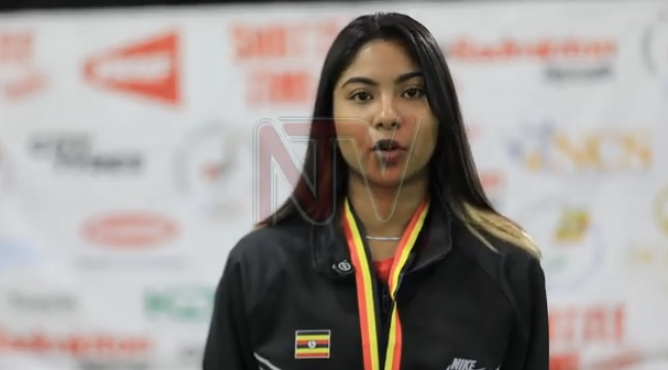
They didn’t take the gold, but they took something arguably more meaningful: the moment. On the final evening of the Kampala International Future Series 2026, Muzafaru Lubega and Gladys Mbabazi walked off the court at the Lugogo Indoor Arena with silver medals around their necks and the warm approval of a crowd that had watched Uganda’s singles hopefuls stumble earlier in the tournament. As finales go, it was exactly the kind of redemption arc a sport-loving nation needed.
A Tournament That Tested Uganda’s Depth
The Kampala International Future Series is not just a domestic showcase. It sits within the Badminton World Federation’s broader international calendar structure and attracts regional and continental competition, giving local players a genuine measuring stick against their peers. For Uganda, the 2026 edition started with ambitions that the singles draws, by most accounts, didn’t fully deliver on. Several of the country’s more recognisable names in the singles categories found themselves exiting earlier than expected, leaving the doubles events to carry the weight of national expectation.
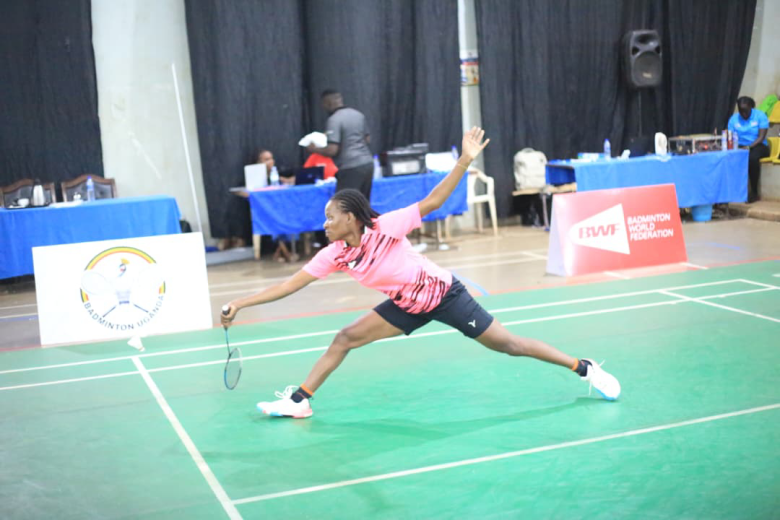
It’s a scenario that badminton followers across the continent will recognise. Singles glory tends to hog the headlines, but doubles badminton, particularly mixed doubles, is its own demanding discipline. It requires not just individual talent but something harder to manufacture: chemistry. The way two players read each other’s movements, cover each other’s blind spots, and communicate under pressure without a word exchanged is as close to a sporting art form as the sport produces.
What Lubega and Mbabazi Got Right
Muzafaru Lubega and Gladys Mbabazi, competing as a mixed doubles pair, reached the final of their category and claimed the silver medal after finishing as runners-up. That result, on home soil, in front of a Kampala crowd, is the kind of performance that builds careers and reputations. For both players, it represents evidence that Uganda has genuine competitive quality to offer at the Future Series level, not just participation but a real presence in the latter stages of a tournament.
Mixed doubles is arguably the most tactically complex format in badminton. The female player traditionally holds the front court while the male partner covers the rear, but modern pairs have increasingly moved toward a more fluid approach where both players rotate and adapt depending on the rally’s rhythm. A silver medal finish in such a category is not an accident. It requires stamina across multiple rounds, tactical sharpness, and the mental fortitude to keep performing when the pressure of a final setting arrives.
The Lugogo Indoor Arena as a Stage
There’s something fitting about a Uganda badminton story taking place at the Lugogo Indoor Arena. The venue has become one of East Africa’s more reliable indoor sports facilities, hosting everything from basketball to volleyball and, increasingly, badminton events with international credentials. It offers the kind of controlled environment, consistent lighting and a proper indoor court surface, that serious tournament badminton demands. Hosting a BWF-affiliated Future Series event at Lugogo is a signal that Uganda’s sporting infrastructure, while still growing, is capable of presenting the sport properly.
For the spectators who filled the arena on the closing evening, the atmosphere would have had a particular electricity. Home crowd energy in sport is never just background noise. It’s a variable that genuinely shifts how athletes perform, and for Lubega and Mbabazi, playing their final match in front of a supportive Kampala audience would have been as much a responsibility as a privilege.
Uganda Badminton: The Bigger Picture
Uganda has been quietly building its badminton profile over the past several years. The Badminton Uganda federation has worked to grow grassroots participation while simultaneously pushing competitive players toward the international circuit. Future Series events, which sit below the more prestigious Super Series and Grand Prix levels in the BWF hierarchy, are precisely the right platform for emerging players to accumulate ranking points and international experience without being immediately thrown into the deep end against the world’s elite.
A silver medal at this level is not a small thing. Every point on the BWF world ranking system matters when national federations are trying to build a case for greater recognition, better seedings, and stronger funding. Lubega and Mbabazi’s runners-up finish adds to that collective effort, even if it will sit quietly in the statistics rather than dominating the sports pages for weeks.
What the result also does is provide a counternarrative to the disappointment in the singles draws. Sport rarely delivers a clean story. Tournaments almost always produce a mixture of highs and lows, of expectations met and expectations missed. The 2026 Kampala International Future Series gave Uganda exactly that kind of complicated, honest sporting portrait, with a silver medal finish providing the grace note that the evening, and the week, needed.
What Comes Next
For Lubega and Mbabazi, the focus now shifts to whatever is next on the international calendar. Future Series events run throughout the year across various African and global locations, and a strong showing in Kampala will ideally translate into momentum for the rounds ahead. For Ugandan badminton as a whole, the conversation should now turn to how the singles players regroup, what tactical adjustments are needed, and how the federation can use the visibility of a home tournament to attract the next generation of players to the sport.
Badminton remains one of the most accessible racket sports in terms of the basic equipment needed to start, yet it demands extraordinary athleticism and precision at the competitive level. Uganda has the talent. The 2026 Future Series, for all its mixed results in the singles, proved that the doubles partnership of Lubega and Mbabazi belongs on that international stage.
The silver medal is on the mantelpiece. The question now is simple: what will it take for Uganda’s badminton players to return to Lugogo, or any international venue, and upgrade it to gold?