


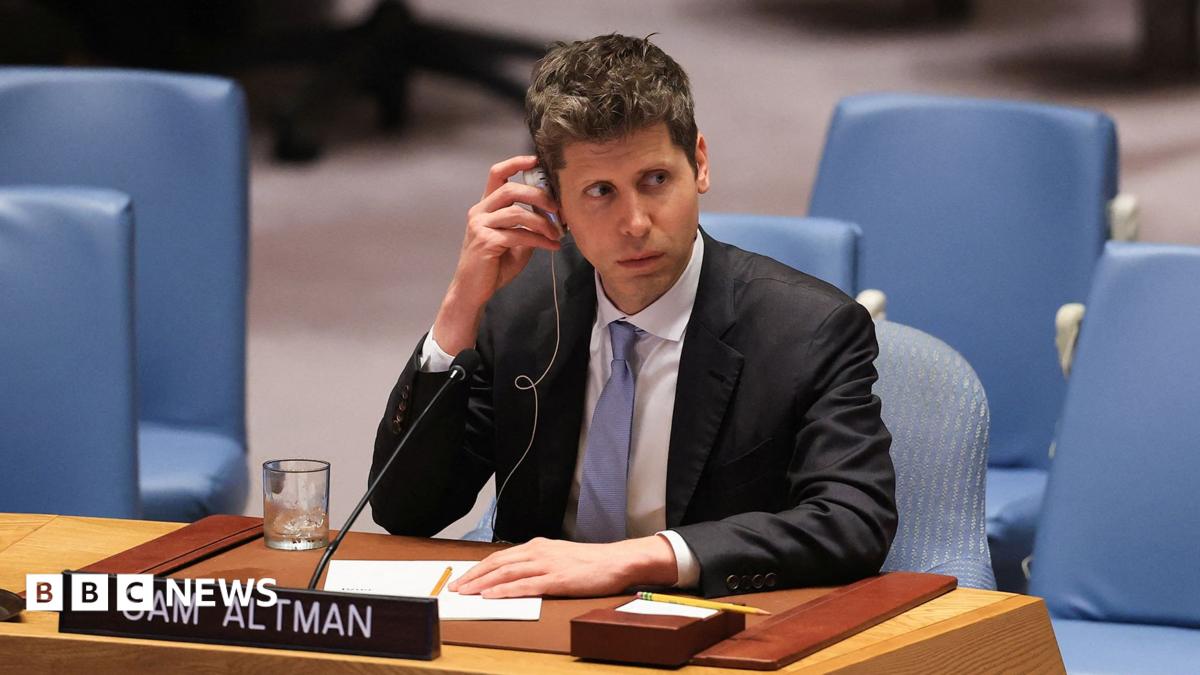




What began as a quarrel between two prominent Ugandan families has grown into something with far sharper edges. Rwanda’s government stepped forward this week to distance itself from social-media posts by Uganda’s Chief of Defence Forces, Gen Muhoozi Kainerugaba, after his use of ethnic labels tied to Hutu and Tutsi identities drew swift and uncomfortable attention across the region.
The Post That Crossed a Line
The dispute centres on a widening rift between Muhoozi and his brother-in-law Odrek Rwabwogo, a senior figure connected to Uganda’s Presidential Advisory Committee on Exports and Industrial Development, known as PACEID. The quarrel, which has played out in increasingly raw terms on social media, took a turn that alarmed observers when Muhoozi questioned Rwabwogo’s ethnic identity in a public post.
“I doubt that Odrek is a Muhima. He doesn’t behave like one. He might be a Muhutu,” Muhoozi wrote online, deploying an ethnic classification as what appeared to be an insult. In a separate post, he described Rwandan President Paul Kagame as “the most dangerous Mututsi I have ever met,” then added the pointed phrase: “When he laughs a lot know that you are already dead.”
Those words, read together, were not simply an expression of regional rivalry. They carried the kind of ethnic vocabulary that Rwanda has spent more than thirty years working to move past, following the 1994 Genocide against the Tutsi, in which an estimated 800,000 people were killed in roughly one hundred days.
Kigali Responds With Clarity
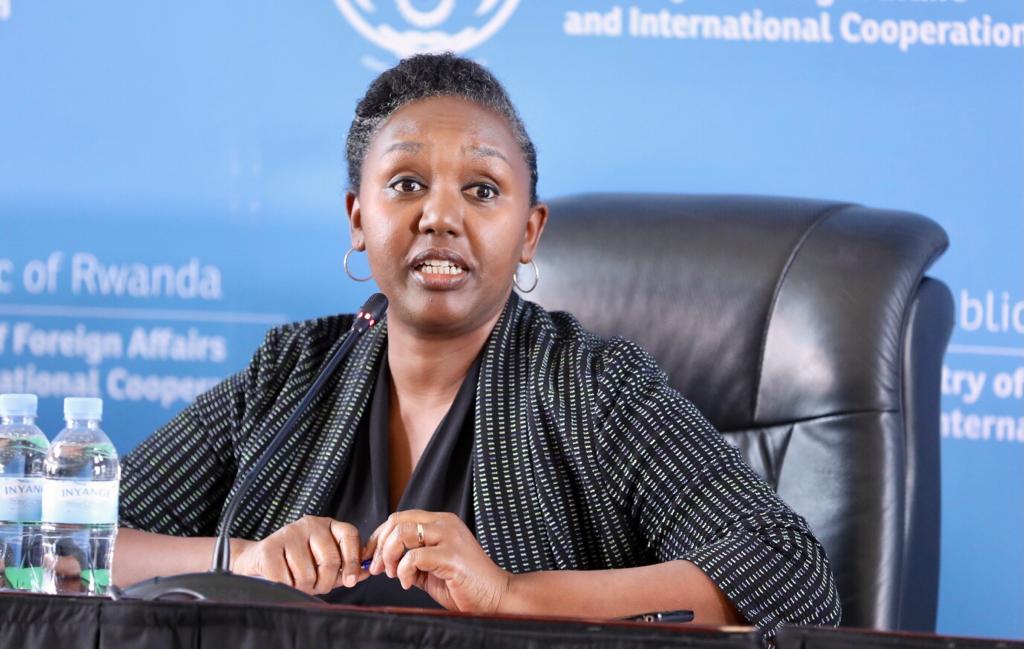
Rwanda’s government spokesperson Yolande Makolo addressed the matter directly, responding on X to lawyer Ivan Mwijukye, a close associate of Rwabwogo who had already raised public questions about Muhoozi’s language. As reported by Chimpreports, Makolo said Kigali had no intention of being drawn into a Ugandan family argument, but could not stay silent on the ethnic framing.
“We saw that post and the questions it raised, and we do not agree with the ethnic extremism expressed,” Makolo said. She went further: “One can have their opinion about Rwanda, but they should not misrepresent Rwandans or associate us with that kind of thinking. If the post was about Uganda, it should be kept Ugandan and not drag us into it.”
The statement was measured, but its content was not. Rwanda rarely issues public rebukes of neighbouring heads of state or senior military officials. The fact that it felt compelled to respond at all signals how seriously Kigali read the situation.
Why the Language Matters So Much
Mwijukye framed his concerns in pointed terms. He questioned why Muhoozi would invoke Hutu identity at all in the context of a Ugandan political disagreement, and asked whether reducing a family dispute to Rwandan ethnic categories was compatible with the Pan-African political image that Muhoozi has cultivated through his Patriotic League of Uganda.
“Why invoke ‘Muhutu’ at all?” Mwijukye asked publicly. “Why reduce a Ugandan family and political disagreement to a Rwandan ethnic identity?”
The questions are not rhetorical. After 1994, Rwanda legally restricted the use of ethnically divisive language. Labelling someone Hutu or Tutsi as a form of political diminishment is precisely the kind of discourse that Rwandan law and social policy have tried to dismantle. To have such language appear in the social-media posts of a neighbouring country’s military chief, attached to commentary about Kagame himself, was never going to pass without notice.
A Family Feud With Regional Consequences
The underlying story is, at its core, a dispute about power and proximity to it. Muhoozi holds the country’s highest military position and chairs the Patriotic League of Uganda, a political organisation widely seen as a vehicle for his own ambitions. Rwabwogo, his brother-in-law, has operated within Uganda’s export and development advisory structures. The two men’s public falling-out over PACEID has exposed fault lines within Uganda’s ruling establishment that were presumably meant to stay private.
But social media does not observe those courtesies. Every post Muhoozi publishes reaches an international audience, and the ethnic language he chose carried meaning that transcended any domestic context. The Hutu-Tutsi divide is not a neutral historical footnote in this region. It is the backdrop to one of the twentieth century’s most devastating mass atrocities, and its casual use as a put-down by a senior military figure is the kind of thing that gets noticed in foreign ministries.
The Bigger Picture for East African Relations
Uganda and Rwanda have had their own complicated history, including periods of deep tension that at times spilled into proxy conflicts in the Democratic Republic of Congo. Relations have improved in recent years, but the relationship between Kampala and Kigali remains one that requires careful management at the diplomatic level. Rwanda’s decision to respond publicly rather than through back channels suggests that Kigali judged the posts serious enough to warrant an on-the-record statement.
Muhoozi’s remarks about Kagame, specifically the suggestion that the Rwandan leader’s laughter should be read as a warning of lethal intent, are the kind of language that diplomats spend considerable energy trying to prevent. Whether intended as dark humour or genuine commentary, such words between senior officials of neighbouring states have a way of outlasting the moment in which they were written.
For observers of East African politics, this episode is a reminder of how quickly a domestic argument, once it finds a social-media platform, can acquire diplomatic weight. The question now is whether Uganda’s leadership will address the remarks formally, or whether Muhoozi’s posts will simply be allowed to recede into the archive of online controversies. Either way, Rwanda has made its position clear.
Should senior military officials face formal consequences when their personal social-media activity risks inflaming ethnic tensions and straining relations between neighbouring states? Share your thoughts below.