









Super League rugby is crossing the Irish Sea in style. St Helens and Hull FC have officially confirmed they will face each other in Dublin on Sunday, April 25, 2027, forming the second half of a landmark double-header weekend that will mark the first time top-flight rugby league has ever been played on Irish soil.

A Weekend That Changes Everything
The announcement was made by St Helens chairman Eamonn McManus ahead of Thursday evening’s meeting between the two clubs at the BrewDog Stadium. Speaking to Sky Sports, McManus confirmed that a formal partnership between the two clubs is now signed and sealed, with the Dublin fixture pencilled in as the Sunday centrepiece of what organisers hope will become a recurring fixture on the rugby league calendar.
The Saturday slot belongs to Warrington Wolves and Wigan Warriors, who will meet in what will be the first ever Super League game played in the Republic of Ireland. That fixture alone carries enormous weight. Add Saints versus Hull the following day, and suddenly Dublin is hosting a proper rugby league festival, not just a one-off novelty.
According to BBC Sport’s coverage of the confirmation, McManus said discussions with all four clubs had been underway for some time before the formal agreement was reached, reflecting just how much groundwork has gone into making this weekend a reality.
Hull FC’s Chairman Sets the Tone
Hull FC chairman Andrew Thirkell was quick to frame this as more than just a relocated league game. In his statement, he pointed to the tradition among rugby league supporters of turning away fixtures into social occasions, and argued that Dublin is perfectly placed to host exactly that kind of extended trip.
“Dublin provides the perfect destination for what we hope will become a fantastic rugby league weekend,” Thirkell said, and it’s hard to argue with that logic. The Irish capital has built a formidable reputation as one of Europe’s most welcoming sports cities, drawing fans from across Britain and beyond for everything from boxing to American football.
Thirkell also spoke about the collective ambition shared by all four clubs involved, describing the event as something he believes will be “a tremendous spectacle both on and off the field.” That phrasing matters. It signals that the clubs aren’t simply exporting a game; they’re trying to build an experience around it.
The Venue: Laya Arena Steps Into the Spotlight
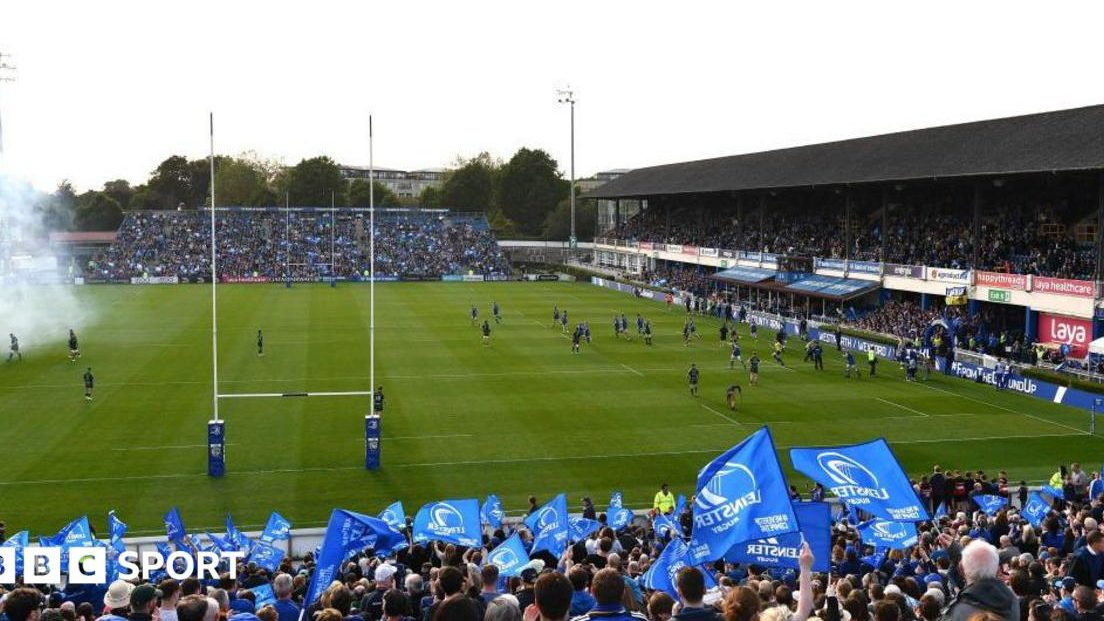
The games are set to be held at the Laya Arena, a venue formerly known as the RDS Arena, which reopened earlier this month following a significant refurbishment. The timing could not be more convenient. A freshly upgraded stadium in one of Europe’s most vibrant cities gives the event an instant credibility boost, pairing sporting ambition with a world-class setting.
The RDS has long been associated with Irish rugby union, which makes the arrival of rugby league there a quietly significant cultural moment. Super League arriving at a venue steeped in oval-ball tradition sends a clear message about the sport’s appetite for growth and its confidence in finding new audiences.
Why This Matters Beyond the Score Line
The broader significance of this double-header sits beyond the ninety minutes on the pitch. Rugby league has historically struggled to push its boundaries beyond its Northern English heartlands. Occasional trips to London, a handful of Magic Weekend events in Newcastle or Edinburgh, and some international fixtures have tested the sport’s wider appeal, but a full weekend in Dublin represents a different kind of ambition.
Ireland has a rugby culture built almost entirely around the union code, yet there is a growing curiosity about league, particularly among younger fans attracted by the sport’s pace and directness. A double-header featuring four of Super League’s most recognisable clubs gives that curiosity a proper outlet. Warrington and Wigan are two of the competition’s best-supported sides. St Helens bring a recent dynasty built on sustained excellence. Hull FC carry one of the sport’s most passionate fanbases.
The combination is not accidental. These are clubs with the pulling power to sell tickets well beyond their traditional catchment areas, and their supporters are precisely the kind of travellers who will book a full weekend in Dublin rather than a day trip.
A Date for the Diary
April 25, 2027 is still the best part of a year away at the time of writing, but the rugby league world has been given plenty of notice to plan. That lead time is itself telling. The clubs and the sport’s organisers clearly want this to be done properly, not rushed. Travel packages, fan events, pre-match activities, there is time to build something genuinely memorable around these two fixtures.
For neutral observers, the prospect of a Super League weekend in Dublin is the kind of bold move the sport needed. It signals confidence, ambition, and a willingness to take calculated risks in pursuit of a bigger audience. Whether it becomes an annual tradition or a one-off milestone will depend largely on how the first edition lands.
One thing is certain: when St Helens and Hull FC run out at the Laya Arena on that April Sunday, they will be writing a new chapter in rugby league history. The question now is whether Dublin’s sports fans will show up in numbers large enough to demand a sequel.
Will this Dublin double-header be the spark that finally gives rugby league a permanent foothold outside its traditional borders, or will it remain a celebrated but solitary occasion? Tell us what you think in the comments below.