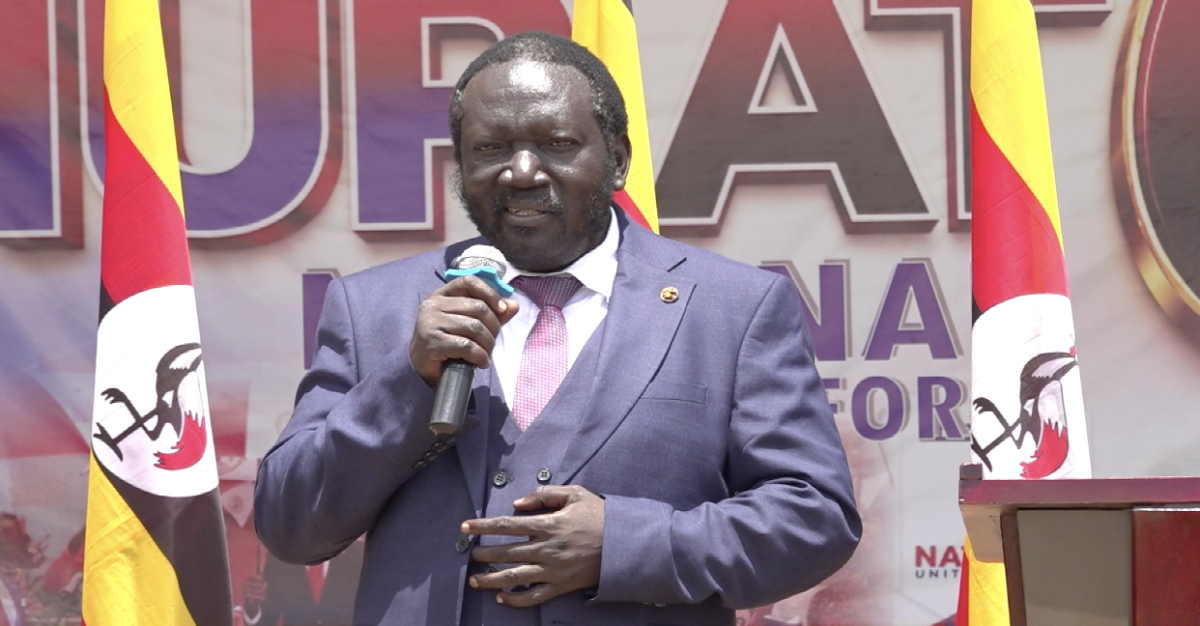
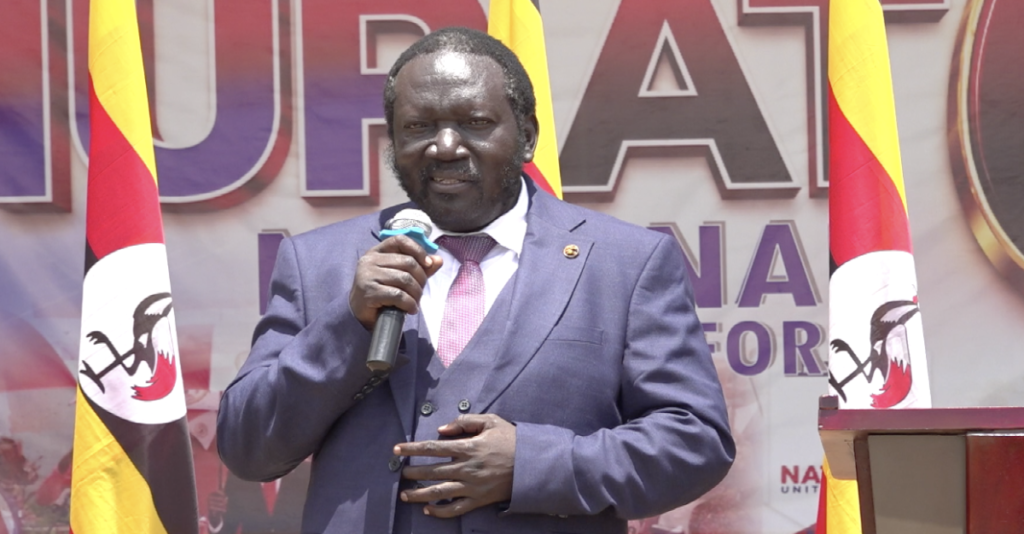
Senior figures within Uganda’s National Unity Platform have publicly thrown their support behind Olara Otunnu as a candidate for the position of United Nations Secretary-General, declaring that his long and consistent record of fighting for human rights and equality makes him ideally suited for the world’s most prominent diplomatic post. The endorsement, reported by NTV Uganda, signals that the opposition party sees Otunnu not merely as a Ugandan public figure but as a candidate who could carry real moral weight on the global stage.
Why NUP Is Backing Otunnu
The party’s senior members have been unequivocal. They say Otunnu has spent years championing equality and the protection of human dignity, and that if he were to occupy the Secretary-General’s chair, the entire world would stand to benefit from his experience and his principles. It is a strong statement, and it carries with it an implicit message: Uganda has produced a man of international stature, even if his own country has not always honored that stature.
There is something layered about the endorsement. NUP is a party that has operated under considerable political pressure inside Uganda, and its leaders are not strangers to the consequences of speaking truth to power. Their enthusiasm for Otunnu’s candidacy is rooted in genuine respect for what he represents: a voice for those who are too often ignored by the structures of power, whether those structures are national governments or multilateral institutions.
Otunnu himself is contesting the position alongside four other candidates, and while the race is competitive, he has reportedly not stepped back from his bid. His continued participation signals a seriousness of purpose that NUP members clearly admire and believe the world should recognize.
A Sharp Look Inward
Here is where the story gets more complex, and frankly more interesting. NUP’s endorsement was not simply a warm pat on the back for a compatriot seeking global office. The party used the moment to call out what it described as serious injustices and human rights violations occurring within Uganda’s borders right now. The message, stripped of diplomatic softening, is this: we believe Otunnu is qualified to lead the world’s foremost institution dedicated to human rights precisely because those rights are being violated in his home country, and he understands what that costs real people.
It is a pointed juxtaposition. On one hand, a Ugandan candidate being championed as a global guardian of human dignity. On the other, a party within that same Uganda documenting and protesting the very abuses that global institutions like the UN are supposed to prevent. The irony is not lost on observers, and it is unlikely to be lost on the international community either.
What the UN Secretary-General Role Actually Demands
The position of UN Secretary-General is arguably one of the most demanding and, in some ways, most constrained jobs in international affairs. The Secretary-General must navigate the competing interests of 193 member states, broker conversations between governments that often despise each other, and keep the institution’s moral credibility intact even when major powers are actively undermining it. It requires an almost unusual combination of diplomatic patience and moral clarity.
NUP’s argument is that Otunnu’s background in human rights advocacy has given him exactly that combination. A person who has spent their career documenting violations, pushing back against impunity, and insisting that the rule of law means something does not arrive at that role as an idealistic newcomer. They arrive as someone who already knows how resistant power can be to accountability, and who has chosen to keep pushing anyway.
Whether that argument will be persuasive to the member states and Security Council members who ultimately determine who holds the position is another question entirely. The selection process for Secretary-General is famously opaque and deeply political, with permanent Security Council members wielding enormous influence over the outcome. Moral credentials matter, but they do not vote.
The Broader Signal for Uganda
Beyond the specifics of one candidacy, this moment carries significance for how Uganda is perceived and how Ugandan political actors position themselves on the international stage. NUP, by backing Otunnu and simultaneously flagging domestic human rights concerns, is doing something strategic. It is connecting Uganda’s internal political struggles to a global conversation, and it is doing so through the lens of a candidate who has spent years being taken seriously by international institutions.
For ordinary Ugandans watching this unfold, the endorsement may feel like a rare moment when the country’s global potential and its internal realities are being discussed in the same breath and by the same voices. That is worth paying attention to, regardless of how the UN selection ultimately plays out.
Otunnu is still in the race, still making his case, and still, according to his supporters, the kind of candidate the United Nations needs more than it currently knows. Whether the world agrees is the question that will define the months ahead.
As the debate around who should lead the United Nations into its next chapter continues, what do you think matters more in a Secretary-General: a reputation built inside international institutions, or a record forged in the harder school of fighting for justice on the ground?