






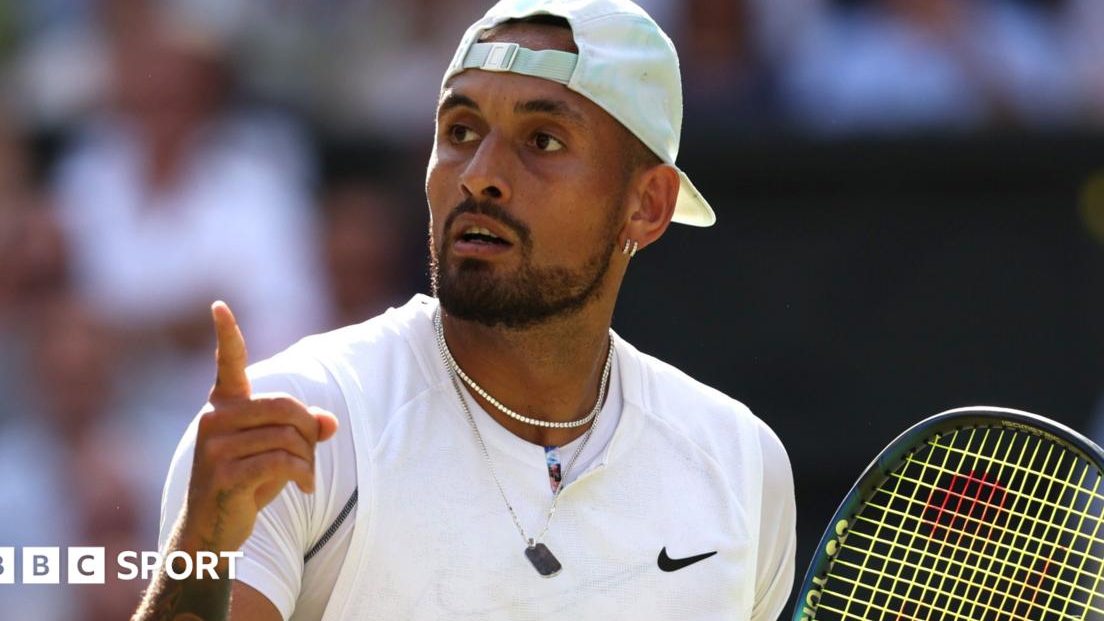
Nick Kyrgios, one of tennis’s most talented and turbulent personalities, is staring down the possibility of a career-ending ban after returning a positive test for a cocaine metabolite at June’s Mallorca Open. The 31-year-old Australian, who holds seven ATP Tour singles titles, now faces a suspension of up to four years pending a formal hearing before an independent tribunal. In the meantime, a mandatory provisional suspension means he cannot set foot on a professional court.
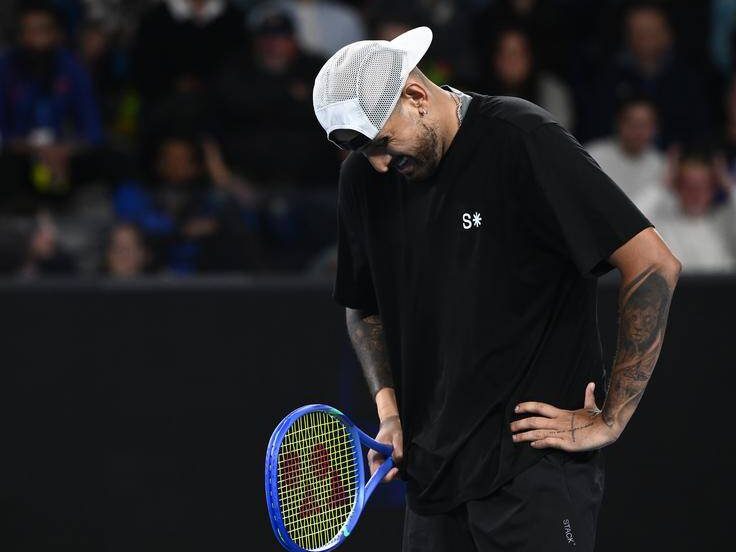
A Comeback That Took a Devastating Turn
For anyone who has followed Kyrgios over the years, the timing is heartbreaking in its irony. He was, by his own earlier admission, never supposed to be playing this long. Years ago, he stated publicly that there was “zero chance” of him still competing in tennis once he hit his 30s. Then came the injuries, the recoveries, and the stubborn, unmistakable pull of a sport he could never fully walk away from.
Since the start of 2023, Kyrgios has managed to play in only eight tournaments and has won just two matches. Serious knee and wrist injuries have stripped away much of the playing time that a player of his calibre deserved. His latest return to the tour at Mallorca was supposed to be another chapter in a comeback story. Instead, it became the moment that could write the final page.
According to BBC Sport’s coverage of the story, Kyrgios addressed the positive test directly on social media, calling it a “huge mistake” and accepting full responsibility for what happened. That level of accountability is rare and, for many fans, speaks to a side of Kyrgios that often gets buried beneath the headlines about racket smashes and on-court controversies.
His Own Words Carry the Weight
What made his social media statement particularly striking was not the admission itself, but the vulnerability beneath it. Kyrgios wrote that coming to terms with being near the end of his career has been harder than he ever imagined. For a man who once wore indifference to his sport like armour, that confession lands differently. It suggests that beneath the bravado and the theatrics, there was always someone who cared deeply, perhaps too deeply, about what tennis meant to him.
The injuries have clearly taken more than a physical toll. Being sidelined repeatedly, watching peers compete while your body refuses to cooperate, wears on even the most mentally resilient athletes. Kyrgios has never been shy about discussing his mental health struggles, and his latest statement suggests those struggles have not eased in the wake of his injury troubles.
What the Rules Say and What They Mean
Under anti-doping regulations, a first-time violation involving a substance like cocaine can result in a ban of up to four years, though the exact length depends on circumstances the tribunal will examine. Mitigating factors, including the context in which the substance was used and whether it was related to performance enhancement, can influence the final ruling. Cocaine is not a performance-enhancing drug in the traditional sense, which may work in Kyrgios’s favour when the case is heard.
That said, the provisional suspension alone is damaging. At 31, with a body already compromised by serious injury, every month away from competitive tennis chips away at whatever runway he has left. A four-year ban would effectively end his career outright. Even a shorter suspension, say one or two years, would return him to the tour at 32 or 33 with a body that has already struggled to stay fit through his late 20s.
The Legacy Conversation Starts Now
Regardless of how the tribunal rules, Kyrgios’s place in tennis history is secure in certain respects. Seven ATP Tour singles titles, deep runs at Grand Slam events, and a doubles partnership with Thanasi Kokkinakis that captured the 2022 Australian Open men’s doubles title are all part of a career that produced genuine highlights.
But there will always be the lingering sense of what might have been. Kyrgios, at his best, played a brand of tennis so electric and unpredictable that it made the sport must-watch television. His serve was a weapon of genuine world-class quality, and his shot-making ability was the kind that coaches spend careers trying to teach players who will never quite replicate it naturally.
The tragedy, if that is what this turns out to be, is not just personal. Tennis loses something when a player like Kyrgios cannot compete. The sport is better, louder, and more interesting when he is on the court. That might be an uncomfortable truth for some corners of the tennis establishment, but it is true nonetheless.
What Comes Next
The independent tribunal process will take time, and until a ruling is handed down, Kyrgios remains in a holding pattern. He cannot play, he cannot earn ranking points, and his future in the sport hangs entirely on a legal and regulatory process he cannot control. What he can control is how he uses this period and how he shows up when it is over, if it is over in a way that leaves a door open.
Tennis has seen players return from significant bans before. It has also seen careers quietly dissolve once the momentum and the body both give out at the same time. Which of those paths Kyrgios ends up on remains to be seen.
For now, a player who once dazzled Wimbledon crowds, traded verbal volleys with the tennis world as freely as he traded groundstrokes, and reminded everyone watching that sport at its best is unpredictable and human, is waiting. And so is everyone who ever appreciated what he brought to the game.
If Nick Kyrgios does play competitive tennis again, what would it take for his comeback to feel complete, and is there any outcome from this tribunal that truly gives him that chance?