


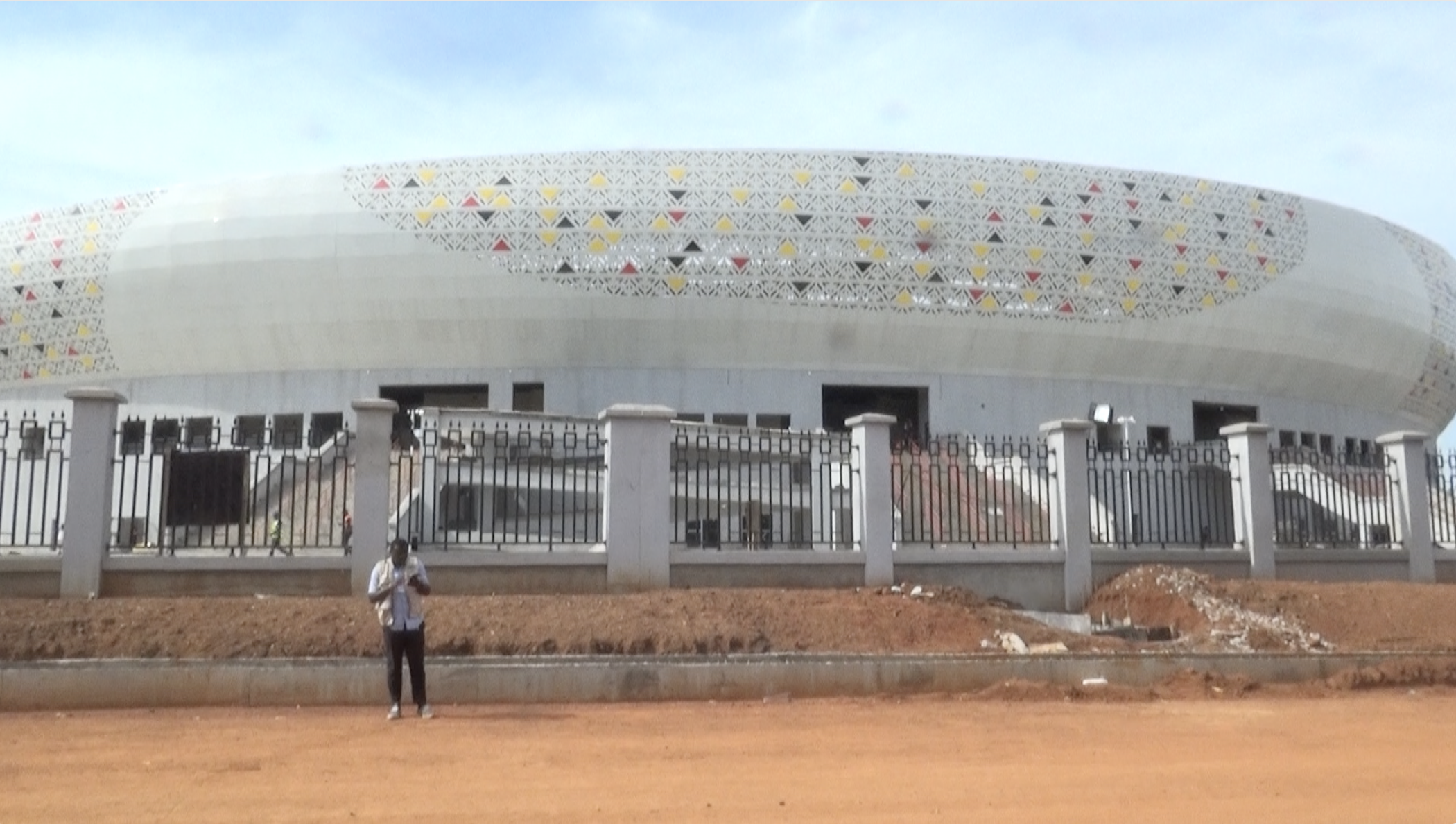
A delegation of Ugandan lawmakers landed in Lira this week with hard hats on their minds and questions ready to go. Members of Parliament sitting on the Education Committee, led by Nebbi Municipality MP Emmanuel Ongiertho, paid a formal visit to Akii Bua Stadium to get a first-hand look at how construction is progressing at one of the country’s most talked-about sporting facilities.
What makes this visit particularly striking is the context surrounding it. Akii Bua Stadium is not among the venues officially earmarked under the Pamoja 2027 AFCON host plan, yet here were elected officials, making the trip north anyway. That alone tells you something important about how this stadium is being perceived beyond the official paperwork.
A Stadium That Refuses to Stay Quiet
Named after Uganda’s legendary Olympic gold medallist John Akii-Bua, the stadium carries a symbolic weight that goes beyond bricks and mortar. Akii-Bua remains one of the most celebrated athletes in East African history, winning the 400 metres hurdles at the 1972 Munich Olympics in world record time. A national stadium bearing his name in his home region of northern Uganda is not just an infrastructure project. It is a statement of cultural pride and regional identity.
That history gives the facility a kind of gravitational pull that bureaucratic lists alone cannot override. Even without AFCON designation, stakeholders from across the political and sporting spectrum continue to watch the construction timeline very closely. Parliamentary interest, in this case, is both a sign of accountability at work and a signal that Lira’s residents are not prepared to see their stadium fall through the cracks of competing national priorities.
What the Parliamentary Visit Actually Means
When a committee of MPs takes time away from Kampala to physically inspect a project, it usually means one of two things: either the project is moving smoothly and they want to celebrate it, or there are concerns about pace, funding, or execution that need answering in person. Parliamentary oversight of public construction projects is a cornerstone of fiscal responsibility, and a stadium of this profile certainly qualifies for that level of scrutiny.
The Education Committee’s involvement is worth noting too. At first glance, a sports stadium might seem like territory for a committee focused on learning and schools. But in Uganda, as in many African countries, sports infrastructure and education are closely linked. School sports programmes, youth development pathways, and physical education all feed into the same national conversation about how a country invests in its young people. A properly functioning, world-class stadium in northern Uganda could serve communities and schools in the region for generations.
The AFCON 2027 Shadow
Uganda is co-hosting the Africa Cup of Nations in 2027 alongside Kenya and Tanzania, a tournament that has injected fresh urgency into the country’s infrastructure ambitions. The pressure to have venues ready, roads functional, hotels stocked, and facilities gleaming by the time continental football descends on East Africa is very real. Construction timelines that might have been treated casually in a quieter period are now getting sharp attention from everyone, lawmakers included.
Akii Bua Stadium sits in an interesting position within that conversation. Not being on the official AFCON venue list could theoretically mean less central government pressure and fewer resources directed its way. But it could equally mean the facility gets to develop at a more considered pace, without the frenzied, sometimes corner-cutting rush that deadline-driven mega-projects can attract. Whether that is a blessing or a missed opportunity depends entirely on how seriously the relevant authorities treat the project going forward.
Northern Uganda’s Infrastructure Moment
For residents of Lira and the broader northern Uganda region, this stadium represents something larger than sport. The north has historically lagged behind Kampala and central Uganda in terms of public investment, a disparity rooted in decades of conflict and uneven development spending. A modern, fully operational sports facility in Lira would be a concrete signal that the region is being taken seriously as part of Uganda’s national growth story.
The parliamentary visit, whatever its specific findings, at least confirms that the project has not slipped off anyone’s radar. Lawmakers from the capital making the journey to Lira sends a message to local communities that their facility is being watched, tracked, and held to account at a national level. That kind of visible accountability matters, especially in regions where public projects have sometimes stalled without explanation.
What Needs to Happen Next
A site visit is only as valuable as the action it produces. The real test for this parliamentary delegation will come in the weeks following their inspection. Will they publish findings? Will they raise concerns in the chamber? Will funding questions be asked and answered on the record? Uganda’s sporting infrastructure future, particularly in a pre-AFCON moment of genuine national ambition, needs parliamentarians who do more than show up for the photographs.
Akii Bua Stadium deserves to become a facility worthy of the name it carries. John Akii-Bua did not settle for second place on the Munich track in 1972, and the region that celebrates his legacy should not settle for a half-finished venue that never quite reaches its potential. The political attention being paid right now is an opportunity. How it is used will say a great deal about Uganda’s commitment to sports development beyond the headline venues and the tournament spotlights.
So here is the question worth sitting with: if a stadium not even on the official AFCON list is already drawing parliamentary delegations and national scrutiny, what does that tell us about the standard Uganda should be holding every single sports infrastructure project to, and are the right people asking that question loudly enough?