








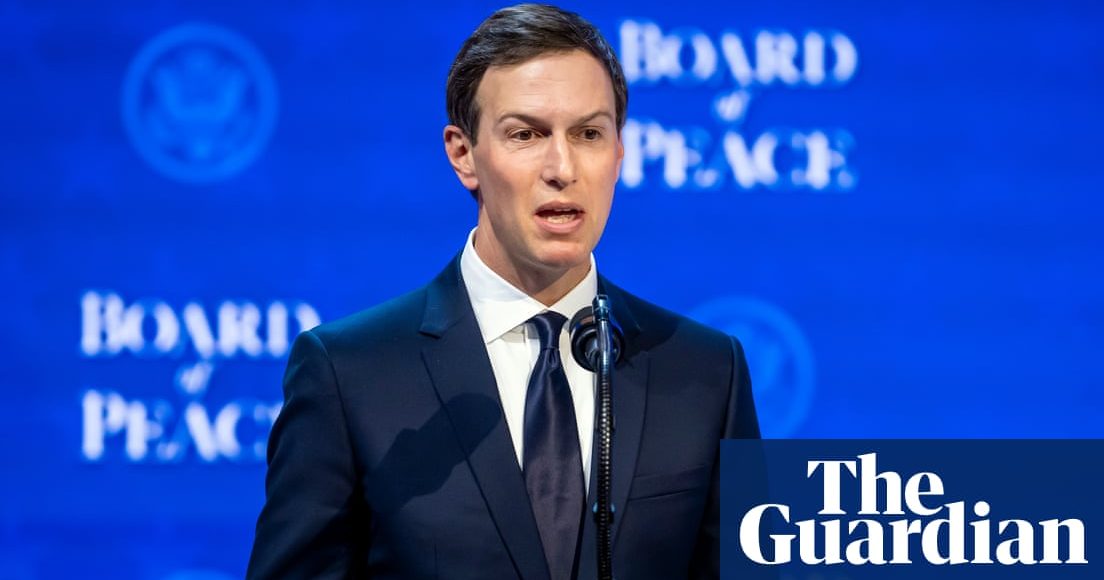
On Sunday, August 16, 2026, Jared Kushner, Donald Trump’s son-in-law and personal envoy, sat down with the political chief of Hamas in Egypt for a rare face-to-face meeting that few Western figures have managed to broker. The encounter, driven by a desperate need to revive a collapsing Gaza ceasefire effort, sets the stage for what could become one of the most consequential diplomatic sequences of the year.
A Meeting Nobody Saw Coming, And Why It Happened Now
Let’s be honest: a conversation between a senior Trump White House figure and Hamas leadership is not the kind of diplomatic appointment that gets pencilled into a standard calendar. Hamas has been designated a terrorist organisation by the United States, the European Union, and several other governments. Yet here we are, with Kushner walking into that meeting in Egypt, suggesting that Washington’s patience with traditional channels has worn very thin indeed.
The backdrop is a US-backed road map comprising 15 points that lays out a path for Hamas to disarm and for Israel to withdraw from the Palestinian territory it has devastated through more than two years of war. The plan sounded workable on paper, at least to those who drafted it. The problem is that Israeli Prime Minister Benjamin Netanyahu has rejected it, placing himself squarely at odds with the administration that has been among his closest allies.
According to reporting on the Kushner-Hamas encounter, the Monday follow-up meeting with Netanyahu is where the real pressure will land. Kushner arrives at that meeting not just as a family member with influence, but as someone who has spent the weekend in direct conversation with the other side. That context alone changes the dynamic considerably.
What the 15-Point Road Map Actually Proposes
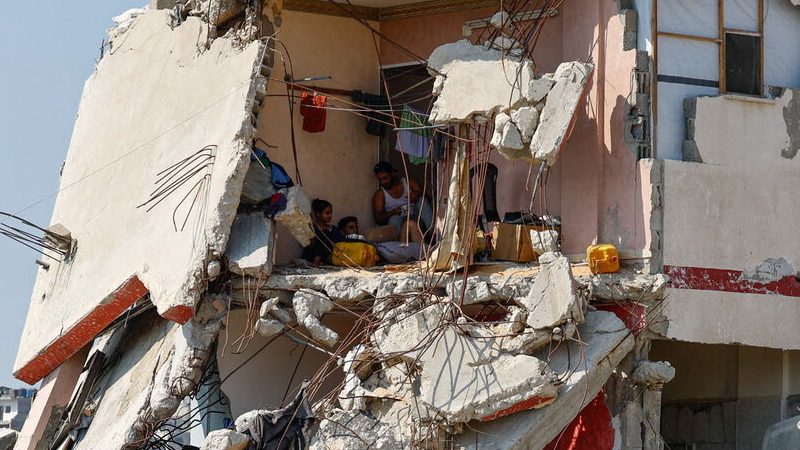
The US-backed plan asks Hamas to lay down its weapons, a demand that strikes at the organisation’s core identity and survival strategy. In exchange, Israel would pull its forces out of Gaza, a territory that has been ground into rubble over the course of this conflict. Neither concession is small, and neither side has shown particular enthusiasm for moving first.
For Hamas, disarming without a guaranteed Israeli withdrawal would be a gamble that ends their political and military relevance in one stroke. For Israel, withdrawing before Hamas disarms risks handing the group a narrative victory and leaving open the question of who governs Gaza once the guns go quiet. The road map tries to thread that needle, but the sequencing of trust between parties who have none is a puzzle that has defeated generations of diplomats far more experienced than Kushner.
Netanyahu’s Rejection and the Pressure Building Around Him
Netanyahu’s refusal to endorse the plan puts him in an uncomfortable position with Washington. The Israeli prime minister has long relied on American political cover, financial support, and military hardware. Publicly breaking with a US-backed ceasefire proposal, one that Trump’s own team crafted, is not a cost-free manoeuvre. The pressure building around him domestically is equally significant, with Israelis who want their hostages home adding their voices to a chorus demanding a deal.
By sending Kushner to Egypt first, the Trump administration appears to be building a case: if Hamas shows flexibility and Netanyahu still refuses, the political optics shift significantly. It is a classic negotiating move, constructing a paper trail that makes one party look like the obstacle.
Kushner’s Track Record in the Region
Kushner is not arriving in the Middle East as a blank slate. During Trump’s first term, he was the architect of the Abraham Accords, the normalisation agreements between Israel and several Arab states including the UAE and Bahrain. That achievement, whatever its long-term implications, demonstrated that Kushner operates outside conventional diplomatic orthodoxy. He moves fast, builds personal relationships with heads of state, and is willing to take meetings that career diplomats consider radioactive.
Critics have long argued that his approach lacks the institutional depth that sustained peace agreements require. Supporters counter that institutional depth produced decades of stalemate. The truth almost certainly lives somewhere in between, but in August 2026, with Gaza in ruins and a ceasefire road map collecting dust, the unconventional approach is at least generating movement.
Egypt’s Role as the Room Where It Happens
Egypt has quietly served as the essential back channel throughout this conflict. Cairo has hosted indirect talks, carried messages between parties, and maintained relationships with Hamas that Washington cannot officially hold. The fact that this meeting took place on Egyptian soil is not incidental. Egypt has enormous skin in this game: stability in Gaza directly affects its own border security, its economy, and its standing in the Arab world.
Egyptian officials have been pushing hard for a ceasefire deal for months. By hosting Kushner and facilitating his access to Hamas leadership, Cairo is effectively throwing its weight behind the US road map and signalling that it wants this process to succeed before the situation deteriorates further.
What Happens If the Road Map Fails Again
Gaza has already absorbed a staggering toll. The war has shattered infrastructure, displaced enormous portions of the population, and created a humanitarian crisis that organisations from the United Nations down to independent aid groups describe in terms of catastrophic scale. A failed ceasefire effort does not simply reset the clock to a neutral position. Every week the conflict continues, the conditions on the ground worsen and the political space for a compromise narrows.
If Kushner’s Egypt visit produces nothing, and if Netanyahu’s Monday meeting ends without any shift in Israel’s position, the road map effectively dies. What comes after that is genuinely unclear. A return to full-scale military operations, a breakdown in US-Israel relations, or perhaps a different framework entirely drafted by different parties. None of those outcomes look particularly hopeful from where the world stands today.
For now, the diplomatic world watches Cairo and Jerusalem with the particular kind of attention reserved for moments when history genuinely could tip either way. Kushner has sat with Hamas. He will next sit with Netanyahu. The question nobody can answer yet is whether any of those conversations will matter when the door closes and the decisions get made.
Do you think unconventional envoys like Kushner can succeed where career diplomats have stalled, or does lasting peace in Gaza require a fundamentally different approach altogether? Share your thoughts below.