



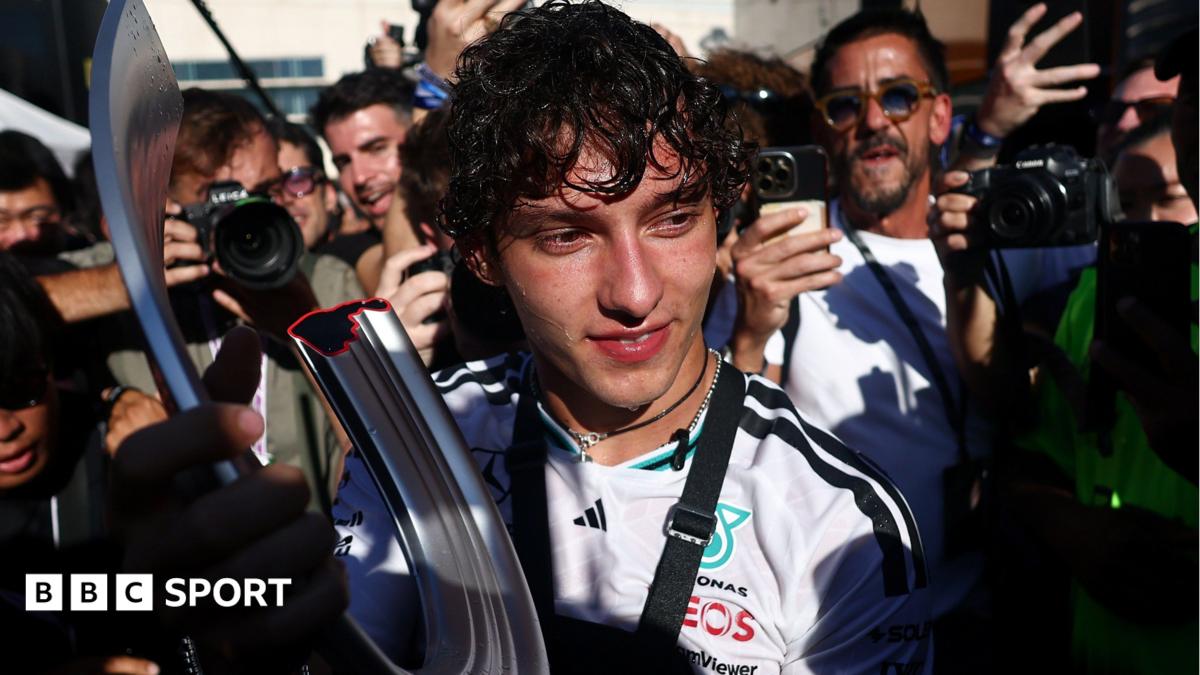
There is a particular kind of pressure that arrives when you are young, gifted, and handed the keys to one of the most demanding careers on the planet. Kimi Antonelli knows this pressure intimately. As the current Formula 1 championship leader heading into the final stretch of the 2026 season, Antonelli has become one of the sport’s most closely watched figures. Yet in a candid conversation with BBC Sport, the Italian prodigy revealed something that separates the genuinely great from the merely talented: the ability to sit with failure, learn from it, and come out a different person on the other side.
The Crash That Changed Everything
Ask Antonelli about the pivotal moment in his young career and he does not point to a podium finish or a pole position lap. He points to a crash in 2024, one that, by his own admission, “stayed in my head for a very long time.” That kind of honest self-reflection is rare in a sport where drivers are conditioned to project invincibility. But Antonelli is not interested in performance. He is interested in truth.
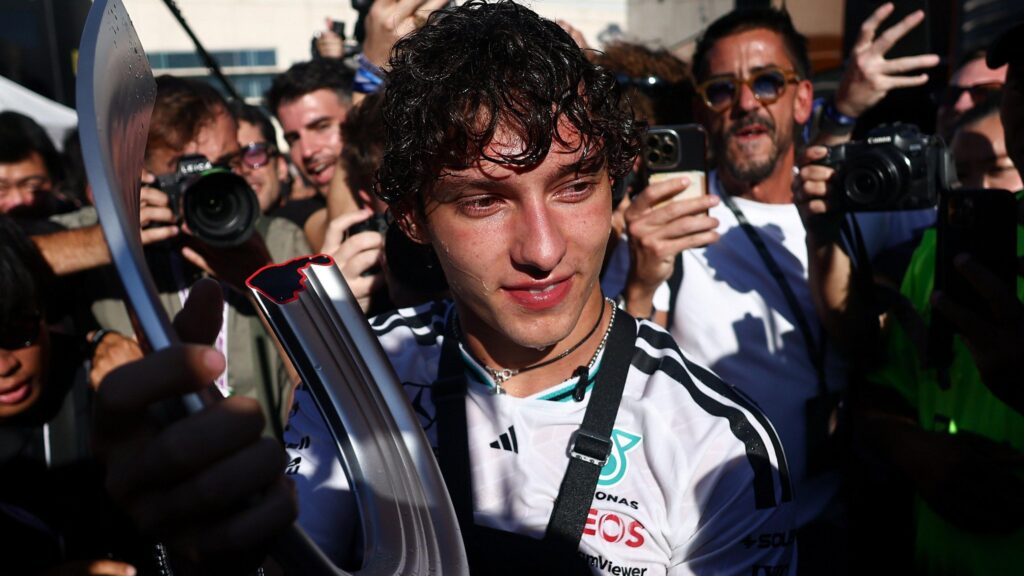
The crash itself became more than a physical incident. It was a psychological marker, a line drawn in the sand between the driver he was and the driver he needed to become. For many young racers, a significant accident either breaks them or becomes background noise they quietly suppress. For Antonelli, it became something closer to a teacher. Uncompromising, relentless, and ultimately transformative.
The mental weight of a high-speed mistake at the elite level of motorsport cannot be overstated. These are not ordinary errors. They happen in fractions of a second, in front of millions of viewers, and they carry consequences that range from championship points lost to life-altering outcomes. When a crash lingers in a driver’s consciousness the way Antonelli describes, it tends to reshape the way they approach every corner, every braking zone, every calculated risk.
Still Finding His Way at the Top of the Standings
What makes Antonelli’s story particularly compelling is his willingness to admit vulnerability even from the championship lead. He told BBC Sport that he is “still finding my way” in Formula 1, a statement that carries remarkable weight when you consider where he currently stands in the drivers’ standings. Most athletes at the top of their sport project confidence with surgical precision. Antonelli projects something rarer: growth in real time.
This is the paradox of the modern F1 prodigy. The sport demands instant readiness, pushing young drivers into machinery of terrifying capability before they have accumulated the life experience that traditionally accompanies elite performance. Antonelli arrived at the top tier of motorsport carrying enormous expectations, and rather than pretending those expectations sit lightly, he acknowledges the process openly.
There is something refreshing about that. Formula 1 is a sport with a long tradition of drivers who carefully manage their public image, revealing as little as possible about the inner machinery of their confidence. Antonelli operates differently, and it may be precisely that openness that has allowed him to process his 2024 experience rather than bury it.
What Transformation Looks Like at 200mph
Growth in motorsport does not arrive gently. It comes through tire degradation calculations at three in the morning, through debrief sessions that pull apart every tenth of a second, and yes, through the kind of crashes that stay in a driver’s head long after the carbon fibre has been swept off the track. Antonelli’s transformation is the product of all of these things working together.
When a driver processes a significant incident the way Antonelli describes, it often shows up not in dramatic overnight changes but in subtle shifts of approach. A fraction more patience on the entry to a fast corner. A slightly different relationship with risk under pressure. A deeper trust in the car built on scar tissue rather than assumption. These are the qualities that separate drivers who peak early from those who build sustained careers at the highest level.
At his age, leading an F1 championship while simultaneously describing himself as a work in progress is genuinely unusual. Most drivers who reach this position have spent years consolidating their self-image as a finished product. Antonelli is building his self-image in public, one race weekend at a time, and the sport is watching closely.
The Bigger Picture for Formula 1
Antonelli’s rise also arrives at a significant moment for the sport itself. Formula 1 continues to attract a younger, more global audience, particularly through its expanding presence across streaming platforms and social media. Drivers who communicate with authenticity, who share the interior landscape of elite competition rather than hiding behind polished PR, tend to connect with this audience in ways that statistics alone cannot explain.
His story is not just a sports story. It is a story about what it takes to face something that frightens you, to carry the memory of a mistake without being paralysed by it, and to keep pushing forward in one of the most unforgiving environments human beings have ever created for competitive sport.
The 2026 season still has races to run, and a championship lead is only as durable as the next few weekends allow. But regardless of how the title fight resolves, Antonelli has already offered the sport something valuable: a glimpse of what genuine development looks like when a talented young driver refuses to pretend he has already arrived.
The crash stayed in his head. And then it made him better. That, in the end, might be the most honest thing anyone in Formula 1 has said in a long time.
What do you think separates the F1 drivers who recover from adversity and go on to dominate from those who never quite reach their potential? Drop your thoughts in the comments below.