




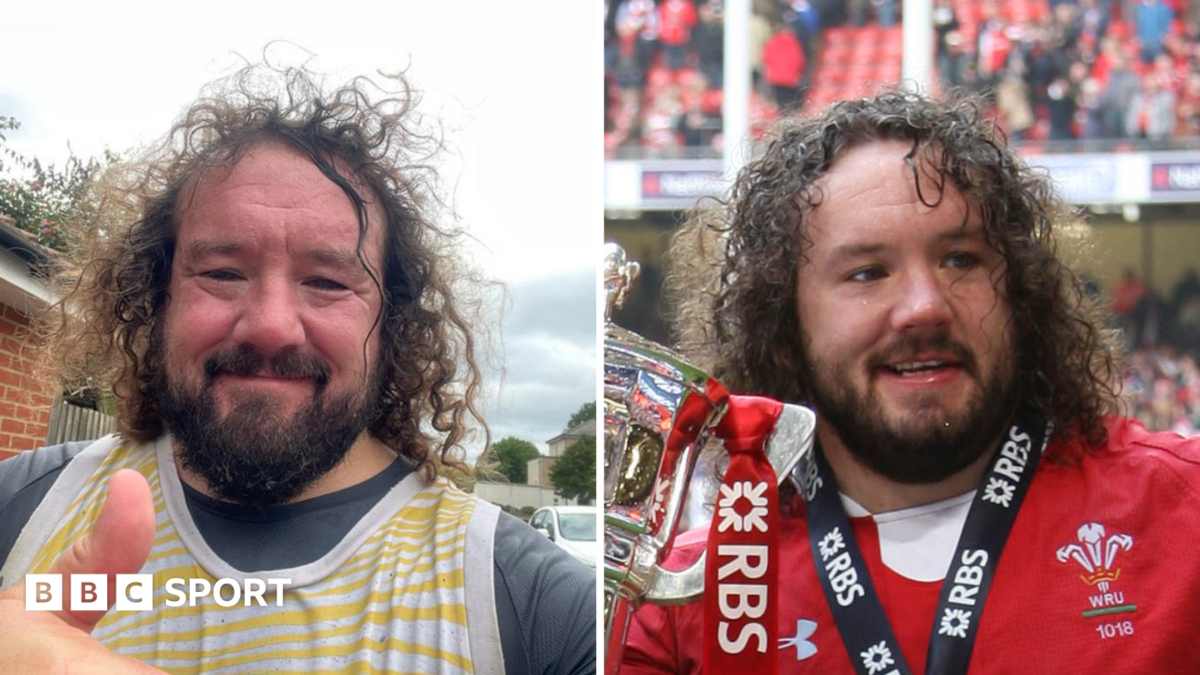
There are not many people in world rugby who can claim 100 international appearances, three Six Nations Grand Slams, and a British and Irish Lions series victory to their name. Adam Jones is one of them. But on Sunday, 4 October, the former Wales tighthead prop will line up for a very different kind of battle: the Cardiff half-marathon, carrying a body that is more than five stone lighter than it was not so long ago.
A Wake-Up Call That Changed Everything
Jones, now 45, has spoken openly about the moment that flipped a switch in his thinking. While serving as part of the Wales coaching staff on a tour of Japan in 2025, a television camera caught him at the end of the trip. The image stopped him cold. He was weighing in at 24st 7lb, which is 156kg, and recognised that something had to give.
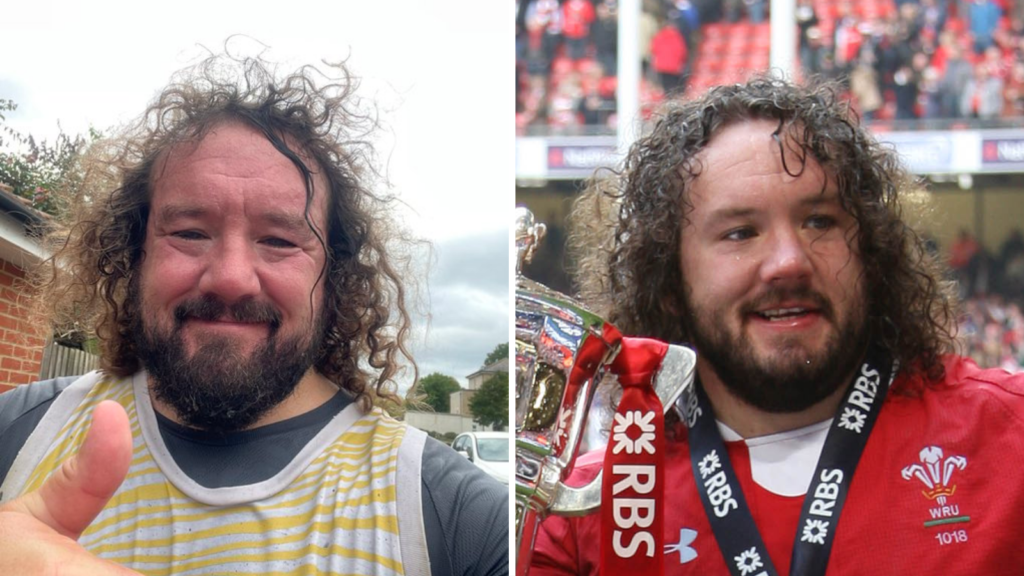
Gout was adding to his discomfort. The combination of a confronting on-screen image and a body beginning to protest was enough. He decided, with the kind of determination that once made him one of the most feared scrummagers in the northern hemisphere, to do something about it.
The result has been a loss of more than 32kg, a physical overhaul that has taken genuine discipline from a man whose rugby reputation was built on power and mass rather than speed and endurance. As reported by the BBC, Jones himself acknowledges that running was never really part of his CV during his playing days.
The Man Behind the Myth
To understand why this transformation resonates so widely, you have to understand just how much Jones meant to Welsh rugby during its golden era. He was a cornerstone of the Grand Slam winning sides of 2005, 2008 and 2012, three of the most celebrated campaigns in the history of the Welsh national team. He also went on Lions tours and contributed to a series victory, the kind of achievement that most professional rugby players spend entire careers chasing without ever getting close.
He retired from international duty in 2015 and from professional playing altogether in 2018, having made 95 appearances for Wales and five Tests for the British and Irish Lions. A century of international caps is a milestone only the very best reach, and Jones got there through a combination of technical brilliance in the scrum and sheer physical dominance.
His cult hero status in Wales was never really in doubt. Props rarely attract the kind of popular affection usually reserved for fly-halves and centres, but Jones managed it, partly through personality and partly through the fact that Welsh fans understood what a genuinely world-class scrummager looked like. He was that.
Trading the Scrum for the Road
The shift from elite prop to half-marathon runner is not a small one. These are two completely different physical demands. Scrummaging is about generating explosive force in a tight, controlled space, essentially an eight-man push powered by technique and raw strength. Distance running asks the body for something almost opposite: sustained cardiovascular output, efficient movement, and the mental fortitude to keep going when the legs begin to argue.
Jones has taken on this challenge with a stated desire to push himself out of his comfort zone. That phrase gets used a lot in sports, but in this context it carries real weight. A man who spent the better part of two decades being physically formidable is now navigating the very different discomfort of long-distance training runs, early mornings, and the humbling reality that 13.1 miles cares nothing for what you achieved in a scrum.
The Role of Identity in Athletic Reinvention
There is something genuinely interesting here beyond the feel-good angle. Former professional athletes often struggle with the loss of structure and physical purpose that retirement brings. The body that was once a tool, maintained and monitored with precision, suddenly becomes harder to manage when the professional apparatus around it disappears. Weight gain after rugby careers is not uncommon. The caloric demands of professional training are enormous, and the habits formed around those demands do not automatically adjust when the career ends.
Jones’s story is a candid one precisely because he is not pretending the years since his playing days were a seamless health journey. He saw a picture of himself, did not like what he saw, and chose to act. That kind of honesty, and the willingness to take on a public challenge like a half-marathon with cameras watching, says something about the man.
Harlequins and a Life After Playing
Away from his personal fitness journey, Jones has remained connected to the game he loves. He currently works as a scrum coach at Harlequins, passing on the specialist knowledge that made him so effective during his playing career. Coaching scrums at a Premiership club requires a sharp technical mind and the credibility to command respect in a forward pack, both of which Jones has in abundance.
The coaching role also means that his half-marathon preparation has had to fit around professional responsibilities. He is not a retired athlete with unlimited hours to train. He is a working rugby coach who has restructured his lifestyle and eating habits enough to shed a significant amount of weight while holding down a demanding job. That context matters.
What Sunday Will Mean
The Cardiff half-marathon on 4 October will not be the toughest thing Adam Jones has ever done in a sporting sense. Standing against the best loosehead props in the world, in a Lions Test, under the full weight of a rugby scrum, probably edges it. But it might be the most personally meaningful challenge he has taken on in years, a choice made not for a contract or a squad place or a result, but simply because he wanted to prove something to himself.
For a generation of Welsh rugby fans, seeing Jones cross that finish line will carry a kind of warmth that no Grand Slam could quite replicate. This is not about trophies. It is about a man, at 45, deciding that the next chapter gets written on his own terms.
What is your own biggest personal fitness challenge, and what finally made you take the first step toward it? Share your story below.