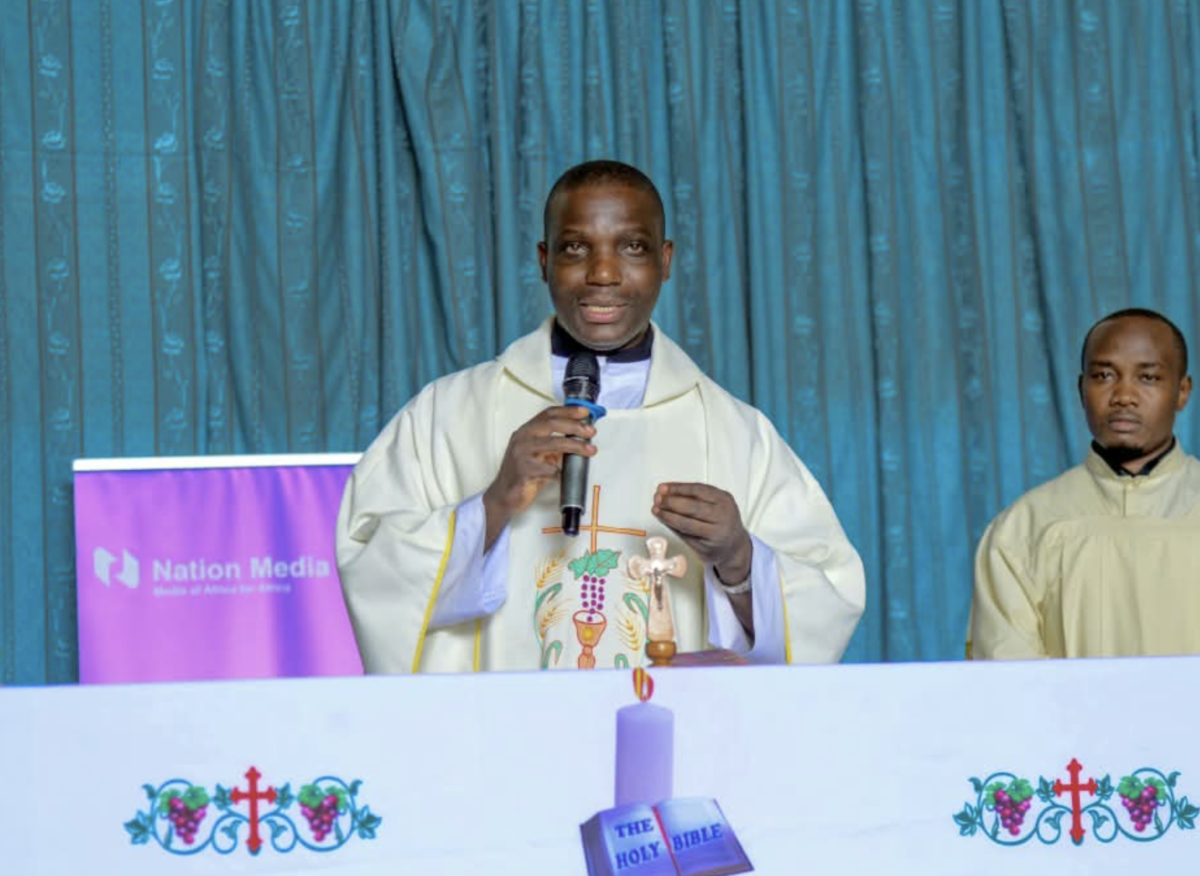
There are moments in any organisation’s life that strip away the noise and bring people back to what truly matters. For the staff of the Nation Media Group (NMG) in Uganda, one of those moments unfolded recently at Greenhill Academy in Kibuli, where colleagues, editors, and media workers gathered for a heartfelt thanksgiving service, offering prayers of gratitude after their outlets were allowed to resume operations following a period of closure.
A Prayer Meeting That Carried Real Weight
The service, held at Greenhill Academy in Kibuli, was not a routine corporate event. It came in the wake of a genuinely difficult chapter for one of East Africa’s most prominent media groups. NMG Uganda’s portfolio, which includes NTV Uganda, Daily Monitor, Spark TV, and several radio stations, had been shut down, leaving journalists without platforms and audiences without trusted voices. When the doors were reopened, the first collective act was not a press conference. It was prayer.
That choice says something. In a profession driven by urgency, deadlines, and the relentless hunt for truth, choosing to pause and give thanks before the cameras roll again reflects a depth of feeling that goes well beyond professional relief.
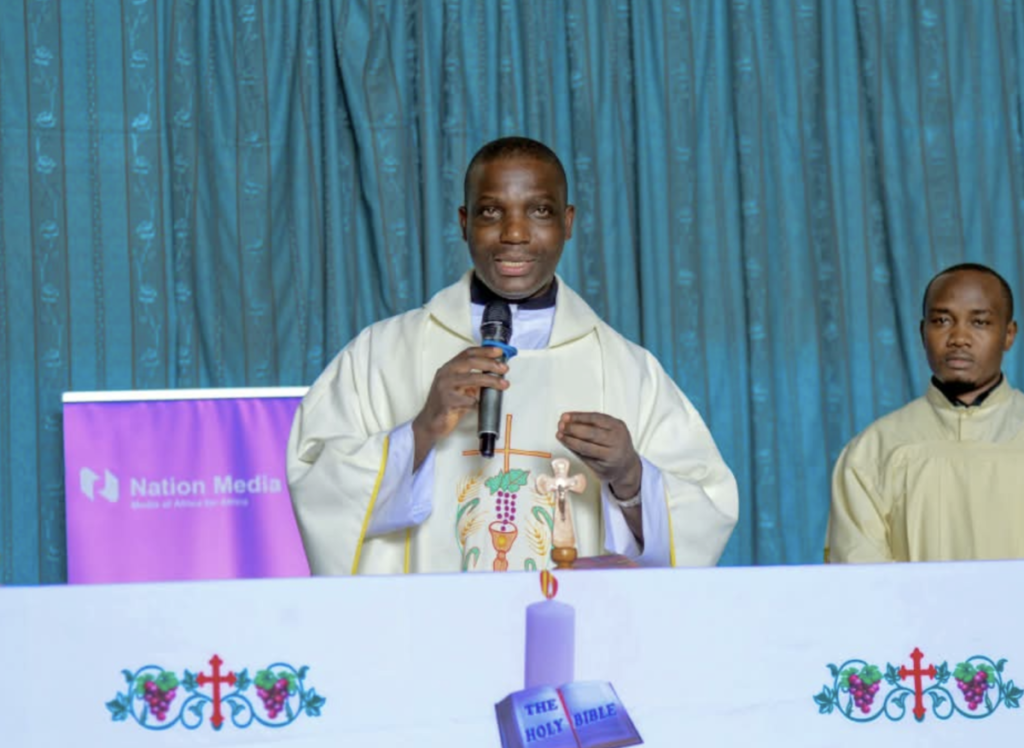
Rev. Fr. Deogratius Kiibi Leads the Service
The thanksgiving was led by Rev. Fr. Deogratius Kiibi, a name familiar within Ugandan religious circles. His message to those gathered was pointed and practical: he urged the leaders of this country to exercise compassion toward the people they serve, and called on NMG’s own leadership and staff to remain grounded in fearless, honest journalism. He specifically asked that news continue to be reported truthfully and fairly, without favour or prejudice toward any individual.
That appeal carries more than ceremonial weight. It lands as a quiet charge to a group of media professionals who know, perhaps better than most, what it costs to hold the line when institutions push back. The closure of a media house is never just a business interruption. It is a signal, an atmosphere, a chill that travels through every reporter’s instinct. Reopening, then, is not merely logistical. It is a restoration of something harder to quantify.
What the Shutdown Meant for Uganda’s Media Landscape
NMG Uganda is not a small player. Daily Monitor has long served as one of the country’s most widely read newspapers, carrying decades of institutional credibility in a region where credible journalism is not always easily available. NTV reaches television audiences across Uganda with news, current affairs, and investigative content. Spark TV engages a younger demographic. The radio stations extend reach into communities where print and television do not always arrive in time.
When all of these outlets went dark simultaneously, the gap was immediate and visible. Audiences accustomed to turning to these platforms for reliable information suddenly had to recalibrate. The period of closure was, in effect, a case study in what happens to a public when trusted media disappears, even temporarily.
Gratitude as a Professional Statement
There is something quietly powerful about a group of journalists gathering to give thanks. The profession often runs on skepticism, and rightly so. But in Kibuli, the mood shifted. The phrase being spoken among staff, “Omukama Akola Binene,” translates roughly to “The Lord is doing great things.” It is an expression of awe, of relief, and of recognition that forces beyond strategic negotiations had played a role in this outcome.
NMG Uganda’s parent company, the Nation Media Group, is among the most established media conglomerates on the African continent, with operations stretching across Kenya, Tanzania, Rwanda, and Uganda. Its Ugandan arm has consistently been at the centre of some of the country’s most significant news coverage, from political accountability stories to investigations into public corruption and social issues that rarely make it into official narratives.
The Road Ahead for NMG Uganda
Reopening is the beginning, not the conclusion. Staff returning to their desks do so with an awareness that has been sharpened by the experience of losing their platforms. Rev. Fr. Kiibi’s call for reporting done without fear, without bias, and without targeting any individual is easier said than lived. Uganda’s media environment, like many across the continent, remains complex, shaped by competing pressures from government, business interests, and public expectation.
But the mood at Greenhill Academy suggested that NMG’s team is not returning to work with diminished spirit. If anything, the prayer gathering indicated a collective re-commitment, a moment where people in a high-pressure industry chose to anchor themselves before the next wave of news cycles arrives.
For media observers across East Africa, this gathering carries a message beyond the spiritual. It signals that NMG Uganda’s staff sees their work as meaningful enough to celebrate its restoration, that the ability to report, broadcast, and publish is not taken for granted, and that the recommitment to truthful journalism is not just a brand statement but a personal vow renewed in community.
Why This Matters Beyond Uganda’s Borders
Press freedom remains one of the most contested values across Africa. Shutdowns, suspensions, and licence revocations affect newsrooms in multiple countries, often with little warning and even less accountability. When a major media group like NMG faces closure, even temporarily, the ripple effects are felt by journalists across the region who understand the vulnerability that comes with the job.
The Kibuli thanksgiving, small in scale but significant in meaning, is a reminder that behind every broadcast and every byline is a human being who chose journalism for a reason. And when those voices are silenced, however briefly, their return should be marked, remembered, and taken seriously.
As NTV, Daily Monitor, Spark TV, and the affiliated radio stations get back to full operation, one question lingers: what will Uganda’s media landscape look like a year from now, and will the conditions that allowed for a shutdown in the first place have changed in any meaningful way? Share your thoughts below.