





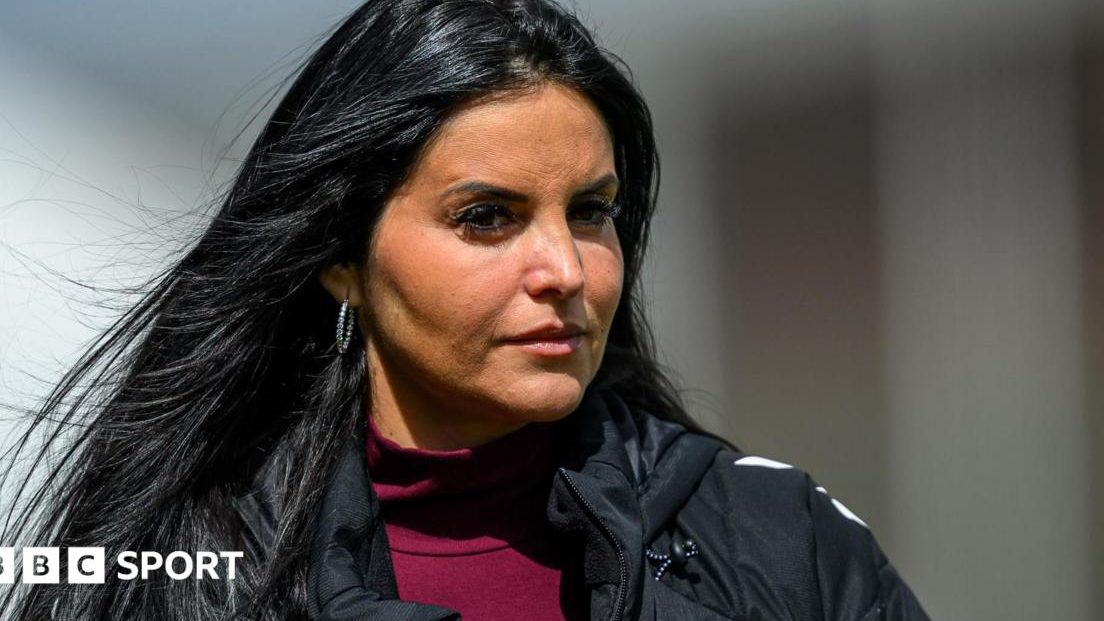
Manchester United are on the verge of naming Eva Olid as their women’s first-team manager, with the 40-year-old Spaniard expected to meet the squad as early as Wednesday as the club moves quickly to fill a vacancy created just weeks before the Women’s Super League season gets underway.
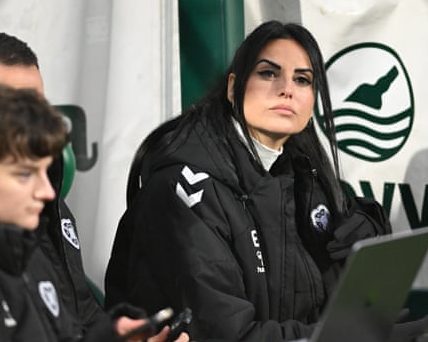
The appointment, understood by BBC Sport, comes after Marc Skinner departed his role by mutual consent on Monday, leaving United scrambling for leadership at an uncomfortable moment in the calendar. With less than a month until WSL action resumes, there is no room for a prolonged search. Olid, it seems, was always the answer.
From Tynecastle to Trafford: A Career That Commands Attention
Olid arrived at Hearts in 2021 with a clear sense of purpose, and over the following years she built something genuinely meaningful at the Edinburgh club. She signed a contract extension that carried her through to the summer of 2026, with the option of an additional year, a sign of the mutual trust between coach and club, even if that relationship ultimately ran its course.
The headline achievement came last season, when Hearts finished two points clear of Rangers to claim their first-ever Scottish Women’s Premier League title. It was a moment of real historical weight for a club that had spent years searching for that defining piece of silverware. Olid delivered it with a squad that had previously finished fourth in back-to-back campaigns before dropping to fifth in 2024-25, making the title triumph all the more striking given the trajectory.
She also steered Hearts to their first domestic cup final, a 2024 Scottish Cup decider against Rangers. They lost that day, but reaching the final at all was a marker of how far she had taken the club. Progress rarely moves in straight lines, and Olid understood that better than most.
The Timing Tells Its Own Story
The fact that Manchester United moved for Olid almost immediately after Skinner’s exit says something about how she is regarded beyond the Scottish game. The WSL is a different beast entirely, bigger budgets, greater media scrutiny, and a fanbase that expects results with a specific United flavour. Whoever walks into that role carries the weight of a club that is simultaneously rebuilding its identity and competing against the best-resourced operations in women’s football.
Olid spent four years proving she could build, sustain, and ultimately win at Hearts. She leaves that club with a piece of history attached to her name. Whether she can replicate that kind of impact in Manchester, against the likes of Chelsea, Arsenal, and Manchester City, is the central question that will define this next chapter.
A Vacancy That Raised Questions
Skinner’s departure, by mutual consent, a week into August, with the season essentially at the door, was not a clean or comfortable exit for the club. It raised uncomfortable questions about planning, decision-making, and the broader direction of United’s women’s programme. Appointing Olid with speed and apparent conviction is the club’s attempt to reset the narrative before competitive football begins.
There is a certain logic to the move. Olid is not a marquee name with a crowded trophy cabinet, but she is a coach with a demonstrable record of improving teams and, when the moment arrived, winning leagues. That kind of quiet, methodical excellence can be harder to find than the high-profile option. United appear to have identified it early and moved decisively.
What Comes Next
With the squad meeting pencilled in for Wednesday, the formalities are expected to follow quickly. United will want their new manager embedded, working, and setting the tone well before the WSL opener. Olid will need little time to assess what she has inherited, though understanding the gap between the Scottish Women’s Premier League and the WSL, in terms of tempo, physical demands, and competitive depth, will shape how fast she can make her mark.
She is 40 years old, Spanish, and arrives carrying the distinction of having made history at her previous club. At Old Trafford, history is not given. It is earned, usually the hard way.
So the question for United supporters is a simple one: can a coach who turned Hearts into Scottish champions do the same in England’s top flight, and what does it say about where the women’s game is heading when a title-winning manager is available and relatively overlooked until now?