






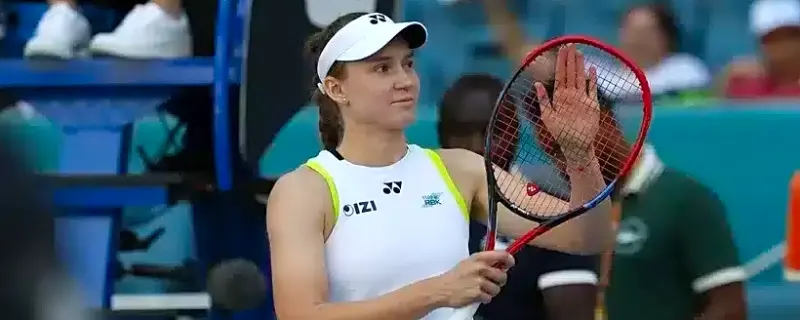
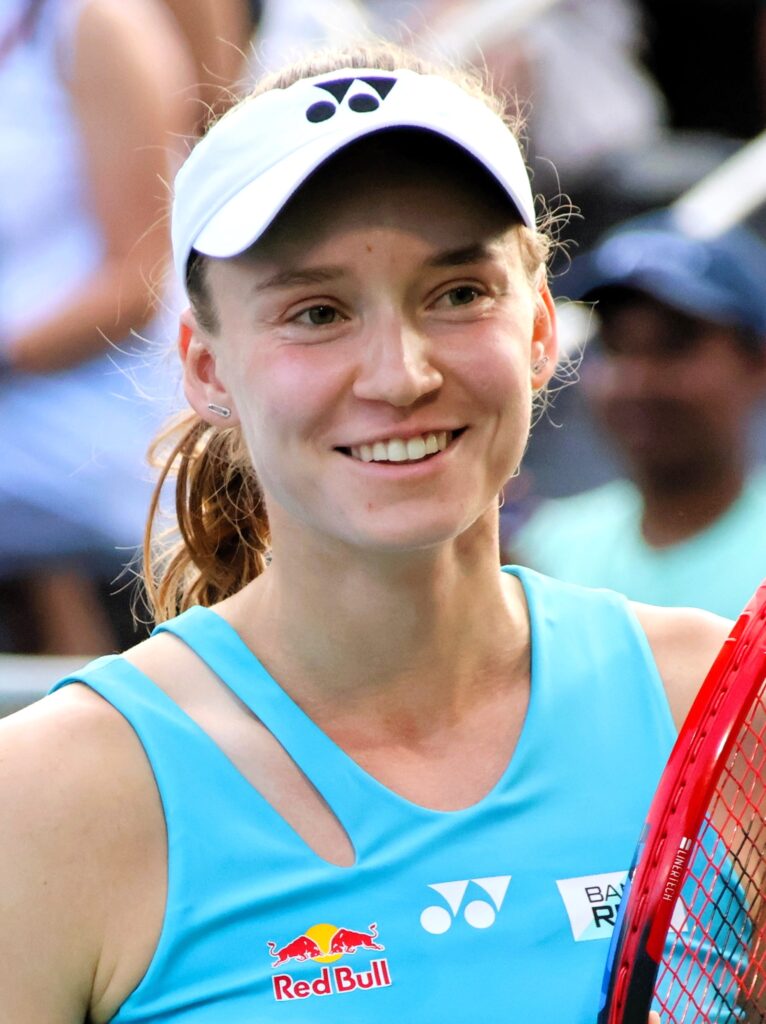
Elena Rybakina stepped into Flushing Meadows this week and did what she does best: played tennis, won a match, and said precisely as much as she wanted to about the bigger picture. Which, it turns out, is not very much at all. The Kazakh powerhouse opened her 2026 US Open campaign with a victory and, when pressed on the tantalising prospect of reaching world number one, offered an answer that was both refreshingly honest and quietly confident. She’s motivated, she said. But she’s taking things day by day.
In a sport where players routinely over-perform for the cameras and over-promise in press rooms, that kind of measured restraint feels almost radical. And yet it fits Rybakina perfectly. She has always been a player whose actions speak at a volume her words never quite reach.
A Winning Start at the Year’s Final Grand Slam
The US Open, held annually at the USTA Billie Jean King National Tennis Center in New York, carries weight unlike any other tournament on the calendar. It is loud, fast, and unforgiving. The hard courts favour power and precision, two qualities that sit comfortably at the heart of Rybakina’s game. Her serve alone is among the most formidable weapons in women’s tennis, and on surfaces that reward flat, penetrating ball-striking, she is a genuine threat from the first round through to the final.
Getting off to a winning start matters here more than people often acknowledge. The physical demands of a Grand Slam build week on week, and players who enter with momentum tend to carry it further than those grinding through early nerves. Rybakina showed none of the latter. According to BBC Sport, she moved through her opening match with the kind of composure that suggests a player who has already decided what kind of tournament this is going to be for her.
The Number One Conversation She Won’t Quite Have
The WTA world number one ranking is one of the sport’s most coveted distinctions, and right now it is very much in play. Rybakina has been knocking on that door for some time, and the 2026 season has brought her close enough to smell it. When asked directly about the chase, she acknowledged the motivation without letting it become a distraction. Day by day. Match by match. It sounds like a cliché until you realise she actually means it.
This is not false modesty or tactical media management. Players who obsess publicly over rankings tend to crumble under the weight of their own ambition. Rybakina’s approach, keeping the goal acknowledged but not amplified, is psychologically shrewd. She knows the number will take care of itself if the tennis does. And her tennis, when she is at her best, is among the cleanest and most devastating in the women’s game.
What the Rankings Race Actually Looks Like
Reaching world number one in women’s tennis in 2026 requires more than just winning. It demands consistency across a schedule that stretches from January in Australia to September in New York, with clay and grass courts thrown in between. Points expire, form fluctuates, and rivals have their own ambitions. The mathematics of it can become consuming if you let them. Rybakina’s decision not to let them is, in itself, a kind of competitive strategy.
She has the game to do it. Her serve is a point-ender at any stage of a match. Her groundstrokes carry weight without being reckless. And she has already demonstrated she can win at the highest level, having claimed a Grand Slam title that announced her arrival to anyone who was still paying attention to the names rather than the tennis.
Why This US Open Run Feels Different
There is a particular quality to players who arrive at a tournament already knowing what they want and how to get it. Rybakina has that quality right now. The opening win was not just a result; it was a statement of intent delivered in the quietest possible way. No theatrics. No excessive celebration. Just a professional doing her job with uncommon skill.
New York tends to bring out extremes in players. The crowd is partisan, the atmosphere electric, and the pressure relentless. Some players thrive on that energy and others buckle beneath it. Rybakina has shown over recent years that she belongs firmly in the first camp. She is not a player who needs the crowd to carry her, but she is not immune to the electricity of a big match moment either.
The Bigger Picture for Women’s Tennis
The race for world number one in women’s tennis reflects a broader truth about the sport right now: it has never been more competitive. The depth of talent at the top of the WTA tour means that no single player dominates with the kind of sustained authority seen in previous eras. Titles are shared, rankings shift, and every Grand Slam feels like a genuine open contest.
Into that environment steps Rybakina, armed with one of the most complete games on the tour and a mindset that refuses to be rattled by expectation. If she continues through the draw the way she started it, the number one conversation will find its own natural conclusion, whether she chooses to have it or not.
What Comes Next
The US Open is a two-week marathon, and Rybakina has only just laced up her shoes for it. Each round will bring tougher opponents, higher stakes, and more questions from reporters eager to get her to say something definitive about her ambitions. She will probably keep giving the same careful, honest answer. Motivated. Day by day.
And that, perhaps, is exactly the right answer. Not because it plays well in press conferences, but because it is the kind of thinking that turns promising tournament starts into deep runs, and deep runs into titles. The scoreboard at the end of the fortnight will say far more than any pre-tournament declaration ever could.
So here’s the question worth sitting with: in a sport that rewards mental discipline as much as physical talent, is Rybakina’s refusal to get drawn into the ranking narrative one of her greatest competitive assets? Let us know your thoughts in the comments below.