












On August 5, 2026, a strange object spotted near a Ukrainian aircraft at Leipzig/Halle Airport in Germany escalated from a local flight disruption into a matter of alliance-level concern, with NATO confirming it had tracked the drone sighting. German police were already on the ground investigating what they initially described as an unidentified flying object interfering with flight operations, but the picture grew considerably more serious once NATO weighed in.
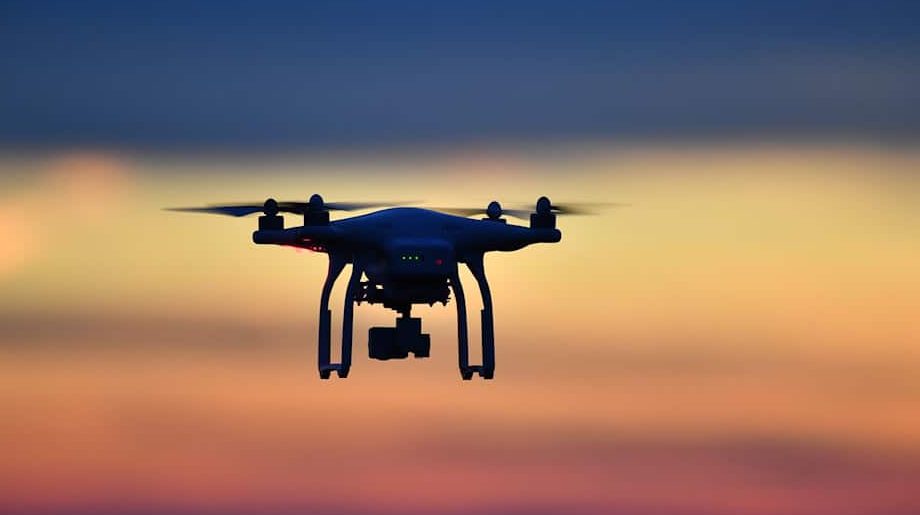
What Happened in Leipzig
The incident unfolded at one of Germany’s major cargo hubs, an airport that serves as the central nervous system for European logistics. Flights were disrupted as authorities scrambled to understand what exactly was hovering in restricted airspace near the Ukrainian aircraft. The word “unidentified” carries a very different weight in 2026 than it did a decade ago, particularly when it appears in the same sentence as a Ukrainian plane on German soil.
German police confirmed they were treating it as a security incident and launched a formal investigation. The situation then took a sharper turn when NATO confirmed the drone sighting, lending the episode a geopolitical dimension that German authorities alone could not contain.
DHL Caught in the Crossfire
Leipzig is not just a passenger airport. It is the European headquarters for DHL, the logistics giant that operates one of the world’s largest cargo fleets. The overnight incident reportedly also involved an object making contact with one of DHL’s own aircraft near the airport, meaning the disruption was not limited to the Ukrainian plane.
DHL Group CEO Tobias Meyer addressed the situation directly during a quarterly results call on the morning of August 5. Speaking to analysts and investors, Meyer was measured but candid. “We’ve got plans for cases like this, and we’ll try to make sure that the influence on our customers will be as low as possible,” he said, according to a Reuters report. The statement signals that DHL’s internal crisis protocols were activated, even as the broader security picture remained unclear.
For a company that moves millions of packages daily across the continent, even a brief suspension of operations at Leipzig can create a ripple effect stretching from Berlin to Bucharest. The fact that Meyer felt compelled to address it on an earnings call tells you something about the scale of disruption this incident caused.
Why NATO’s Involvement Changes Everything
When a local police matter earns a NATO confirmation, the incident crosses a threshold. Germany is a core NATO member, and Leipzig, situated in the former East Germany, carries its own symbolic weight in the alliance’s history. The presence of a Ukrainian aircraft, at a time when the war in Ukraine continues to define European security calculations, adds another layer of sensitivity.
NATO tracking drone activity at a German airport near a Ukrainian plane is not a routine aviation report. It is the kind of event that triggers intelligence assessments, diplomatic back-channels, and security briefings at the highest levels. Whether this was a deliberate act of sabotage, a surveillance operation, or something far more mundane will determine how governments across Europe respond in the days ahead.
The Broader Pattern of Aerial Incidents in Europe
This is not the first time mysterious aerial objects have disrupted European airspace since the war in Ukraine began. Across Scandinavia, the Baltic states, and Central Europe, governments have reported suspicious drone activity near critical infrastructure, military installations, and transport hubs. Each incident is investigated in isolation, but security analysts have long argued they form part of a broader pattern of hybrid pressure being applied to NATO member states.
Germany, as the alliance’s largest economy and one of Ukraine’s most significant military and financial backers, has repeatedly been identified as a potential target for destabilisation efforts. The Leipzig incident, whatever its ultimate cause, fits neatly into that pattern of concern.
What Comes Next
German authorities will now pursue a parallel investigation alongside NATO’s own assessment. The identity of the drone operator, the flight path of the object, and the precise nature of the contact with the DHL aircraft all need answers. Aviation safety regulators will also want to review the sequencing of events to understand how an unidentified object got close enough to aircraft on or near an active runway.
For DHL and other cargo operators at Leipzig, the priority is restoring normal operations as quickly as possible. For German security services, the priority is understanding whether this was an isolated technical anomaly or something requiring a more serious strategic response. For NATO, the confirmation of the drone sighting is almost certainly the beginning of a longer conversation, not the end of one.
Europe’s airports have become frontlines in a new kind of security challenge, one that sits uncomfortably between conventional crime, terrorism, and state-sponsored interference. The Leipzig incident is a reminder that the skies above the continent are no longer the benign, managed space they once were.
As investigators piece together what actually happened above Leipzig on the night of August 4 into August 5, one question demands an honest answer: how prepared are Europe’s airport authorities and national governments to handle the grey zone between a rogue hobbyist drone and a deliberate act of foreign interference, and what will it take before a clear, continent-wide response framework is put in place?