


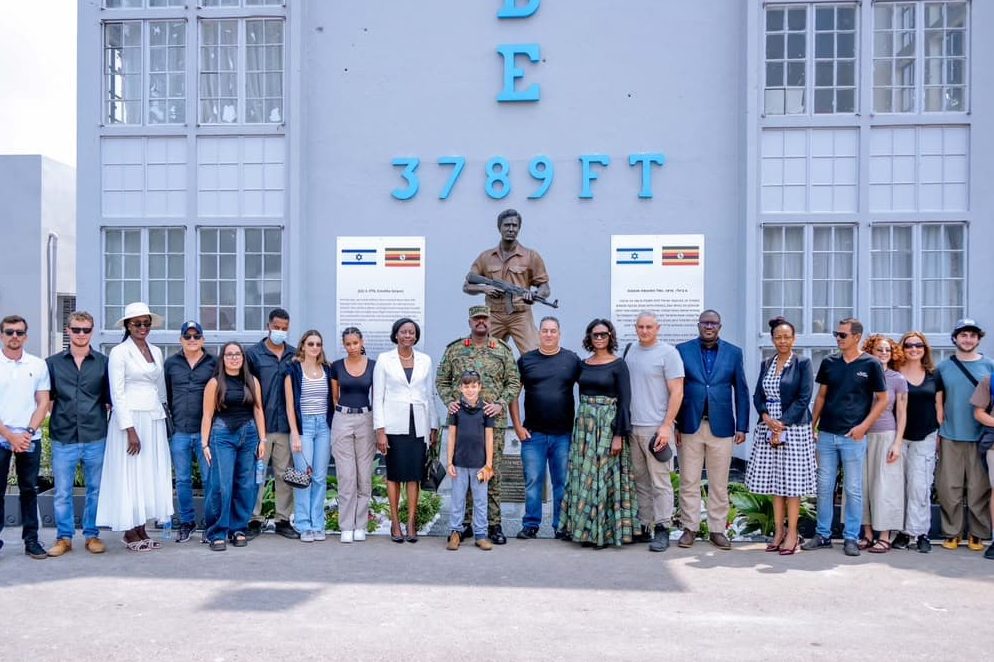









In Kampala, what began as the launch of a groundbreaking cultural archive quickly evolved into a rallying cry for economic ambition. The unveiling of the Digital Luo Museum brought together voices urging the Luo community to stop seeing their heritage as history alone and start treating it as a foundation for serious wealth creation. The message was clear: culture and commerce are not opposites. They can be the same conversation.
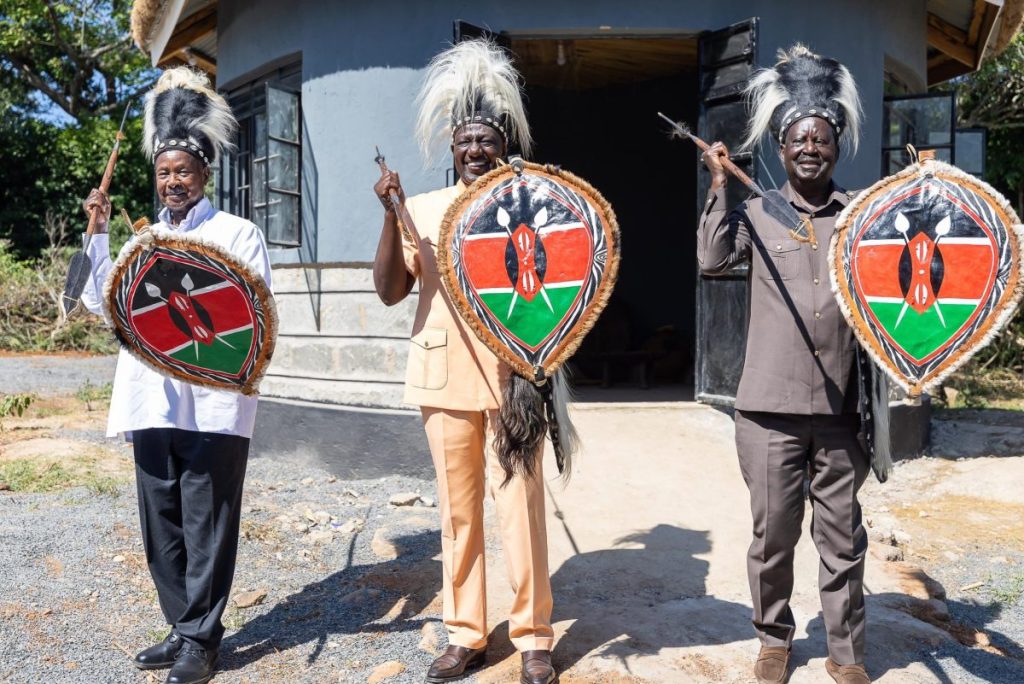
A Museum With a Mission Beyond Memory
The Digital Luo Museum is designed to preserve, document, and promote Luo history, culture, and heritage for both present and future generations. It is the kind of initiative that, on the surface, sounds like a gift to scholars and storytellers. But the thinking behind it runs deeper. By creating a centralized, digital record of Luo identity, organizers are essentially building the infrastructure for a cultural economy, one where heritage becomes a product, a destination, and a reason to invest.
This is not a novel idea globally. Countries like Japan and Peru have long understood that culture drives tourism, and tourism drives everything else. What makes this moment significant is that the Luo community is being encouraged to make that connection deliberately, with urgency, and at scale.
Agriculture, Agro-Processing, and the Income Gap
Among the sectors highlighted at the Kampala event, agriculture took center stage. The Luo community spans a broad geographic footprint across East and Central Africa, much of it fertile and historically tied to farming and fishing. Yet the gap between agricultural potential and actual household income in many of these regions remains wide.
The call to invest in agro-processing is particularly sharp thinking. Raw agricultural output is the lowest rung of the value chain. Processing adds layers of value before a product reaches market, generating more jobs per kilogram of crop, more revenue per acre of land, and more resilience against price volatility. A community that grows maize can sell grain. A community that processes maize can sell flour, animal feed, and cooking oil. The numbers tell a completely different story.
According to reporting from NTV Uganda, the push toward these sectors is specifically framed around boosting household incomes, creating employment, and driving broader socio-economic transformation. That framing matters. This is not charity programming dressed up in economic language. It is a structural argument about where the real opportunities sit.
Tourism as an Extension of Identity
The tourism angle is where the Digital Luo Museum becomes more than a preservation project. Cultural tourism is one of the fastest-growing segments in global travel. Visitors increasingly want experiences that connect them to something authentic, something with depth and story. The Luo have both in abundance.
From the rhythms of Ohangla music to the oral traditions, fishing cultures along Lake Victoria, and the architectural language of traditional homesteads, there is a rich catalog of experiences waiting to be packaged for the discerning traveler. The museum, in its digital form, could serve as a gateway, drawing in researchers, diaspora visitors, and curious tourists who then spend money on transport, accommodation, guides, crafts, and local food.
Uganda’s tourism sector has shown steady recovery in recent years, and community-based tourism has become an increasingly important part of that growth story. For the Luo, leaning into this trend would not require inventing something new. It would mean monetizing what already exists and what is now being archived through the digital museum.
The Diaspora Factor
Any honest conversation about Luo investment potential has to account for the diaspora. Luo communities stretch across Uganda, Kenya, South Sudan, Tanzania, and further into the global Luo diaspora network in Europe, North America, and beyond. This is not just a cultural footnote. It represents capital, connections, and appetite for investment back home.
Diaspora remittances have long been one of the most reliable financial flows into East African economies. Channeling even a fraction of that into structured agricultural ventures or tourism infrastructure would have an outsized effect on local economies. The Digital Luo Museum, as a digital platform, is naturally positioned to reach that diaspora, to remind them of who they are and, more practically, to show them where to put their money.
Making Culture an Economic Strategy
The broader lesson from this Kampala moment is one that communities across Africa are slowly internalizing. Identity is not separate from economic strategy. When a community knows its history, when that history is accessible, celebrated, and visible, it builds the kind of collective confidence that drives entrepreneurship, attracts outside investment, and keeps young people connected to home rather than alienated from it.
The Digital Luo Museum is not just archiving the past. It is potentially seeding the future. By documenting what makes the Luo community distinct, it creates a brand, and in 2026, brands drive economies as surely as roads and railways do.
The challenge now is turning the energy of a launch event into the discipline of long-term investment planning. Museums open with fanfare. Businesses succeed through consistency. The Luo community has been given both a mirror and a map. The question worth asking is: what comes next, who leads the way, and how soon does the conversation move from inspiration to implementation?