










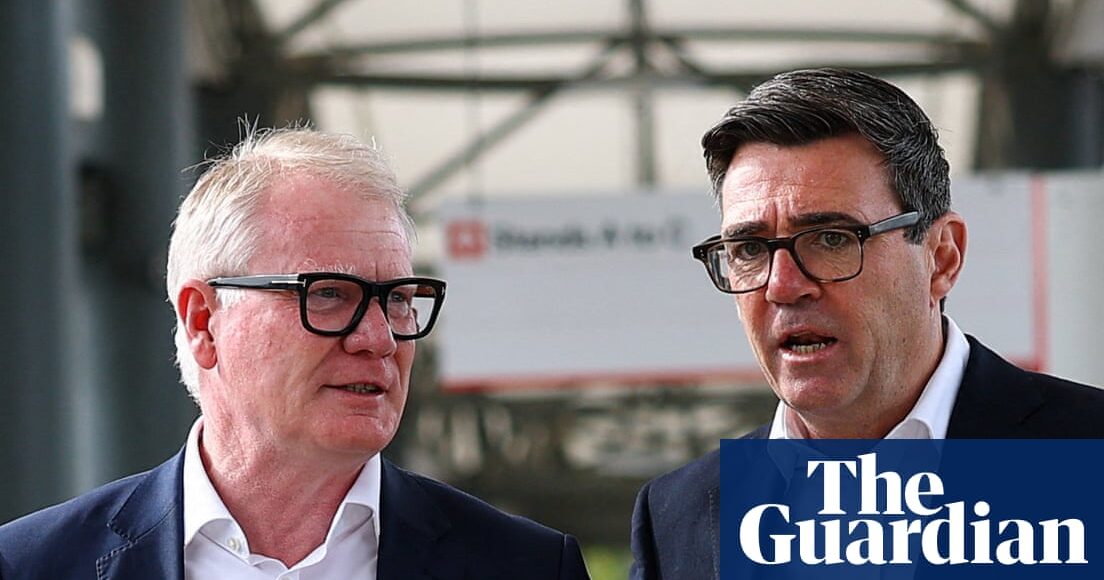
A significant shake-up in England’s planning landscape is on the horizon. Andy Burnham is expected to unveil proposals next week that would extend mayoral authority over local planning decisions, giving city leaders the power to greenlight large-scale developments and have a greater say in how national housing funding is allocated. According to reporting from The Guardian, the plans would allow mayors to “call in” planning decisions and direct local councils to either approve or reject them outright.

What the New Powers Would Actually Mean
At its core, this proposal is about shifting the centre of gravity in local governance. Right now, planning decisions on major developments typically sit with individual borough or district councils. These are bodies that, however democratically elected, often operate with competing priorities, limited resources, and a tendency to respond to hyper-local pressure rather than regional need.
Giving mayors the ability to call in decisions changes that dynamic considerably. A mayor could step into a stalled housing project, cut through the local political noise, and direct the outcome. Whether that is seen as leadership or overreach will depend almost entirely on which side of a proposed development you happen to live on.
The proposal also touches on national housing funding, with mayors set to gain more influence over how those resources are distributed. That is arguably the more consequential detail. Funding allocation shapes what gets built, where it gets built, and who benefits. Placing that lever closer to regional leaders rather than Whitehall mandarins represents a real transfer of power, not just a procedural tweak.
Why This Moment Matters for English Cities
England’s planning system has long been a source of frustration across the political spectrum. Housebuilding targets have been missed for decades. Nimbyism at the council level has repeatedly blocked schemes that enjoy broad regional support. The mismatch between where people need to live and where planning permissions are actually granted is one of the defining tensions in modern British urban policy.
Burnham, who has spent years building a reputation as one of England’s most forceful advocates for devolution, has consistently argued that cities cannot fix their problems if the tools to fix them remain locked in Westminster. This latest move reads as a logical extension of that philosophy. If you believe in city regions as engines of growth and renewal, then giving their leaders real teeth on planning is a coherent next step.
The political timing is also worth noting. With housing remaining a flashpoint issue nationally, any proposal that promises to unblock development pipelines and accelerate supply will attract attention. Whether it attracts applause or opposition depends heavily on how the details are framed when the proposals land next week.
The Councils Question
Any expansion of mayoral authority inevitably creates friction with the councils that currently hold those powers. Local councillors tend to be protective of their planning remit, and with good reason. Planning decisions are among the most consequential things a local authority does. They shape communities for generations.
The call-in mechanism softens the blow slightly by preserving the nominal process while adding a mayoral override at the top. But make no mistake, any council that finds its planning judgment reversed by a mayor is going to feel that. The political relationships between metro mayors and their constituent councils are already complex. Adding a formal power of direction into that mix will require careful navigation.
Supporters of the proposal will argue that the greater good of building more homes in the right places justifies the friction. Critics will worry about accountability gaps and ask whether concentrating planning power in fewer hands is genuinely more democratic or simply more efficient in a way that bypasses local voices.
A Broader Devolution Story
It would be a mistake to read this as simply a housing story. It is really a story about what kind of country England wants to be. The question of how much power sits in regional capitals versus Whitehall versus town halls has never been fully resolved. England remains one of the most centralised large democracies in the developed world, and every proposal like this one chips away at that reality incrementally.
Burnham has been one of the most prominent voices pushing for a more federal model of English governance. Whether or not this specific planning proposal flies in its current form, the direction of travel it represents is worth watching. Once mayors gain powers, they rarely give them back. And once residents see decisions being made closer to home, the appetite for more devolution tends to grow rather than shrink.
The details of exactly how the call-in process would work, what threshold would trigger mayoral intervention, and how disputes between mayors and councils would be resolved are all questions that next week’s presentation will need to answer. The principle, however, is already out in the open.
So here is the question worth sitting with: if your city’s future is shaped by a single decision on a major housing development, would you rather that decision rested with a local councillor elected by a few thousand residents, or an elected mayor with a mandate from millions? Your answer probably says a lot about how you feel about power, proximity, and who planning is really for.