



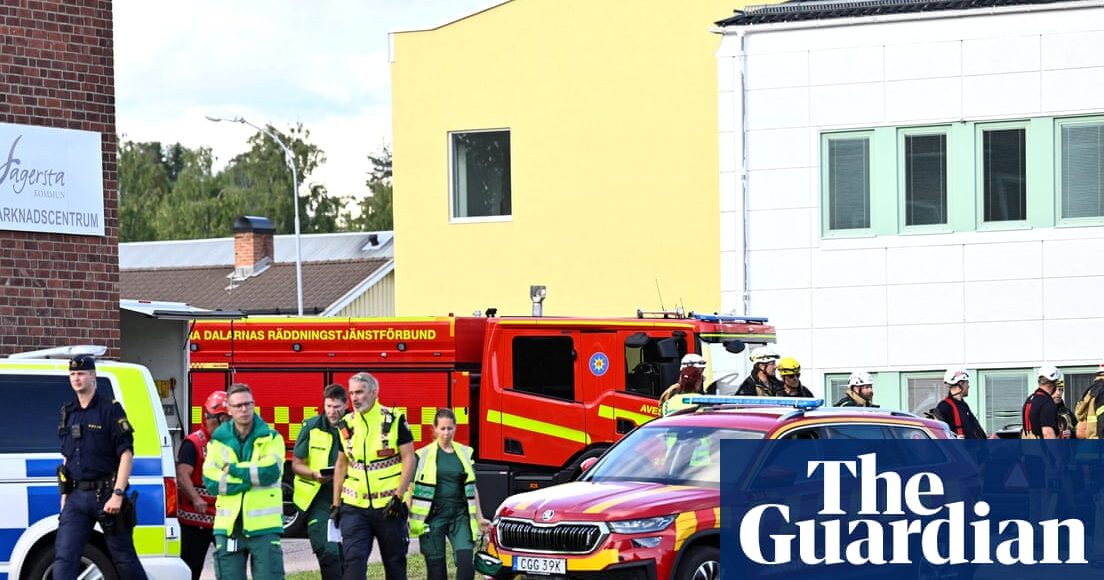
A 17-year-old girl is dead and three other people are recovering from injuries after an 18-year-old man attacked students with a sword at a school in Fagersta, a small town in central Sweden, on Friday afternoon. Swedish police confirmed the fatal attack occurred during school hours, sending shockwaves through a nation that has long prided itself on being one of the world’s safest societies.
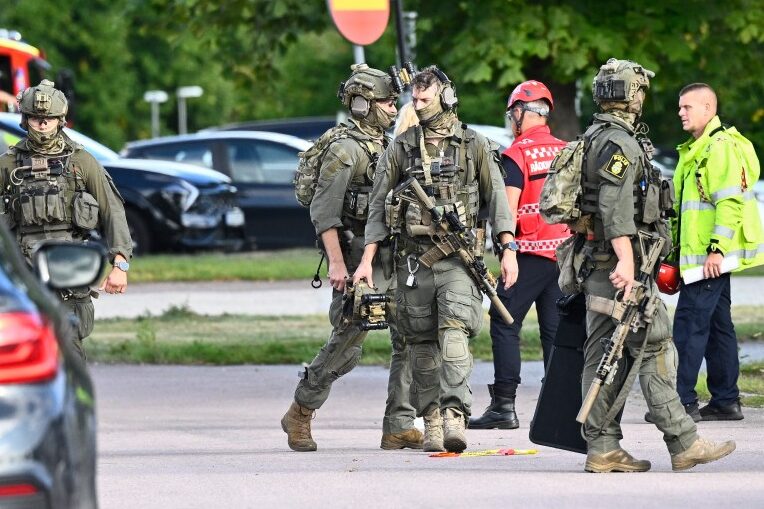
What Happened in Fagersta
According to confirmed reporting on the incident, the attacker, an 18-year-old male, targeted students while classes were underway. The assault left a 17-year-old girl dead. Among the three others wounded were two boys aged 12 and 17, both of whom sustained what police described as minor injuries. A fourth victim was also hurt in the attack.
Fagersta is not a city that typically makes international headlines. It sits in Västmanland County, a largely rural part of Sweden known more for its steel industry heritage than for any kind of social unrest. That is precisely what makes Friday’s events so jarring. This was not an abstract statistic from an urban trouble zone. This was a classroom. A Friday. Ordinary kids, doing ordinary things.
Sweden’s Shifting Safety Landscape
Sweden has spent much of the past decade grappling with a rise in gang-related violence, particularly in larger urban centres like Malmö, Gothenburg, and parts of Stockholm. The country’s political establishment has traded accusations back and forth over how to address organized crime and the proliferation of weapons. But those debates have largely centred on firearms and the gang networks that traffic them.
A sword attack at a school introduces a different kind of horror. It is slower, more visceral, and in some ways more psychologically disturbing than a shooting. It forces witnesses and survivors to reckon with something intensely personal and brutal. It also exposes a gap in the conversation: the focus on guns has meant that other potential weapons have received comparatively little attention from policymakers.
Sweden does not have the same gun culture as the United States, and school shootings, while not unheard of, remain rare. But the broader pattern of young men committing acts of extreme violence in public spaces is one that criminologists across Scandinavia have been tracking with increasing concern. Friday’s attack fits a pattern that researchers argue is driven by a complex mix of social isolation, mental health crises, and easy access to weapons of various kinds.
The Victims at the Centre of This Story
It would be easy for this story to become a debate about policy, politics, or Sweden’s place in the global conversation about violence. But at its centre is a 17-year-old girl who went to school on a Friday and did not come home. She has not been named publicly, and her family is presumably navigating a kind of grief that no parent or sibling should ever have to face.
The two boys aged 12 and 17 who were injured will carry the memory of what happened in that school for the rest of their lives. Minor physical injuries heal. The psychological imprint of witnessing or surviving a violent attack of this nature is an entirely different matter. Sweden’s mental health system, already stretched thin by years of underfunding and surging demand, will face pressure to provide adequate support to everyone affected by the attack, including students who were present but not physically harmed.
Questions About School Security
Swedish schools are not fortresses. They were never designed to be. The open, trusting culture that defines much of Scandinavian civic life has historically meant that schools operate with minimal security infrastructure. No metal detectors. No armed guards. No airport-style screening at the entrance. For decades, that approach worked because the threat simply did not demand anything more.
That calculation is now being revisited, reluctantly and painfully, by educators, politicians, and parents alike. The question is not simply whether to install security equipment, but what kind of society Sweden wants to be. Hardening schools into secure facilities changes the experience of childhood in ways that are difficult to reverse. Yet leaving them entirely open in an environment where the threat profile is shifting carries its own terrible risks.
There are no easy answers here, and anyone who tells you otherwise is selling something. What is clear is that the Fagersta attack will accelerate a conversation that Sweden has been trying to have carefully and that Friday’s violence has now made urgent.
What Comes Next
Swedish authorities will investigate the motive of the 18-year-old attacker. His identity has not been publicly released at this stage. Whether he was a student at the school, a former student, or had some other connection to the institution remains part of the active investigation. Prosecutors will determine what charges to bring, and the legal process will play out in the months ahead.
For the community of Fagersta, the immediate task is grief. Candlelight vigils, school counsellors, and quiet conversations between parents and children about safety and fear. These are the rituals that communities reach for when language fails and the scale of loss does not fit neatly into any existing framework.
Sweden will mourn, investigate, and eventually debate. That is what functioning democracies do. Whether the debate produces meaningful change, or whether this attack becomes another data point absorbed into an ongoing national crisis without resolution, is the question that Friday’s tragedy leaves hanging in the air.
What does it take for a society to move from grief to genuine, lasting change in how it protects its children at school? Tell us what you think in the comments below.