



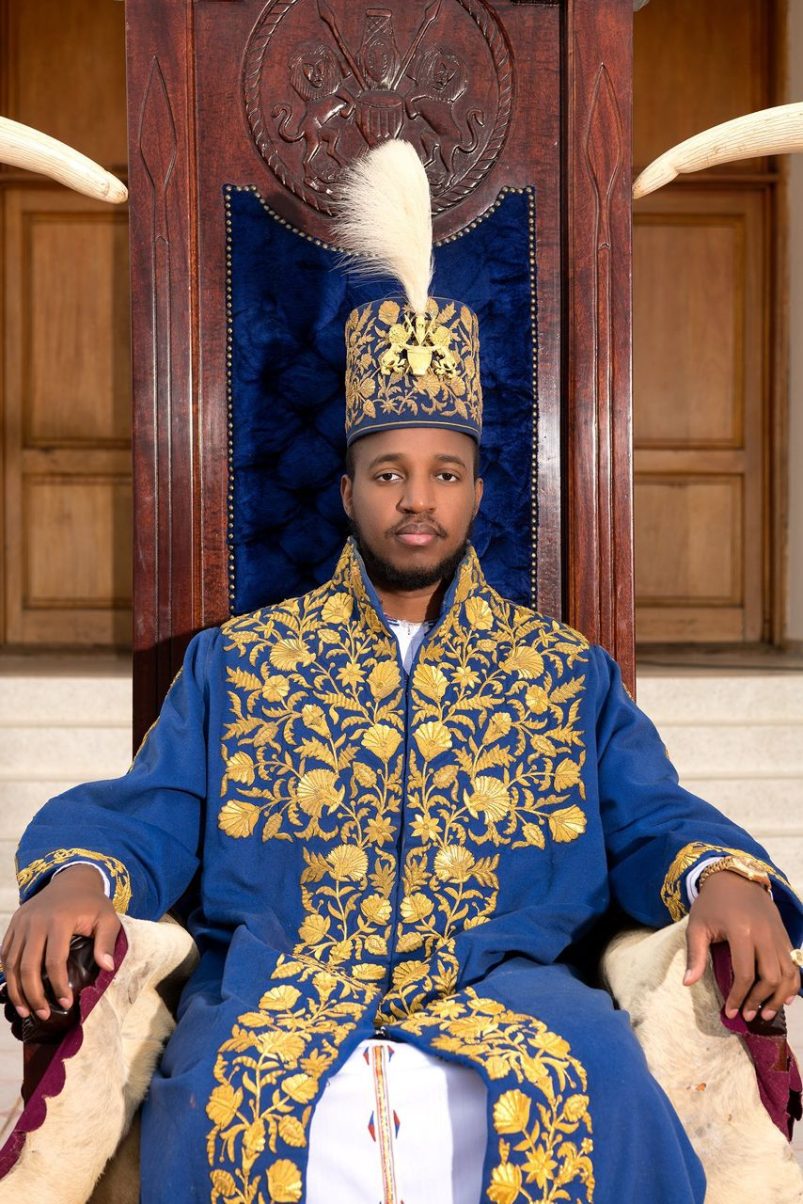
A Ugandan king who ascended one of Africa’s oldest royal thrones as a toddler has died at just 34, prompting grief that has stretched far beyond the borders of Uganda. King Oyo Nyimba Kabamba Iguru Rukidi IV, the Omukama of Tooro Kingdom, passed away in the United States after a fight with aggressive brain cancer, and among the voices now paying tribute is one from an unexpected corner of the world: Dallas, Texas.
A Memory From Five Years Ago
Dallas Mayor Eric Johnson publicly mourned the king this week, reaching back to a moment five years ago that clearly left a mark. Johnson had met King Oyo in person and presented him with a key to the City of Dallas, the kind of ceremonial gesture that cities reserve for figures they want to honour publicly and permanently.
“I extend my sincere condolences to the people of Uganda’s Tooro Kingdom on the passing of His Majesty the Omukama of Tooro, King Oyo Nyimba Kabamba Iguru Rukidi IV,” Johnson said, according to a report from Chimpreports. The mayor described the key as a symbol of friendship between Dallas and the Tooro monarch, and his words carried the kind of warmth that suggests the meeting was more than a photo opportunity.
“King Oyo impressed me as a dignified and respected leader, and he will be missed,” Johnson added. “My prayers are with his family, the Tooro people and the nation of Uganda during this time of mourning.”
What a Key to the City Actually Means
The tradition of giving a distinguished guest a key to the city goes back centuries, rooted in the medieval practice of literally handing over keys to city gates as a sign of trust and welcome. Today the gesture is purely ceremonial, but it carries real symbolic weight. Cities typically reserve it for heads of state, cultural icons, athletes, and leaders whose presence is considered an honour worth marking.
For King Oyo to receive that recognition from a major American city like Dallas speaks to the kind of international stature he carried, not just as a monarch, but as a figure who represented something larger: the endurance of African royal traditions in a modern, globalised world. He was a working cultural king who commanded genuine respect, and Johnson’s tribute underlines that reputation.
A Throne Inherited in Childhood
The story of King Oyo’s life begins with one of the most extraordinary ascensions in modern African history. In September 1995, at just three years old, he became the Omukama of Tooro following the death of his father, Omukama Patrick David Matthew Kaboyo Olimi III. A child barely old enough to dress himself was suddenly the custodian of one of Uganda’s most storied kingdoms.
What followed was a life lived entirely under the weight of that responsibility. He grew up in the public eye, educated and shaped by duty, and by the time he reached adulthood he had become a genuine symbol of cultural continuity for the Tooro people. The kingdom, located in western Uganda, has roots stretching back to the 14th century, and King Oyo was its living link between an ancient past and a present that demanded relevance.
The Final Chapter
His death did not come without warning. Ugandan President Yoweri Museveni confirmed that the government had supported the king’s cancer treatment in Germany before he eventually travelled to the United States, where he died. The cancer was described as aggressive, and it claimed him at an age when most people are still figuring out their lives. King Oyo had been carrying a kingdom on his shoulders since he was three.
The grief now spreading across Uganda and beyond is not simply the mourning of a monarch. It is the mourning of a symbol, a man who represented identity and heritage for an entire people. From the hills of western Uganda to the offices of City Hall in Dallas, the news of his passing landed with force.
The Quiet Power of Cultural Diplomacy
It would be easy to dismiss the Dallas connection as a minor footnote, but there is something genuinely meaningful in the image of an American city mayor standing with an African king and handing over a ceremonial key. Cultural diplomacy at its best does not happen in formal negotiations or treaty rooms. It happens in moments like that one, human and symbolic, where two very different worlds briefly share the same space.
Mayor Johnson’s tribute is a reminder that King Oyo moved through the world with a kind of quiet authority that crossed borders. He was not just a king for the Tooro people. He was a figure who could walk into a Texas city and leave the mayor thinking about him years later.
King Oyo Nyimba Kabamba Iguru Rukidi IV was 34 years old. He had been a king for 31 of those years. The Tooro Kingdom now faces the profound task of mourning and then continuing, carrying forward a legacy that began when their king was still learning to walk.
As Uganda mourns and the world takes note, one question lingers: how do we honour cultural leaders whose significance too often only becomes fully visible once they are gone?