










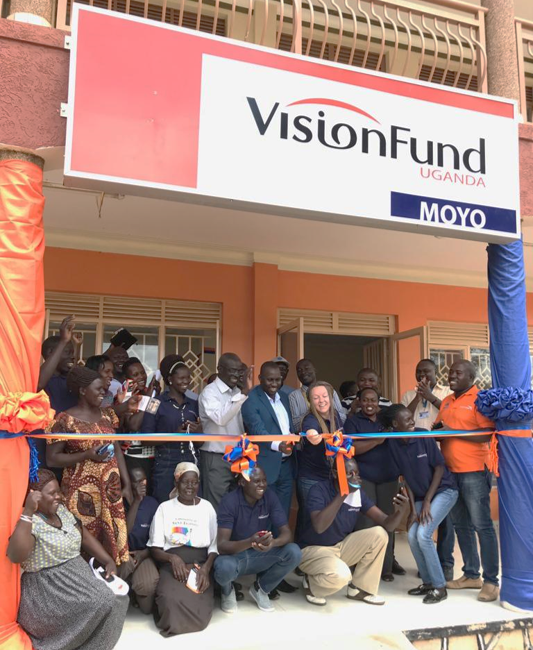
Vision Fund Uganda has spent three decades putting credit within reach of communities that most commercial banks have never bothered to visit. Now, as the institution marks its 30th anniversary, it is planning a move that would significantly expand what it can offer those same communities: the ability to take deposits.
According to Vision Fund Uganda’s latest strategy, the institution intends to transition from a Tier IV microfinance institution to a Tier III deposit-taking entity by 2029. That shift, which requires regulatory approval from the Bank of Uganda, would allow it to move beyond lending and start offering savings products and other financial services that its customers have been asking for.
What the Tier Change Actually Means
Uganda’s financial sector operates across a tiered regulatory structure. Tier IV covers non-deposit-taking microfinance institutions and savings and credit cooperatives. Tier III, by contrast, covers microfinance deposit-taking institutions that are licensed to mobilise savings from the public. For Vision Fund, moving up that ladder is not simply a bureaucratic exercise. It is a fundamental change to the kind of institution it is.
Right now, Vision Fund can lend money, but it cannot hold your savings. That limitation matters enormously in rural Uganda, where the alternative to a licensed financial institution is often a mattress or an informal savings group. If the transition goes through, Vision Fund’s clients would have a regulated, supervised place to deposit money, build a financial cushion, and access a broader suite of services without travelling to a distant urban branch of a commercial bank.
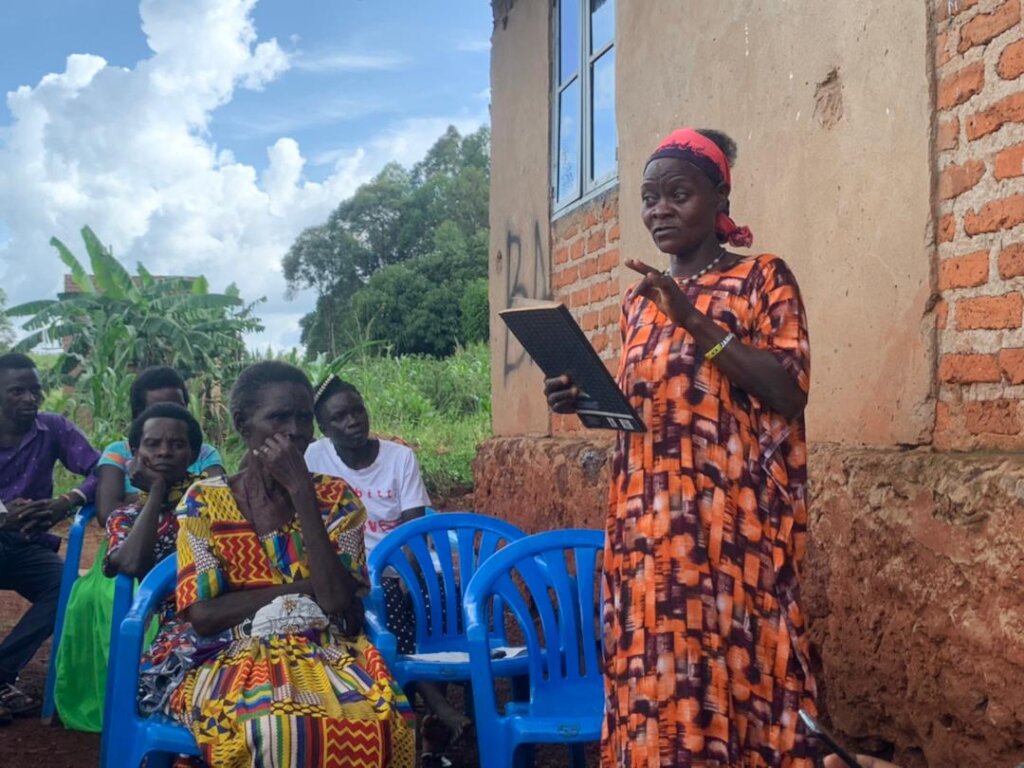
The institution currently serves around 84,000 active clients. The vast majority, 95 per cent of them, are based in rural areas. That figure alone tells you everything about where Vision Fund operates and who it is designed to serve.
A Million Children in Three Years
Perhaps the most striking target in Vision Fund Uganda’s 2027 to 2029 strategy is not about adults at all. The institution has committed to reaching more than one million children over the next three years. This reflects a philosophy that financial inclusion is not just about giving adults access to credit. It is about building the conditions for the next generation to grow up in financially stable households.
When a rural family has access to savings, insurance, or credit, the children in that household are more likely to stay in school, eat consistently, and avoid being pulled into child labour when a crisis hits. Vision Fund’s focus on children is not incidental. It is core to the broader mission of the organisation, which is rooted in child wellbeing and community development.
Reaching one million children is an ambitious target by any standard. It will require Vision Fund to grow its client base significantly, deepen its rural reach, and deploy services that extend beyond the household breadwinner to the broader family unit.
Why This Moment Matters for Financial Inclusion in Uganda
Uganda’s rural population remains chronically underserved by formal financial institutions. Commercial banks cluster in urban centres where transaction volumes justify the overhead. Mobile money has made genuine inroads in connecting rural Ugandans to basic financial services, but it is not a substitute for structured savings products with consumer protections and deposit guarantees.
Microfinance institutions that can take deposits fill a critical gap. They are present in communities where banks are not. They understand the seasonal income patterns of smallholder farmers. They build relationships over time rather than processing clients as anonymous account numbers. Vision Fund’s model, built on three decades of on-the-ground experience, is positioned to offer something that a mobile money wallet simply cannot replicate: a regulated savings relationship with an institution that knows your community.
The timing also reflects a broader regulatory environment that has been pushing Tier IV institutions to formalise. Uganda’s microfinance sector has seen consolidation and upgrading in recent years, as the government and the central bank encourage smaller institutions to either grow into regulated deposit-takers or risk being left behind as the sector matures.
Growing the Base Without Losing the Mission
Scaling up carries real risks for any mission-driven institution. The history of microfinance globally is littered with cautionary tales of organisations that grew fast, started chasing profit, and lost the connection to the communities they originally existed to serve. Interest rates crept up. Loan officers got pushy. Clients who could least afford it ended up in debt spirals.
Vision Fund Uganda will need to be deliberate about how it manages growth between now and 2029. Expanding the client base, adding deposit-taking capabilities, reaching a million children, and upgrading regulatory status all at once is an enormous operational undertaking. The institution’s 30-year track record in Uganda gives it credibility, but credibility does not automatically translate into execution capacity at scale.
What it does have is deep rural infrastructure, an existing client base built on trust, and a clear sense of who it is there to serve. If those fundamentals hold through the transition, Vision Fund Uganda could emerge from this strategic period as one of the most consequential financial institutions for rural Ugandans, not despite being a microfinance institution, but because of it.
The question worth sitting with, as Vision Fund prepares for this next chapter, is whether the ambition to grow will strengthen its commitment to the 95 per cent of clients who live far from the city lights, or whether the pressures of regulatory compliance and institutional expansion will gradually pull its focus toward easier, more profitable urban markets. That tension will define what Vision Fund Uganda actually becomes by the time 2029 arrives.