


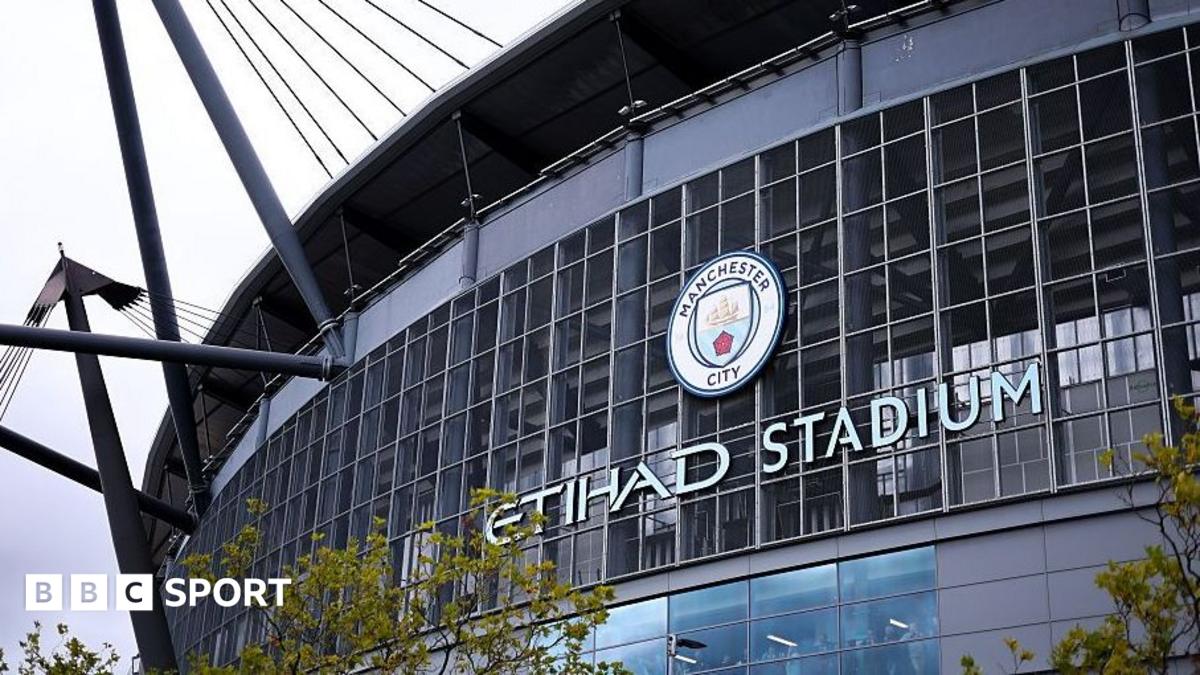
For over two years, the question hung over English football like a storm cloud that never quite broke. Now, finally, it has. A judgment has been reached on the 115 charges brought against Manchester City, one of the most complex and closely watched disciplinary cases in the history of the sport. The decision marks the end of a process that began long ago and consumed enormous amounts of legal resource, public debate, and media scrutiny, reshaping the conversation around financial rules in the top flight of English football.
What Were the 115 Charges About?
To understand the significance of this moment, it helps to go back to the beginning. The charges against Manchester City relate to alleged breaches of Premier League financial rules over a period spanning several years. The Premier League referred the club to an independent commission after an investigation that drew on a vast body of evidence, including financial records and internal communications. The sheer number of charges, 115 in total, made this one of the largest disciplinary proceedings any English football club has ever faced.
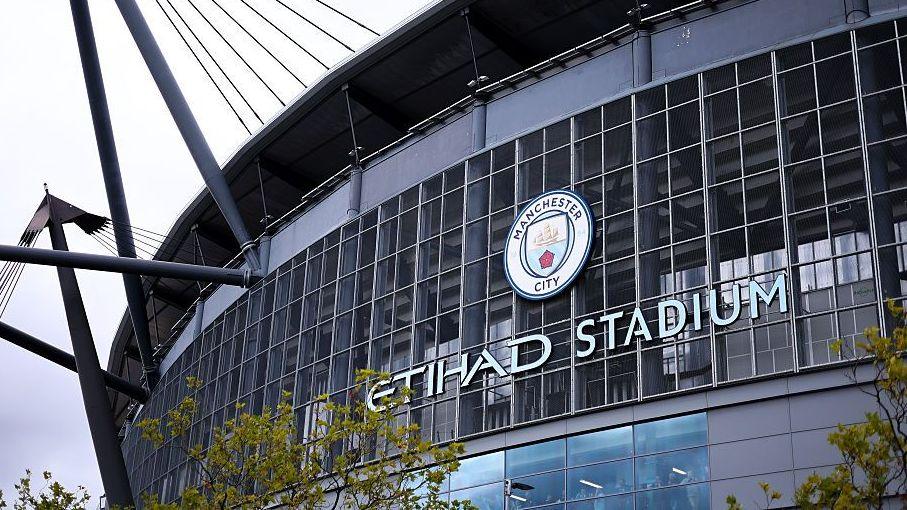
The charges covered areas including alleged failures to provide accurate financial information, alleged breaches of profitability and sustainability rules, and alleged failures to comply with regulations around player and manager pay. City consistently denied any wrongdoing throughout the process, maintaining that they had full confidence the truth would emerge through the legal proceedings.
Why Did It Take So Long?
The length of this process surprised almost everyone. More than two years passed between the charges being formally announced and a verdict being delivered. Legal experts who followed the case pointed to the sheer complexity of the financial evidence involved, the number of separate charges requiring individual examination, and the weight of responsibility on the independent commission tasked with making the call.
Independent panels of this kind operate outside the usual football authorities and are designed to ensure impartiality. But that independence also means they move at their own pace, without the pressure of a ticking clock. Supporters of City argued the extended timeline was damaging to the club regardless of the outcome, since it kept the allegations alive in public discourse for season after season. Critics of the club argued the delay was simply the unavoidable cost of getting such a consequential decision right.
What Does the Judgment Mean?
The arrival of a verdict is a watershed moment not just for Manchester City but for the Premier League itself. English football’s financial regulations have come under intense scrutiny in recent years, with multiple clubs navigating various forms of financial oversight. How the governing body and the independent commission handle a case of this magnitude sends a signal to every club in the division about how seriously the rules will be enforced.
For a full breakdown of the charges and what the judgment covers, the BBC’s detailed explainer walks through the key questions and what the outcome means in practical terms.
The Wider Impact on English Football
Whatever the specific findings, the ripple effects of this case will be felt across the Premier League for years. Clubs, agents, and ownership groups have watched closely, knowing that the outcome sets a precedent for how financial misconduct allegations will be handled going forward. The case has already prompted fresh debate about whether the Premier League’s financial monitoring systems are fit for purpose, and whether independent commissions are the right mechanism for resolving disputes of this scale.
There is also the question of fan trust. City supporters have spent two years defending their club against allegations that, in their view, were never proven. Supporters of rival clubs have spent the same period arguing that the charges alone justified serious concern. A verdict, whatever its content, at least gives everyone a fixed point of reference in a debate that had grown increasingly fractious.
Manchester City’s Position Throughout
City’s approach throughout the proceedings was consistent. The club denied wrongdoing, cooperated with the process, and repeatedly expressed confidence in the outcome. That posture, maintained over such a prolonged period, required a level of institutional composure that is itself worth noting. The club continued to compete at the highest level domestically and in European competition while carrying this legal weight, a fact their management and ownership will point to as evidence of the club’s resilience.
The case also sparked a broader conversation about the gap between clubs operating at the very top of the financial pyramid and those trying to keep pace with them. Financial fair play regulations exist, in theory, to create some level of competitive balance. Whether that balance is achievable in an era of state-backed club ownership is a question this verdict alone cannot answer.
Where English Football Goes From Here
The resolution of the 115 charges case does not close the book on financial governance debates in English football. It opens a new chapter. Whatever penalties were imposed or not imposed, whatever findings were made, the Premier League now has to decide what structural lessons to take from a process that dragged on for more than two years and absorbed enormous resources on all sides.
Reform proposals have been circulating for some time, including calls for faster adjudication timelines, clearer financial disclosure requirements, and stronger monitoring mechanisms. Whether the authorities have the appetite to push those reforms through in the wake of this case remains to be seen.
One thing is certain: English football has changed because of this case, regardless of the verdict. The questions it raised about money, power, and accountability in the top flight will not disappear simply because a commission has delivered its findings.
Now that the judgment is finally here, the real question is this: will English football use this moment to build a more transparent and enforceable financial framework, or will the sport revert to business as usual the moment the headlines move on?