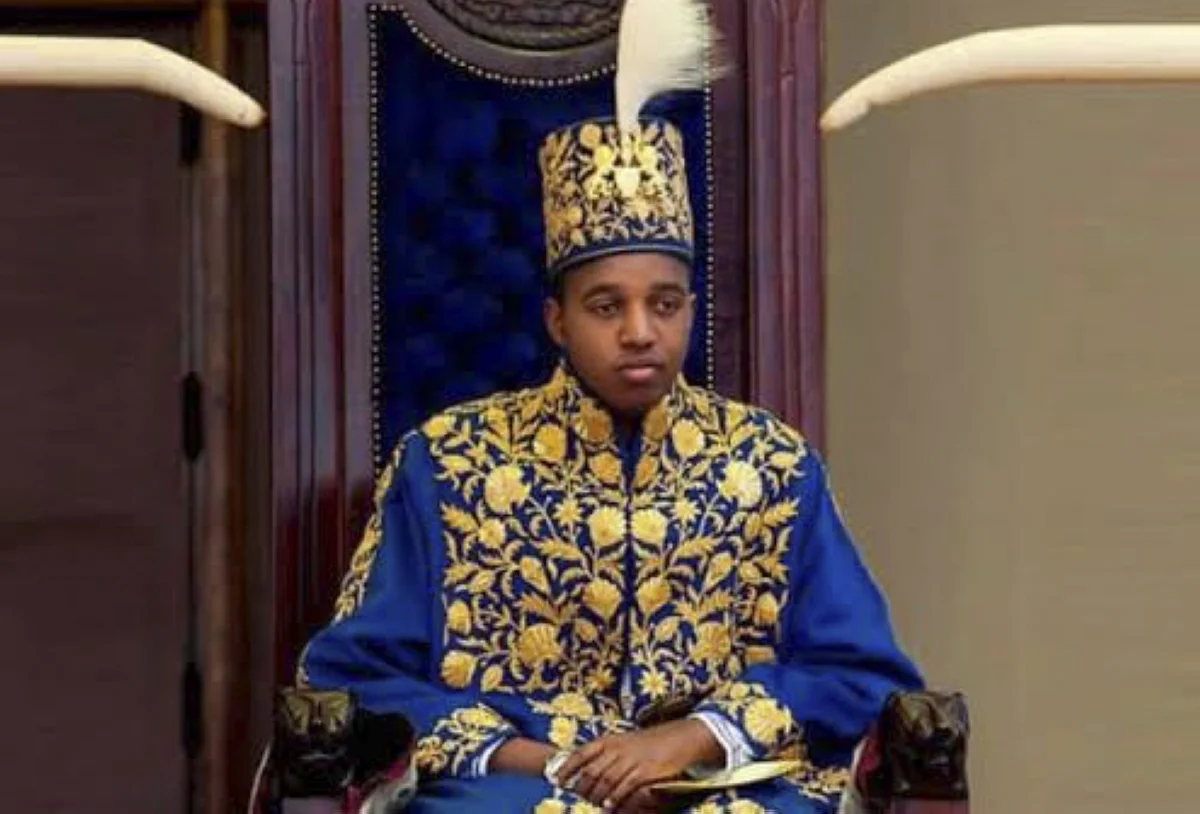
Uganda is preparing to bid farewell to a monarch who defined an era. King Oyo of Tooro Kingdom, who lost his battle with cancer while receiving treatment in the United States, will be buried on September 12, 2026, a date that carries a weight few can put into words. That same day would have marked his 31st coronation anniversary, transforming what was always meant to be a celebration into a moment of profound national grief.
The Journey Home
The king’s body is set to arrive at Entebbe International Airport on Friday, where no ordinary official will be waiting. President Yoweri Museveni himself will receive the fallen monarch, a gesture that underscores the stature King Oyo held not just within Tooro but across Uganda as a whole.
From Entebbe, the body will be airlifted to Kyegegwa airstrip. What happens next is deliberate, almost ceremonial in its design. Rather than a swift motorcade, the journey from Kyegegwa to the Tooro heartland will be conducted by road, at a measured pace, giving ordinary people along the route the chance to line the streets and wave their king goodbye one last time.
According to reports from Chimpreports, the Minister of State for Gender and Culture, Mary Kamuli Kuteesa, confirmed that while there will be no formal stops along the route, security teams from the Uganda Police and the Uganda People’s Defence Forces will manage deliberate slow-down moments as the procession passes through settlements. It is a small but powerful concession to the grief of ordinary Ugandans who may never get closer to royalty than a roadside farewell.
Nine Days at Karuzika Palace
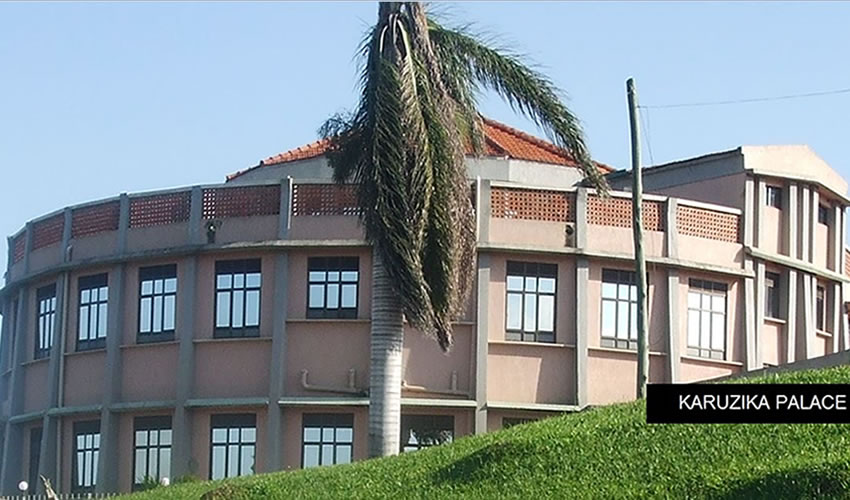
Once the body arrives at Karuzika Palace in the evening, the cultural formalities will take over. The reception will be led by the head of the Babiito clan, a figure known traditionally as the “Musuuga,” marking the moment the kingdom reclaims its king through centuries-old custom.
The body will lie in state at Karuzika Palace from the time of arrival through to the burial on September 12, covering nine days of official mourning. Daily evening prayers will be held throughout, and the palace will remain open to members of the public who wish to pay their respects on any day within that window. Kuteesa made a point of addressing corporate partners, colleagues, and friends of the late king directly, noting that nine days is a generous window and urging people to plan their visits accordingly.
It is a rare thing in modern royal protocol: an open-door lying-in-state that does not restrict access to the powerful alone. Anyone who shared a moment with the king, worked alongside him, or simply admired him from a distance is invited to come.
A Funeral on What Should Have Been a Feast Day
The burial itself is scheduled for September 12, and the symbolism is impossible to ignore. Kuteesa did not shy away from it either, describing the coincidence as “unfortunate and painful.” The day was always earmarked in the Tooro calendar as a day of festivity, marking the anniversary of a coronation that took place when King Oyo was still a small child. Instead, it will now be remembered as the day the kingdom said its final goodbye.
The final service will be held at St John’s Cathedral in Fort Portal, beginning at 9:00 a.m. Anyone wishing to attend the church service must be seated by 8:00 a.m. After that hour, entry will be restricted to VIPs. It is a practical instruction wrapped in quiet significance: the cathedral will hold the country’s most prominent figures, but the nine days prior belong to everyone.
What King Oyo Represented
King Oyo ascended to the throne of Tooro at an age when most children are still learning to read. His reign stretched across three decades, making him one of the longest-serving traditional rulers in Uganda’s post-independence history. He grew up in public, was educated abroad, and returned to lead his kingdom through enormous social and political change in Uganda. He was not simply a cultural figurehead but an active participant in national conversations around development, identity, and the place of traditional institutions in a modern state.
His death from cancer, far from home, in the United States, added a particular layer of sadness to an already heavy moment. The fact that his body must travel across an ocean and then across the Ugandan landscape before reaching Karuzika speaks to a life that was always moving between worlds.
A Nation Holds Its Breath
For the people of Tooro, these nine days are not simply a mourning period. They are an opportunity to be present, to stand in the same space as their king one final time, and to begin the difficult process of imagining what comes next for a kingdom that has known only one monarch for over three decades.
Uganda as a whole is watching. The logistical coordination between the Ministry for the Presidency, the Minister of State for Gender and Culture, the Uganda Police, and the UPDF reflects the scale of what this burial represents. This is not a private family matter. It is a state occasion dressed in cultural robes.
As Fort Portal prepares to receive the world’s attention on September 12, one question lingers over everything: what does the future of Tooro Kingdom look like, and how does a people begin to define themselves after the only king most of them have ever known?