









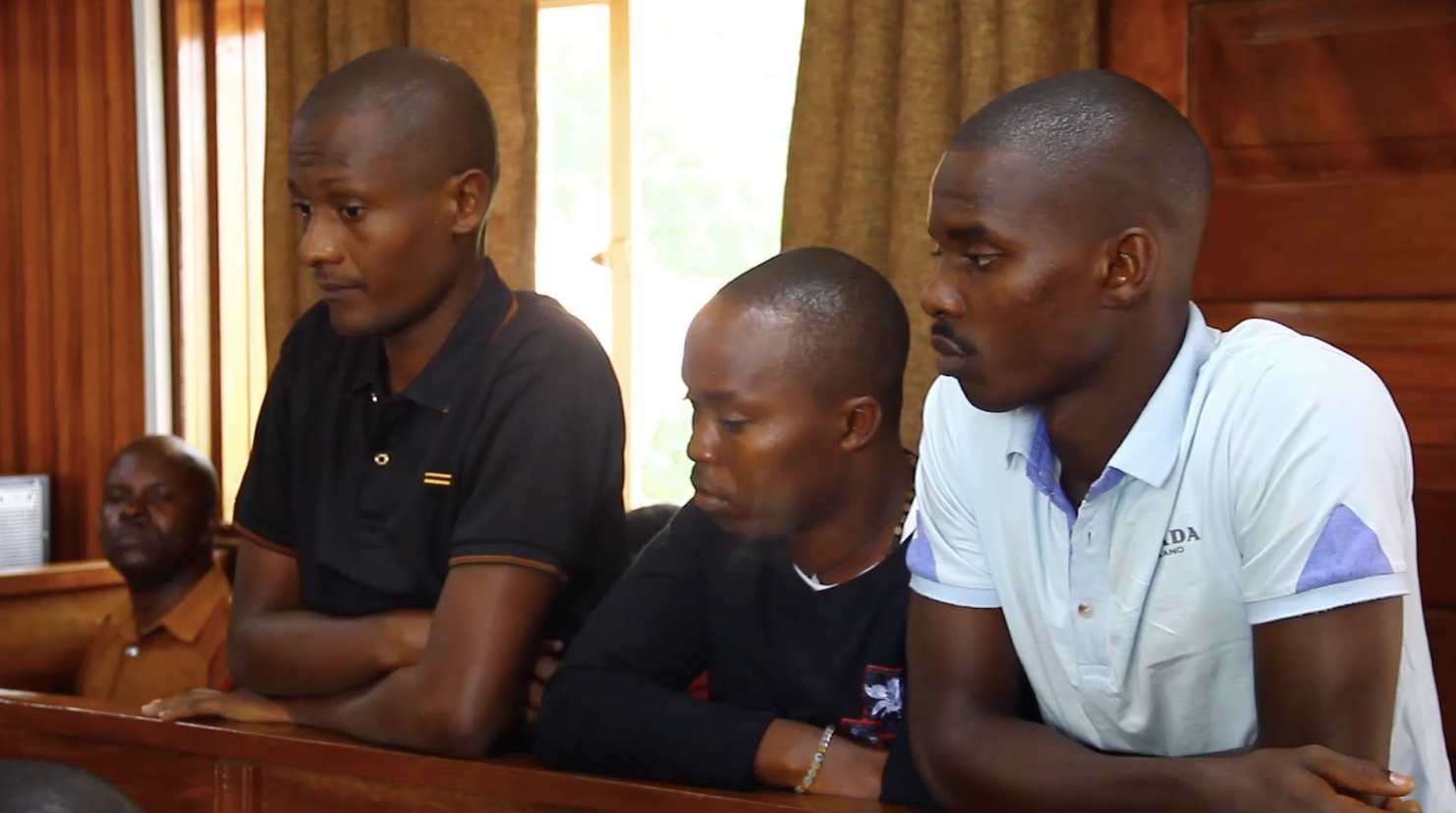
Nearly eight years after a catastrophic fire tore through a student dormitory at St. Bernard’s SSS Manya, killing ten young people in their sleep, two of the accused have finally appeared before a judge to answer for the charges against them. On September 1, 2026, Edison Niyo and Alex Junior Mugarura stood before Justice Victoria Nakintu at the High Court in Masaka, marking the formal start of their plea proceedings in a case that has haunted Uganda’s education sector for almost a decade.
A Night That Changed Everything
The fire broke out on November 11, 2018, at the Kisulo dormitory of St. Bernard’s SSS Manya. Ten students lost their lives that night. The tragedy sent shockwaves through the country, drawing urgent questions about fire safety standards in Uganda’s boarding schools, the adequacy of emergency protocols, and the accountability of those responsible for student welfare.
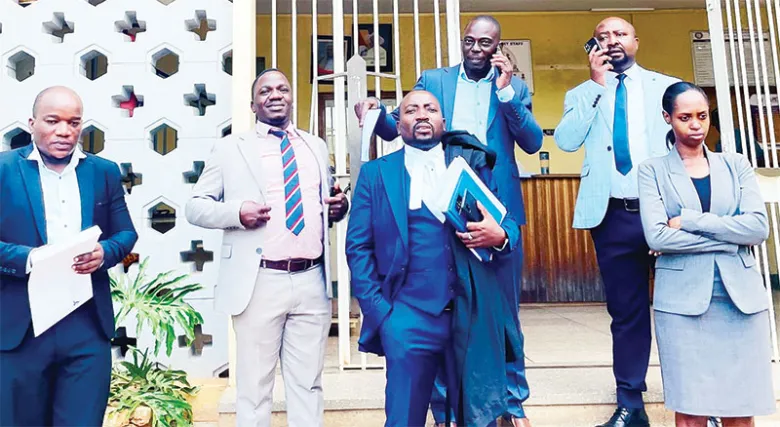
What made the aftermath even more agonising for grieving families was the prolonged delay in bringing anyone to court. According to details reported by NTV Uganda, police at the time failed to apprehend the individuals believed to have started the fire, leaving the case in legal limbo for years.
The Charges and How They Came to Court
Both Niyo and Mugarura told Justice Nakintu that the charges against them are unfair, arguing that the counts were placed on them only after police failed to catch the actual perpetrators of the fire. This defence posture signals that the trial ahead will be fiercely contested, with the accused positioning themselves as individuals swept into a case born out of investigative failure rather than solid evidence.
The charges themselves stem from the events of that November night and are directly connected to the deaths of the ten students. The precise nature of the charges, whether arson, negligence, or a combination of related offences, sits at the centre of what will likely be a closely watched legal process in the Masaka region.
Why the Delay Matters
In Uganda’s legal system, cases involving loss of life at educational institutions carry enormous public weight. When the accused in such cases spend years outside the courtroom, it chips away at public confidence in the justice system. Families who buried their children in 2018 have lived through nearly eight years of uncertainty, watching a case move at the pace of cold treacle through the courts.
The delay here was not simply procedural. It was rooted, at least in part, in a failure of law enforcement to build a watertight case immediately after the fire. When police cannot secure the people they consider responsible, prosecutors are sometimes left working with second-best options, a reality that defence teams will almost certainly exploit in the months ahead.
Fire Safety in Ugandan Schools: A Persistent Problem
The Manya dormitory fire was not an isolated incident in Uganda’s school system. Over the years, multiple boarding schools across the country have experienced fires, some fatal, raising persistent concerns about the construction standards of dormitory buildings, the availability of firefighting equipment, and the training given to staff for emergency situations.
After the 2018 tragedy, there were calls from education advocates and parents for the government to enforce stricter building codes for school dormitories, mandate fire drills, and ensure that schools maintain functioning fire extinguishers and clearly marked emergency exits. Whether those calls translated into meaningful policy change remains a subject of debate among education stakeholders.
What Happens Next in Court
With the plea proceedings now formally underway, Justice Nakintu will guide the case through its next stages. The defence’s argument that the charges were improperly constructed will need to be tested against whatever evidence the prosecution has assembled over the past eight years. Witness testimony, forensic records from the fire scene, and any investigative findings will all come under scrutiny.
For the families of the ten students who died, every court date is both a moment of hope and a reminder of loss. Justice, when it comes slowly, does not always feel like justice at all. But a case that is finally in motion is better than one that never moves at all.
A Community Still Healing
St. Bernard’s SSS Manya is a school with deep roots in its community. The loss of ten students in a single night left scars that no verdict can fully heal. Teachers, surviving students, and families carry the memory of that night forward with them. The school has continued to operate in the years since, but the shadow of the Kisulo dormitory fire has never entirely lifted.
As proceedings continue at the Masaka High Court, the case will serve as a reminder that accountability in tragedies of this scale must be pursued with both rigour and fairness. Rushing to convict the wrong people serves no one. Neither does allowing years to pass without anyone answering for ten young lives cut short.
The question that every Ugandan parent, educator, and policymaker should be sitting with right now is this: what has actually changed in how we protect children inside boarding school dormitories, and if another fire broke out tonight, would the outcome really be any different?