










Uganda has pressed pause on one of its most commercially sensitive sectors. The country’s Energy Minister has announced a temporary freeze on the issuance of new mineral exploration, refining, and dealing licences, effective immediately, while the government conducts a thorough review of how the sector is being managed. It is a bold move, and one that signals Kampala is no longer content to let the status quo run unchecked.
What We Know So Far
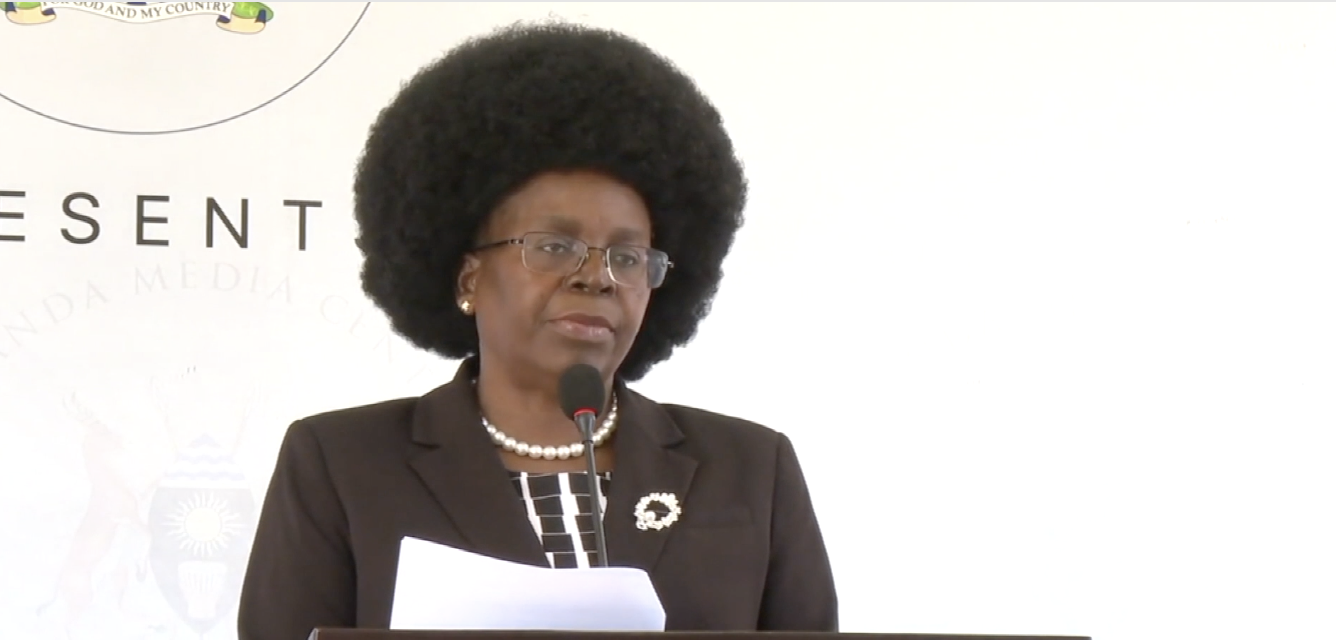
The announcement came from Monica Musenero, who leads the energy ministry, and it was direct: no new licences will be granted until the government has a clearer picture of what is already on the books. According to reporting on the freeze, the ministry currently oversees more than 500 active licences, a figure that includes five large-scale processing permits. That is a substantial portfolio, and the sheer volume of it seems to be at the heart of why Kampala feels a reset is necessary.
The freeze applies across the board: exploration licences, refining permits, and dealing licences are all affected. Whether you are a small prospector or a large multinational looking to expand operations, the door is temporarily shut.
Why This Matters Beyond the Headlines
Uganda sits on significant mineral deposits. The country has documented reserves of cobalt, iron ore, gold, limestone, and phosphates, among others. In recent years, the global scramble for critical minerals, driven largely by the green energy transition and the demand for battery technologies, has turned countries like Uganda into strategically important players on the world stage. That attention brings investment, yes, but it also brings pressure, complex negotiations, and the very real risk that a poorly managed licensing regime ends up benefiting foreign interests far more than local communities.
A freeze of this nature, while it may frustrate investors in the short term, is often the responsible move when a sector has grown faster than the regulatory framework around it. More than 500 licences is a lot to keep track of, and questions about whether all of them are being actively and properly utilised, whether the terms remain fair, and whether the government is capturing adequate revenue from these arrangements are entirely reasonable ones to ask.
The Broader African Context
Uganda is not alone in this kind of recalibration. Across the continent, governments have been rethinking their relationships with the extractives sector. Tanzania, Zimbabwe, and the Democratic Republic of Congo have all, at various points, revised mining codes, revoked licences, or imposed new conditions on operators. The pattern reflects a growing assertiveness among African governments about sovereign control over natural resources, a conversation that has only intensified as commodity prices have fluctuated and the geopolitical competition for minerals has sharpened.
What distinguishes Uganda’s move is the timing. The global appetite for African minerals is at a peak right now, and choosing this moment to pause and review suggests the government is less interested in rushing more deals through and more interested in ensuring the deals already signed are delivering real value.
What Happens to Existing Licence Holders
The freeze appears to apply only to new applications. Existing licence holders, including those holding the five large-scale processing permits, are not immediately affected. But the review itself could have consequences for the entire landscape. If the government determines that some licences were issued on terms that no longer serve the public interest, or that certain permit holders are not meeting their obligations, renegotiations or revocations could follow.
That kind of uncertainty tends to make investors nervous. Markets do not love ambiguity, and some operators may choose to sit on their hands until there is more clarity about what the review will produce and how long it will take.
Reading the Political Signal
There is also a domestic political dimension worth considering. Natural resource governance has become an increasingly charged topic in many African countries, with citizens asking louder questions about who benefits when minerals leave their soil. A government that is seen to be taking active control of the licensing process, rather than simply waving new permits through, can score meaningful credibility points at home.
The review, whatever its technical scope, also sends a message to the international community: Uganda is not simply open for business on any terms. It wants partnerships that work in its favour. That is a legitimate position, and one that more and more resource-rich nations are comfortable articulating.
What to Watch Next
The key questions now are about timeline and transparency. How long will the review take? What criteria will the government use to assess the current licensing framework? Will findings be made public? And critically, will the outcome lead to structural changes in how licences are issued, monitored, and enforced going forward?
Investors, civil society groups, and local communities all have a stake in the answers. A rushed or opaque process would defeat much of the purpose. A thorough, credible review, on the other hand, could set Uganda up for a healthier, more equitable extractives sector for years to come.
The minerals are not going anywhere. The question is whether Uganda can use this pause to build a system that ensures the wealth beneath its soil actually enriches the people who live above it. What do you think: is a licensing freeze the right tool for achieving fairer mineral governance, or does it risk sending the wrong signal to the investors Uganda needs?