






Four decades is a long time to be doing anything. For World Vision Uganda, that stretch of time represents a journey that began in the chaos of a liberation war and has grown into one of the most extensive humanitarian footprints in the country. But as the organisation marked its 40th anniversary in Uganda, the mood was less celebratory and more like a firm, necessary conversation about what comes next.
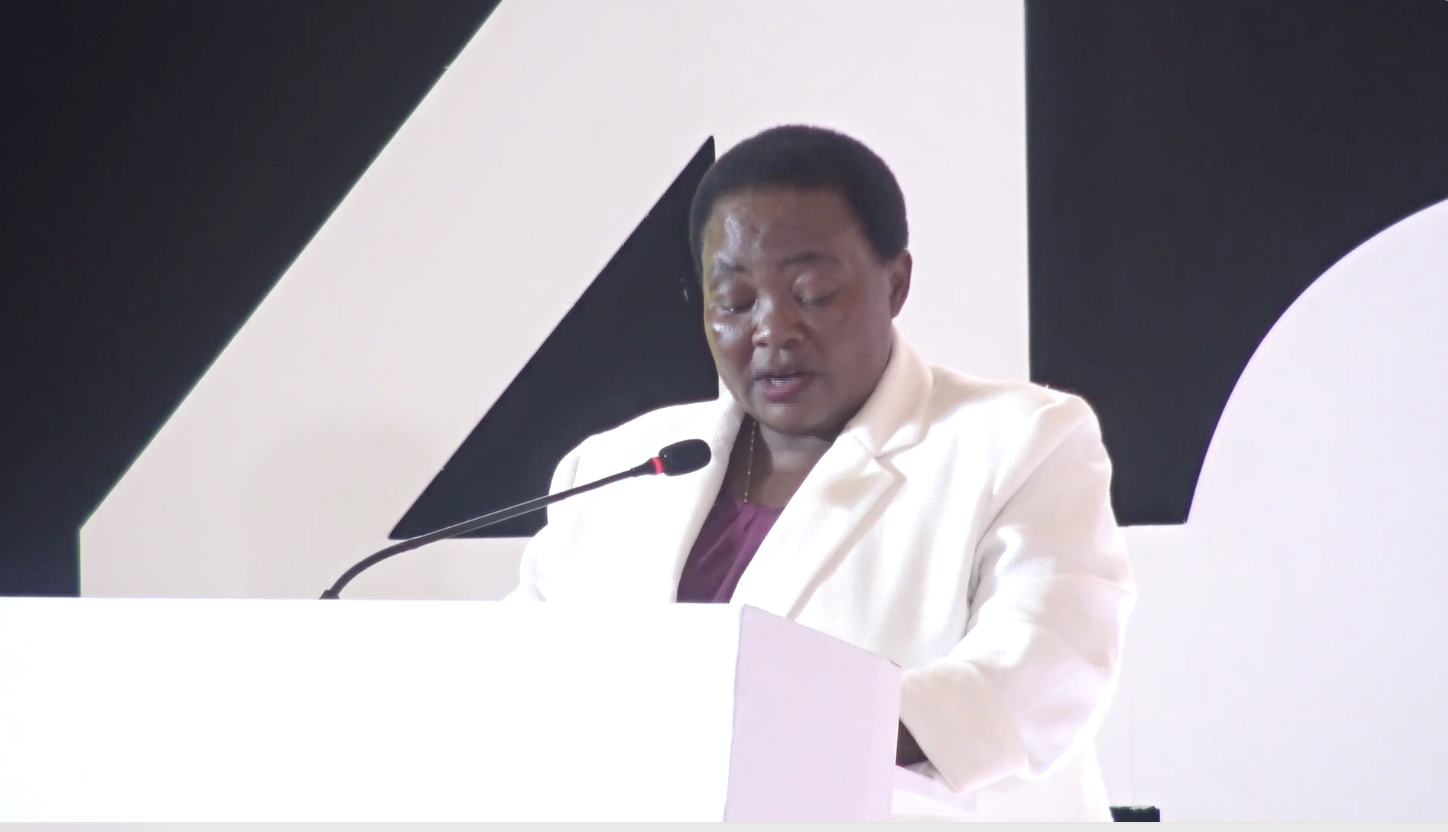
Prime Minister Robinah Nabbanja, speaking at the anniversary celebrations, did not mince words. She urged World Vision to sharpen its focus and channel its energy directly toward eliminating household poverty across Uganda. The message, as reported by NTV Uganda, was direct: the organisation needs to double down on what actually moves the needle for ordinary Ugandan families.
From War Relief to a National Institution
When World Vision first arrived in Uganda, the country was bleeding. Families were displaced, children were suffering, and the social fabric had been torn apart by years of conflict during the liberation war. The organisation stepped into that void and began doing what it does best: providing immediate relief while building toward something more lasting.
Over the following four decades, that original emergency response evolved into a sprawling network of programmes touching health, education, clean water access, and child protection. Millions of Ugandans, particularly children in rural and underserved communities, have had their lives shaped in some way by World Vision’s presence. That is not a small thing. It is the kind of institutional impact that takes generations to fully appreciate.
But anniversaries also invite honest reflection. And the honest reflection here is that despite forty years of work, household poverty in Uganda remains a stubborn, grinding reality for a significant portion of the population. The job, in other words, is far from done.
A Shifting Donor Landscape Changes Everything
Here is where the story gets complicated. The global funding environment for humanitarian and development organisations has changed dramatically in recent years. Donors, both governments and private foundations, are increasingly pulling back from traditional charity models. The days of open-ended grants with minimal accountability are largely over. Funders now want to see sustainable outcomes, measurable impact, and clear pathways to communities no longer needing external support.
This shift puts organisations like World Vision in a genuinely difficult position. They are being asked to do more with less, to prove their worth in an era of donor fatigue, and to transition from a relief-based model to one rooted in long-term community development. It is a pivot that requires strategic courage and a willingness to reimagine how the work gets done.
World Vision Uganda appears to be reading this moment clearly. The organisation has pledged to localise its interventions, a commitment that signals a move away from top-down programming toward approaches that embed ownership and decision-making within the communities themselves. Local solutions, sustained by local capacity. That is the theory, at least.
What Localisation Actually Means on the Ground
The word localisation gets used a lot in development circles, often without much concrete definition. In practice, it means shifting resources, authority, and trust toward local organisations, local leaders, and local knowledge systems. It means a World Vision that acts more like a partner and less like an outside expert flying in with all the answers.
For Uganda specifically, this approach carries real promise. The country has a young, growing population, a dynamic civil society, and communities with deep knowledge of their own challenges and assets. When development programmes tap into that existing energy rather than bypassing it, the results tend to stick. The question is whether an organisation with forty years of established systems and international structures can genuinely make that cultural and operational shift.
Prime Minister Nabbanja’s call for World Vision to intensify efforts around household poverty fits neatly into this framework. Poverty is not an abstract policy problem. It is lived at the level of individual families, specific kitchens, particular school fees unpaid and medical visits skipped. Interventions that do not reach that granular, household level rarely produce the transformational change that governments and communities actually need.
The Stakes Are Higher Than They Look
Uganda’s relationship with international NGOs is long and layered. These organisations have filled gaps that the state has not always been able to close, particularly in health and education. But there is also a growing conversation, across Africa broadly, about the sustainability of a development model built on external charity rather than internal economic growth and government capacity.
World Vision’s pledge to localise and build for long-term sustainability is a direct response to that conversation. If the organisation can genuinely shift its model over the next decade, it could serve as a compelling case study for how large international NGOs adapt in an era when the old playbook no longer works.
But if the shift is mostly rhetorical, if localisation becomes a branding exercise rather than a structural change, then forty years of goodwill could start to feel like a ceiling rather than a foundation.
The anniversary is worth celebrating. The children who received healthcare, the families who gained access to clean water, the communities that were held together during moments of crisis: that work matters and should be honoured. But the most meaningful way to honour it is to ask, without flinching, whether the next forty years will leave Uganda genuinely better off at the household level.
As donor funding tightens and the pressure to prove lasting impact grows, World Vision’s next chapter will be written not in press releases but in whether families across Uganda find themselves with more agency, more resources, and more hope than they had before. That is the standard Nabbanja is holding the organisation to. It is also the standard every Ugandan household deserves.
So here is the question worth sitting with: when the international funding eventually dries up entirely, will the systems World Vision built be strong enough to carry communities forward on their own?