










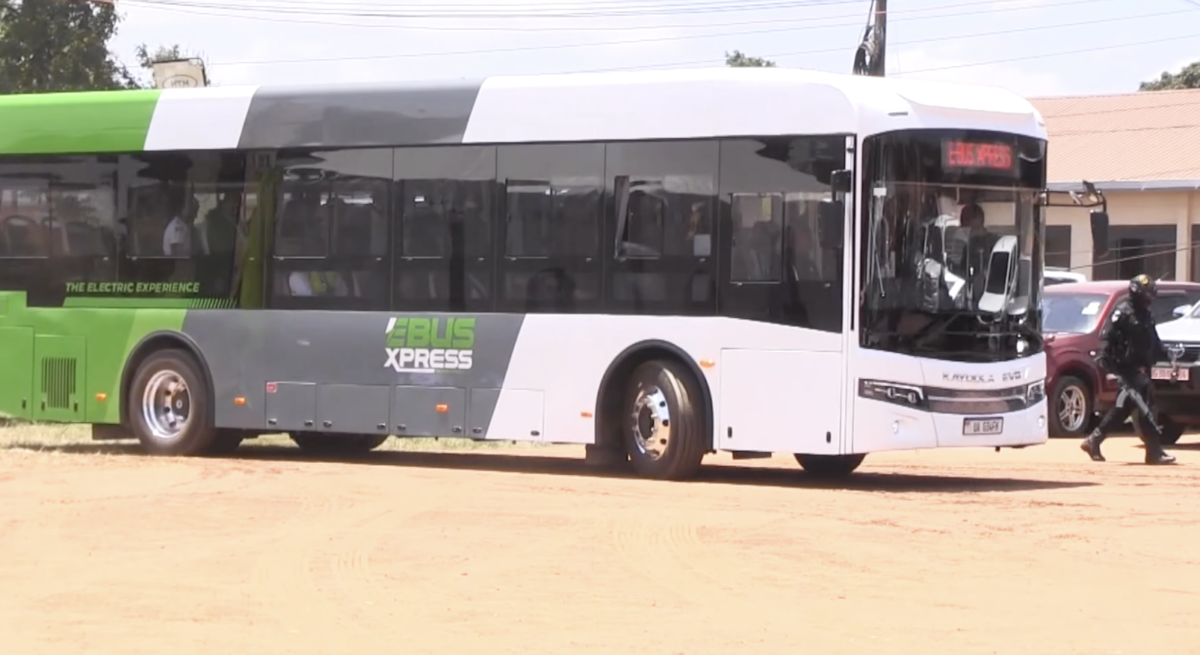
Twenty-one electric buses, built right here in Uganda, are now running through the streets of Kira Municipality, and if you’ve ever been stuck in the grinding, exhaust-choked traffic that defines daily life on Kampala’s outskirts, you’ll understand why that sentence feels like a small miracle.
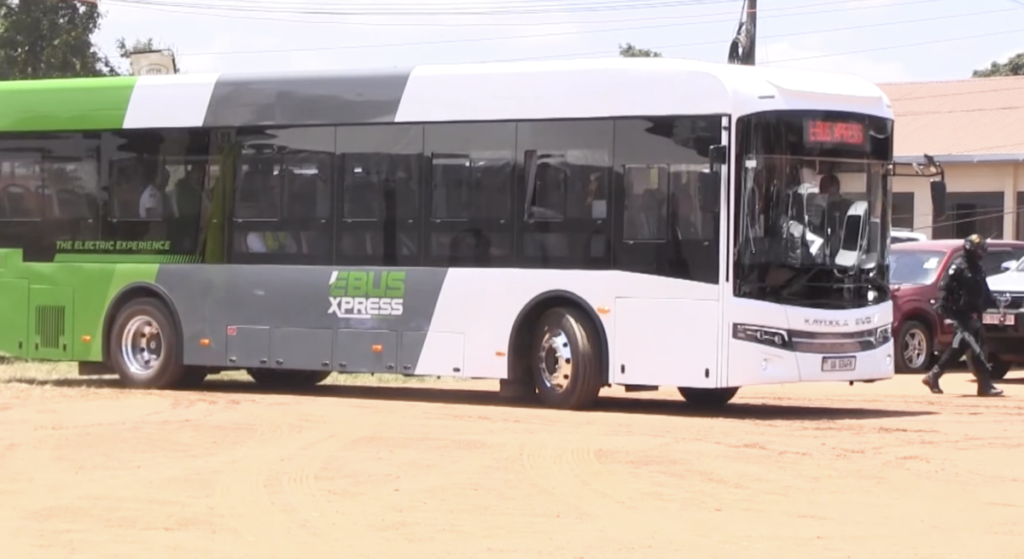
The deployment marks a significant moment in Uganda’s push toward cleaner, more efficient urban public transport. These aren’t imported vehicles ordered from a foreign catalogue. They are locally manufactured, which adds an extra layer of significance to an initiative that is as much about industrial ambition as it is about getting people from one point to another.
The Routes That Matter
The 21 buses are operating across three routes that serve some of the most densely populated and traffic-stressed corridors on Kampala’s northeastern fringes. Commuters traveling between Ntinda and Najjera, Kira, Nakwero, Sonde, Kyanja, Kungu, and surrounding areas are the primary beneficiaries. These are not quiet back roads. They are arteries that pulse with thousands of daily commuters, boda bodas weaving through gaps, and minibus taxis known locally as taxis that have, for decades, defined the chaos and character of Ugandan public transport.
For residents along these corridors, the electric buses represent something tangible: a quieter ride, reduced fumes, and the kind of structured, scheduled transport that most major cities take for granted. Whether the buses can maintain that promise of reliability over time is the question that will define this initiative’s legacy.
Government Backing and a Call for More
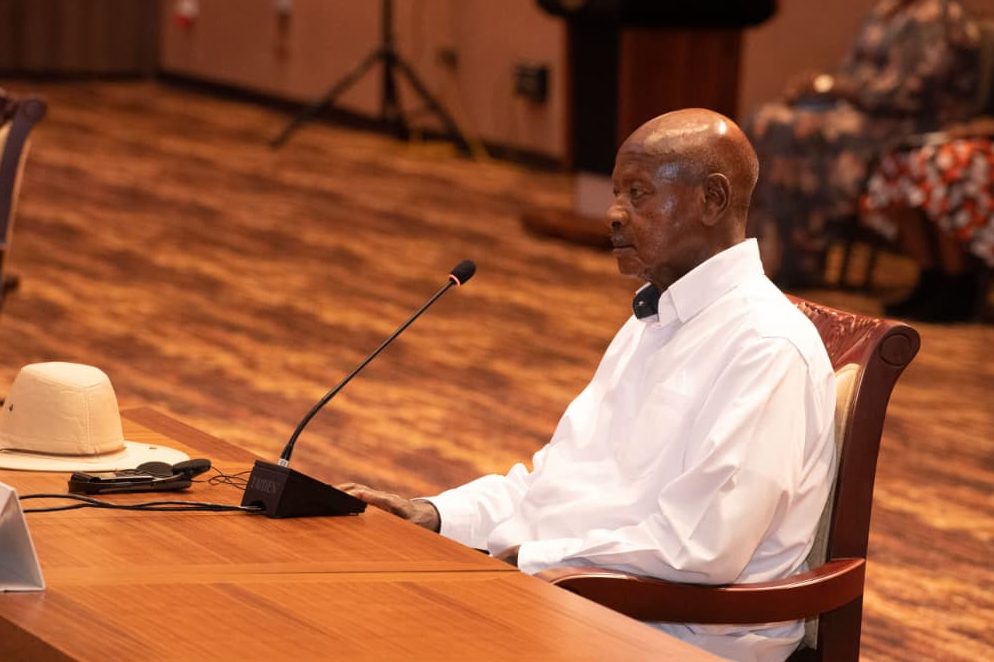
State Minister for Kampala Minsa Kabanda has welcomed the development warmly, and has not stopped at praise alone. She has called for a scaled-up rollout, pointing to the growing pressure on public transport infrastructure across the greater Kampala metropolitan area. Her position is practical: 21 buses are a start, but the demand is enormous. Kampala and its surrounding municipalities are expanding at a pace that keeps planners perpetually behind the curve.
Kabanda has also used the moment to push for the retirement of old, unroadworthy public service vehicles that continue to operate despite being mechanical liabilities on wheels. It is a long-standing problem. Many of the minibus taxis and older buses on Ugandan roads are well past their serviceable lifespan, and their continued use contributes to accidents, breakdowns that snarl traffic, and air quality that falls far short of any reasonable urban standard.
As reported by NTV Uganda, the state minister’s enthusiasm signals that this is not a one-off gesture but part of a broader government strategy to reshape public transport across urban Uganda.
Why Local Manufacturing Changes the Conversation
The fact that these buses are locally manufactured deserves more than a passing mention. Uganda has spent decades importing nearly everything that moves on four wheels, from basic sedans to heavy commercial vehicles. The emergence of a local electric vehicle manufacturing capacity, however modest at this stage, repositions the country in a conversation it has rarely been part of.
Local production means that maintenance, spare parts, and technical expertise can, in theory, stay within the country’s borders. It creates jobs in manufacturing, engineering, and servicing. It also means that as the fleet grows, the government is not entirely hostage to foreign supply chains or the fluctuating costs of importing finished vehicles. That is a structural advantage that compounds over time.
Electric vehicles themselves bring a different kind of economics. They are more expensive upfront but considerably cheaper to run. Fuel costs are replaced by electricity costs, which in Uganda, where hydroelectric power is abundant and relatively affordable, could translate into meaningful operational savings for transport operators over the long term.
The Bigger Picture: African Cities and the Electric Shift
Uganda is not alone in exploring electric mobility as a solution to urban transport headaches. Across the continent, cities from Nairobi to Accra to Johannesburg are running pilot programmes, signing deals with electric vehicle manufacturers, and grappling with the question of how to build the charging infrastructure that makes any of this viable at scale.
What makes Kira’s deployment interesting is the local manufacturing angle, which sets it apart from cities that have simply imported electric buses from China or Europe. If Uganda can build on this foundation, it has an opportunity to become one of the few African countries with a genuine domestic electric vehicle sector rather than simply becoming a new export market for the world’s EV giants.
The challenges are real. Charging infrastructure needs to grow alongside the fleet. Electricity supply, while generally reliable in Kampala, is not without its outages. Driver training, passenger awareness, and the integration of electric buses into an existing transport ecosystem dominated by informal operators all require careful, sustained management.
What Kira’s Commuters Will Feel First
On the ground, the changes will be immediate for those who board these buses. The quiet hum of an electric motor replacing the grinding diesel engine. The absence of a thick exhaust cloud at bus stops. A passenger experience that, if the vehicles are well maintained and the routes are managed properly, should feel markedly different from the cramped, loud, and often unreliable alternatives currently available.
Whether that experience holds up six months from now, or two years from now, depends on commitments that go well beyond the launch. Maintenance schedules, funding continuity, operator accountability, and political will all feed into the long-term answer.
For now, though, 21 electric buses are moving people through Kira’s streets, running on local electricity, built by local hands, and pointing toward a version of Ugandan urban life that is cleaner, calmer, and a little more hopeful than the one most commuters have grown accustomed to.
The real question is not whether electric buses can work in Uganda. These 21 are already proving they can. The question is whether Uganda will move fast enough, and boldly enough, to make them the rule rather than the exception. What do you think it will take to see electric buses across every major Ugandan city within the next five years?