









When Lee Kindell, founder and chief executive of Moto Pizza in Seattle, brought in a pair of cutting-edge pizza-making robots, he imagined a leaner, faster kitchen. What he got instead were two cabinet-sized machines, each costing $160,000, that now sit completely idle, rendered useless after their supplier pulled the plug without warning.
It is a scene that tells the broader story of an industry that promised to reshape how fast food is made but has repeatedly burned itself in the process.
A Supply Chain That Evaporated Overnight
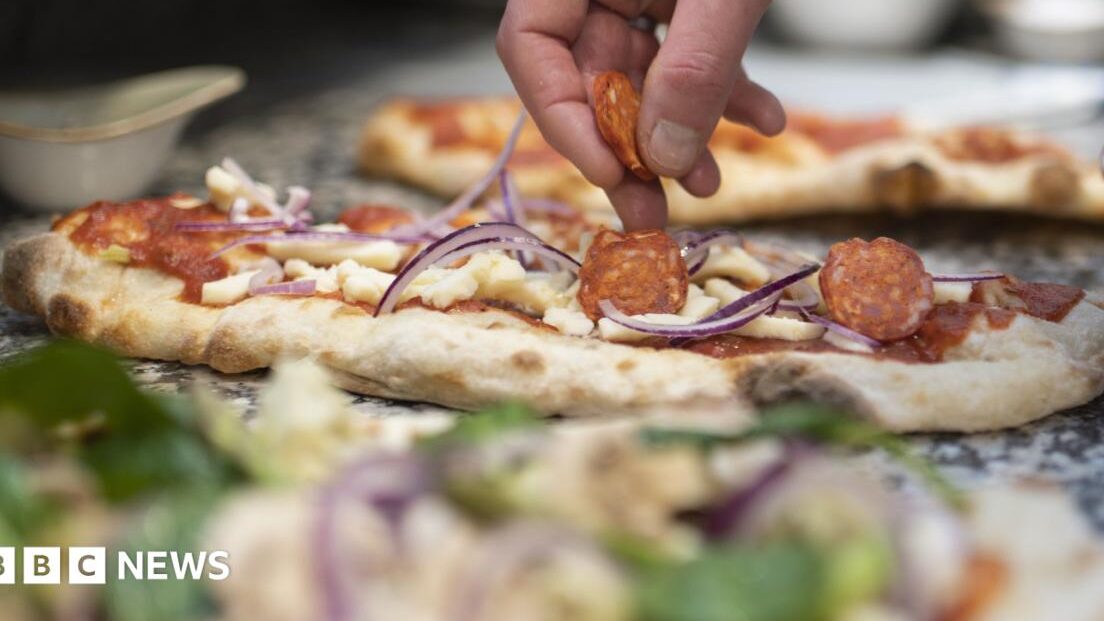
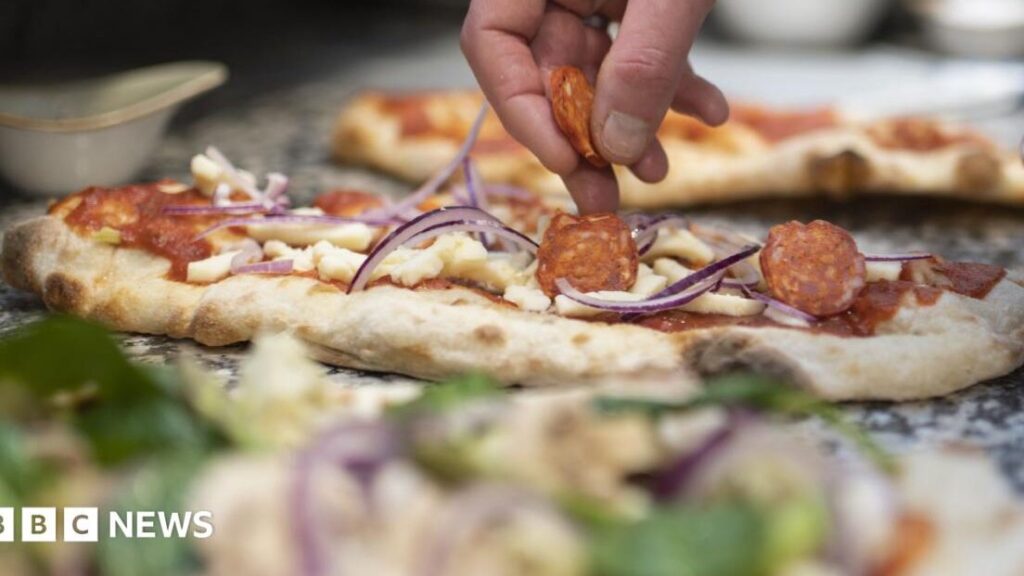
The machines Kindell invested in were built by Picnic, a Seattle-based robotics company that had positioned itself as a serious player in automated food preparation. The setup was impressive on paper: a dough feeder, sauce and cheese dispensing modules, even a pepperoni-sprinkler, all working in sequence to produce consistent, high-volume pizzas without the need for a full kitchen crew.
But in May, Picnic shut down abruptly. Technical support for Kindell’s machines vanished at that exact moment, leaving him with two extraordinarily expensive pieces of furniture and serious doubts about ever partnering with a robotics firm again. “I don’t know if I want to do a partnership again because of the failures,” he told reporters, according to a BBC investigation into the collapse of robot pizza ventures.
It is the kind of outcome that stings twice: once when you write the cheque, and again when you realise the company you trusted simply no longer exists.
A Graveyard of Good Ideas
Picnic is far from alone in this particular culinary cemetery. The robot pizza space has accumulated a striking number of casualties over a relatively short stretch of time.
Zume was perhaps the most high-profile collapse. The company raised hundreds of millions of dollars on the promise of AI-powered pizza trucks that could bake pies on the road during delivery, and then quietly dismantled that vision as the economics refused to cooperate. Pazzi, a French startup, deployed robotic arms to assemble and cook pizzas in automated kiosks, generating significant media attention before that model too ran out of road. Basil Street tried the vending machine angle, placing automated pizza units in airports and other high-traffic locations, with similarly disappointing results.
Each company arrived with conviction. Each found that putting a robot in charge of a pizza is considerably harder than it looks.
Why Fast Food Isn’t as Easy to Automate as Everyone Thought
There is a persistent assumption in the technology world that repetitive physical tasks are low-hanging fruit for automation. Assemble the same product, in the same order, thousands of times a day. How difficult could it be?
The answer, as the pizza industry has discovered, is: very.
Food preparation involves an enormous number of variables. Dough consistency changes with temperature and humidity. Sauce spread depends on viscosity. Toppings need to be distributed in ways that feel human and generous, not mechanical and sparse. Customers are also deeply unforgiving when the product looks like it came off an assembly line, even if that assembly line cost a quarter of a million dollars.
Beyond the technical challenges, there is the question of economics. Robots require significant upfront capital investment, ongoing maintenance, software licensing, and the kind of technical support that, as Kindell discovered, can disappear overnight if the supplier faces financial trouble. When you stack those costs against the wages of entry-level kitchen staff, the numbers often fail to justify the switch.
The Jobs Question Nobody Wants to Answer
There is another dimension to this conversation that the industry has largely sidestepped: the human cost. Pizza restaurants, like much of the hospitality sector, provide a significant number of entry-level jobs. These are positions that offer young people, career changers, and workers without formal qualifications a way into the workforce.
Automating these roles does not simply make a business more efficient. It removes rungs from an economic ladder that a lot of people depend on. Whether that trade-off is worth making, particularly when the technology has proven this unreliable, is a question that investors and restaurant owners have been slow to grapple with honestly.
What the Analysts Are Saying
Sara Senatore, a senior restaurants analyst at Bank of America, has been watching this space closely. Her employer holds financial interests in several major pizza chains, including Papa Johns and Domino’s, so she has plenty of reasons to want automation to work. But she is clear-eyed about where things stand.
“We haven’t yet seen any of the success stories materialise the way some people thought they would,” she said, in what amounts to a generous summary of an industry that has largely failed to deliver on its core promise.
That does not mean automation in food service is dead. Simpler, narrower applications, like automated beverage dispensing, fry management, or inventory tracking, have shown more durable results. But the dream of a fully robotic kitchen that can produce a complex, customisable product at scale and at a price that actually makes business sense remains stubbornly out of reach.
Where Does the Industry Go From Here?
For Kindell, the immediate question is far more practical: what do you do with $320,000 worth of robot hardware that no longer has a support network? There is no obvious answer. Selling the machines is difficult when the company that made them no longer exists. Repurposing them for other tasks is not straightforward either, given how specialised pizza-making equipment tends to be.
His experience should serve as a serious warning to any restaurant owner who is being pitched on the next generation of kitchen automation. The technology might be impressive in a demo. The sales pitch will certainly be polished. But the question of what happens when the startup behind it runs out of funding is one that needs a very clear answer before a single cheque is written.
The robot pizza revolution was supposed to be the moment that fast food shed its reliance on human labour and entered a new age of machine precision. Instead, it has produced a series of expensive lessons about the gap between what technology promises and what it can actually deliver when it meets a commercial kitchen, a demanding customer base, and the brutal economics of the restaurant business.
So here is the question worth sitting with: if some of the best-funded and most technically ambitious startups in the world could not make robotic pizza work, what does that tell us about the broader rush to automate jobs we assume are simple?