










Uganda’s new Parliament Chamber is no longer a distant promise on an architect’s render. As of August 2026, the structure stands at 63% overall completion, with roofing work now actively underway and a bold acceleration plan in place to hand over the Plenary Chamber to lawmakers by 31 August 2027, a full four months before the original contractual deadline.
The figures come from a project status report prepared by the on-site team and supervising consultants, Ssentoogo and Partners, and they tell a story of a project that has turned a corner. After earlier concerns about pace, the numbers are now moving in the right direction, and the physical evidence on site backs that up.
Steel at the Apex, Glass at the Gate
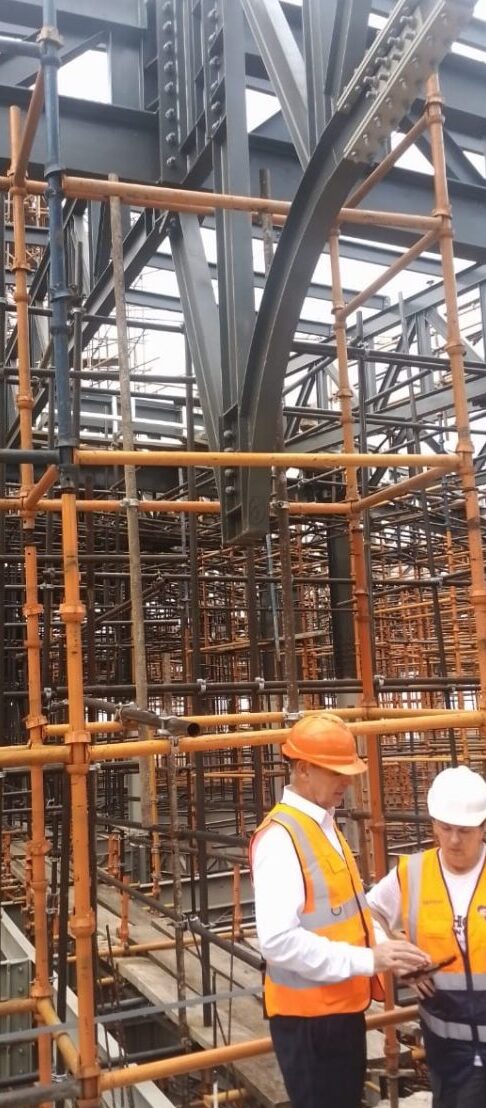
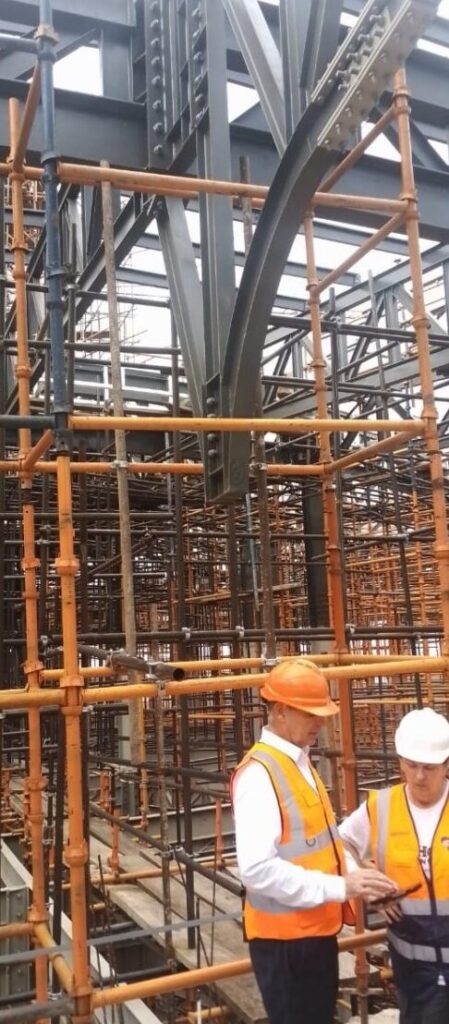
The single most visible sign of progress is structural steel that has climbed all the way to the apex of the roof. That milestone matters not just symbolically but practically. It means the building’s skeleton is complete enough to begin sealing the structure from the elements, which is precisely what workers are doing right now.
Roofing materials and skylight panels are already sitting on site, ready to be installed. So is the aluminium and laminated glazing for the curtain walls, the blast-resistant glazing for the façade, and all nine lifts for the building. The target for completing the roof covering is 11 October 2026, a date the project team clearly regards as a turning point, because once the building is weather-tight, interior finishing teams and specialist contractors can get to work without being at the mercy of Kampala’s rainy seasons.
Major reinforced concrete works forming the structural frame of the new Chamber are also described as largely complete. Installation of aluminium profiles for the laminated glazing curtain walls is ongoing. Put all of that together and you have a building that is, in the most literal sense, closing itself in.
How the 63% Figure Is Actually Calculated
Worth noting: the 63% completion figure is not simply the percentage of physical brickwork done. According to the report, it accounts for physical works on site, materials already delivered to the site, and procurements made by the contractor, ROKO Construction Ltd. That is a fuller, more honest measure of where a project actually stands, rather than just counting walls and floors.
ROKO Construction is no stranger to large-scale Ugandan infrastructure, and the involvement of Ssentoogo and Partners as supervising consultants adds a layer of professional oversight that the project team appears to be leaning on heavily to maintain momentum.
What Changed? Follow the Money
Progress on major construction projects rarely improves on its own. Behind the better numbers here is a specific set of financial interventions. The project report is candid about this: additional secured advance funding and direct payments to critical subcontractors and suppliers were introduced as mitigation measures, and those measures are working.
The report states plainly that the improved pace is evidence these interventions are “yielding positive results.” In plain language, subcontractors who were previously waiting on payments are now getting paid directly and on time, which means they are showing up and delivering. It is a straightforward lesson in project management that applies well beyond Uganda’s parliament buildings: money flowing freely through the supply chain keeps cranes moving.
Two Deadlines, One Priority
The overall contractual completion date for the full project remains 30 December 2027. But the acceleration programme has introduced a sharper near-term target: substantial completion of the Plenary Chamber and the essential support facilities it needs to function, by 31 August 2027.
This split-deadline approach is pragmatic. A parliament building is not just a plenary hall. It includes committee rooms, offices, press facilities, public galleries, and dozens of other spaces. By carving out the chamber itself as the priority, the project team gives Uganda’s lawmakers the possibility of an early move-in, while finishing the rest of the complex around them. It is the kind of phased thinking that keeps a project from letting the perfect become the enemy of the functional.
What This Means for Uganda
A new parliament chamber is not merely a construction milestone. It is a statement about institutional permanence and national ambition. Uganda’s current parliamentary facilities have served their purpose, but a modern, purpose-built chamber signals something to both citizens and the wider world: that the country’s legislature is being equipped for the decades ahead, not just patched up for the present.
The blast-resistant glazing on the façade is a detail worth pausing on. It reflects the security requirements of a post-9/11 world, where government buildings everywhere are designed to withstand threats that would have seemed remote a generation ago. That such specifications are baked into Uganda’s new chamber from the ground up is a sign of serious, internationally-informed design thinking.
With the roof going on in October and the Plenary Chamber targeted for readiness in August 2027, the next twelve months will be the most consequential for this project. Whether the momentum holds will depend on continued financial discipline, supply chain management, and the kind of professional oversight that the current team appears to be providing.
Uganda’s lawmakers may be sitting in a very different room this time next year. The question worth asking is: what kind of governance will they bring into it with them?