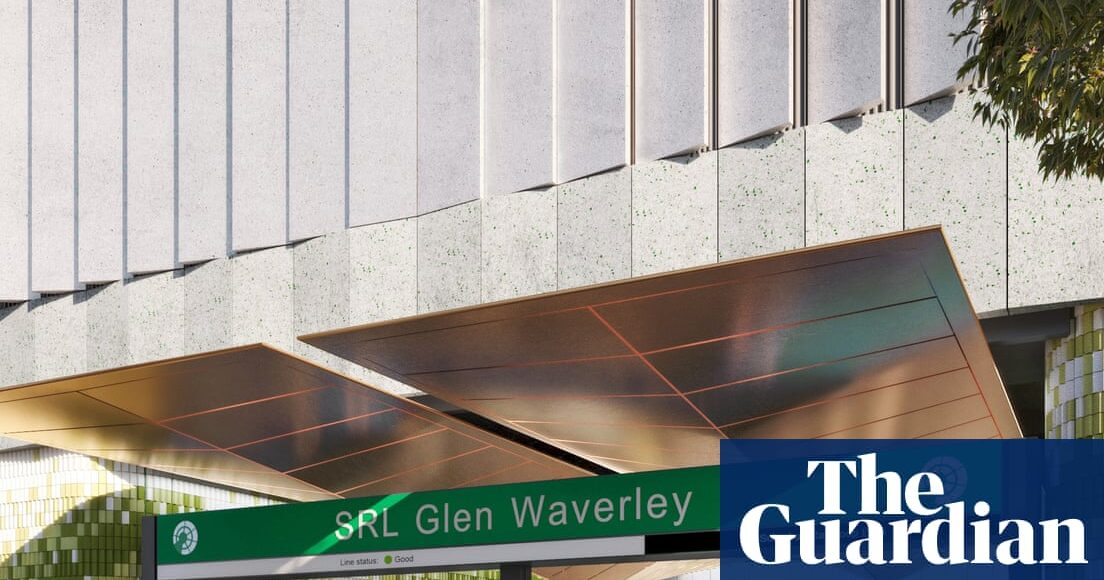
Ben Carroll, Victoria’s premier, stood before cameras on Tuesday and delivered what he likely hoped would read as steady, responsible governance. Instead, his announcement of scaled-back plans for the state’s most ambitious infrastructure project ignited criticism from all corners, with the opposition wasting little time branding the move as “incredibly unimpressive and underwhelming.” The optics were never going to be kind, not after Carroll had spent the previous day hinting that other priorities might take precedence over the rail loop entirely.
What Actually Changed
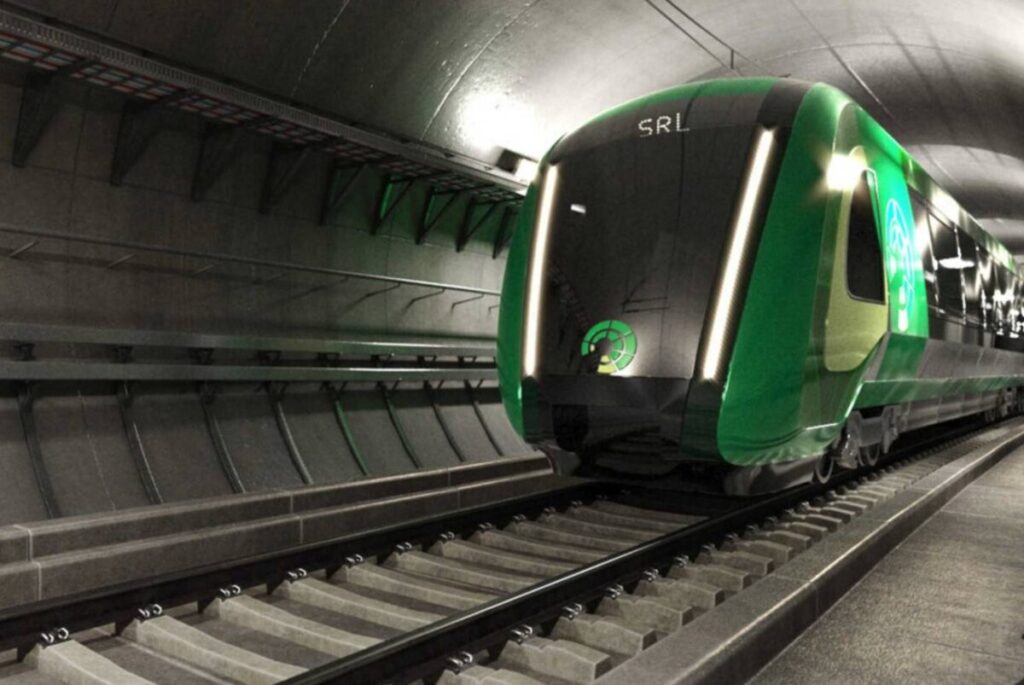
The project at the centre of this political storm is the Suburban Rail Loop East, a 26-kilometre stretch of underground tunnels running between Cheltenham and Box Hill. It carries the distinction of being the largest infrastructure undertaking in Victorian history, which makes any adjustment to its scope a significant moment, regardless of how it’s packaged.
Carroll’s revised plan involves scaling back the number of new train stations along this first stage of the loop. The savings from that reduction are estimated at just over $1 billion, which sounds substantial until you consider the project’s colossal overall price tag. That trim amounts to a little over 5% of total costs, a figure the opposition seized on immediately as evidence the government lacks a coherent plan for bringing this project under control.
Carroll also announced an independent technical review designed to find a further $1 billion in savings, signalling that the cost conversation is far from over. Whether that review delivers on its promise or becomes another layer of delay is the question infrastructure watchers will be tracking closely over the coming months.
The Pause That Wasn’t
The real story here is not the savings figure. It is the 24-hour window between Carroll suggesting other projects were more important to Victorians and him then confirming the rail loop would proceed. That kind of public wavering is unusual for a sitting premier on a project of this scale, and it handed critics a loaded weapon.
As reported by The Guardian, the about-face was swift enough to raise genuine questions about the internal decision-making process surrounding the SRL. Did Carroll receive push-back from within his own government? Was the hint of a pause a negotiating tactic, a genuine reconsideration, or simply an unguarded moment in front of journalists? None of those explanations are particularly reassuring.
For a project already scrutinised over its eye-watering cost projections, this kind of visible indecision feeds a narrative the government has been fighting for some time: that the SRL is a political vanity project rather than a carefully managed public investment.
The Opposition’s Opening
Victoria’s opposition has been waiting for exactly this kind of moment, and they moved quickly. Labelling the announcement “incredibly unimpressive and underwhelming” is pointed language, but it lands because the mathematics back it up. A 5% reduction on a project of this magnitude is unlikely to satisfy voters who have watched state debt climb and budget pressures mount across essential services.
The opposition’s critique also has a structural advantage. They do not have to propose an alternative right now. All they need to do is point at the gap between the scale of the original promise and the modest nature of Tuesday’s adjustment. That contrast does the work for them.
This is a classic infrastructure politics trap: governments that announce transformational projects get credit at the ribbon-cutting moment, then absorb years of punishment every time costs rise or timelines slip. Carroll inherited a project already well into that cycle, and Tuesday’s announcement suggests he has not yet found a way to reset the narrative around it.
Why the SRL Still Matters
Strip away the politics and the SRL East corridor still represents a genuinely significant piece of long-term thinking for Melbourne’s transport network. Connecting the south-eastern suburbs to the eastern corridor underground, bypassing the congested city loop, addresses a real and growing problem for a city whose population continues to expand rapidly outward.
The argument for the project has always been generational: the inconvenience and cost of building it now will be repaid many times over by a functional orbital rail network that reduces car dependence and connects suburban employment hubs. That case remains valid regardless of who is premier or what the current budget looks like.
What has changed is the political environment around it. Cost-of-living pressure, tighter state finances, and a more sceptical electorate mean that generational arguments require a lot more supporting evidence than they once did. Victorians want to know not just that the project is worthwhile in theory, but that it is being built by a government that knows what it is doing.
What Comes Next
The independent technical review Carroll ordered will now become a focal point. If it produces credible, specific savings recommendations, the government gets a chance to reframe this as disciplined project management. If it becomes a drawn-out process that yields vague suggestions, it will be treated as political theatre designed to delay hard decisions.
The premier also faces the challenge of holding together political support for a project that is still years from completion. Every budget cycle brings fresh opportunity for the opposition to argue the money would be better spent elsewhere, and Tuesday’s stumble has given that argument new life.
For Carroll personally, the coming weeks matter. Premiers can recover from awkward announcements, but recovery requires a follow-up performance that reads as confident and in control. The next update on the SRL, whether that comes through the technical review or the next budget, will say a great deal about whether his government has genuinely steadied the ship or simply bought itself a brief reprieve.
Victoria’s rail future may well depend on a tunnel beneath its south-eastern suburbs. Right now, though, the more urgent question is whether the people building that future can convince anyone they have a firm hand on the wheel. So here is what we want to know: is a 5% cost reduction on a generational infrastructure project a sign of responsible governance, or simply a government hoping nobody does the maths?