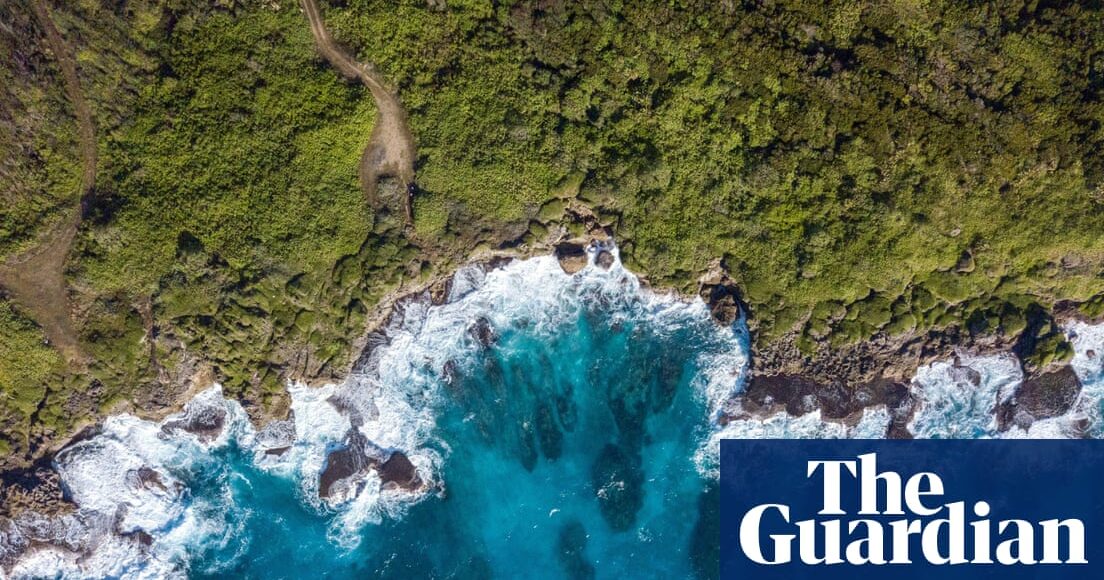
A federal agency under the US Department of the Interior released a proposal this week to auction off deep sea mining leases covering 28 million hectares of seafloor near the Northern Mariana Islands and Guam, triggering swift and pointed opposition from the very Pacific territories whose waters are at the center of the plan. The announcement, made on Tuesday, August 24, 2026, by the Marine Mineral Administration, frames the initiative as a strategic move in an intensifying competition with China over critical ocean minerals. The communities living closest to these waters, however, are not convinced the trade-off is worth it.
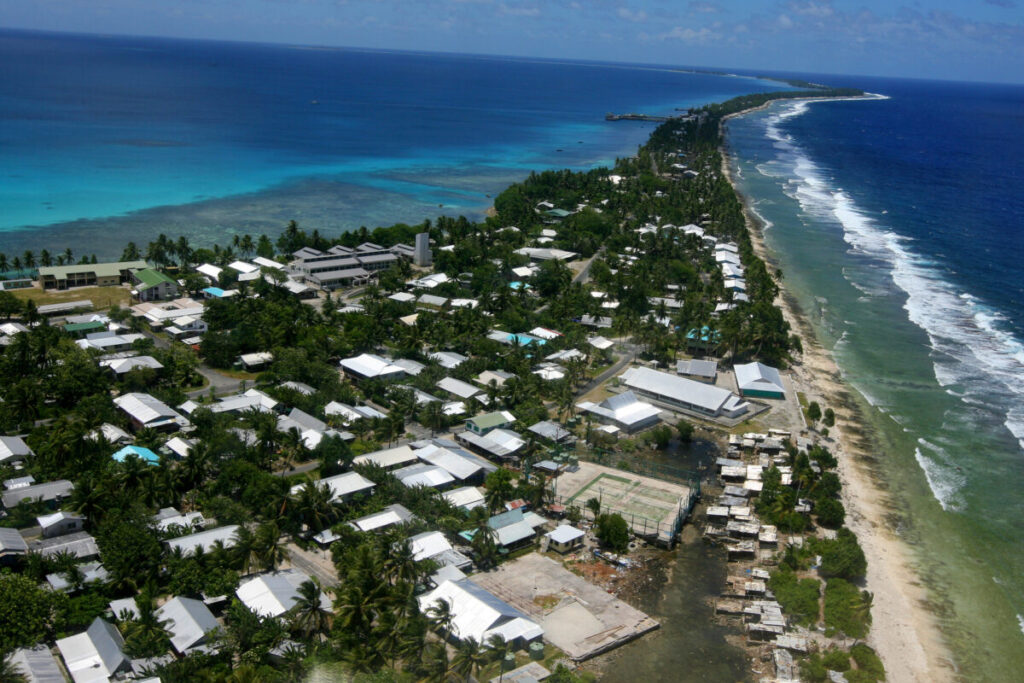
What Washington Is Proposing
The Marine Mineral Administration, operating under the US Department of the Interior, has put forward a leasing framework that would open roughly 69 million acres of Pacific seabed to commercial deep sea exploration and extraction. The targeted zone sits off the coasts of Guam and the Northern Mariana Islands, two US territories that occupy a strategically significant corner of the western Pacific.
The waters in question aren’t just any stretch of ocean. This region borders the Mariana Trench, the deepest point on the planet, an environment so extreme and so poorly understood that scientists continue to discover species there that exist nowhere else on Earth. The seabed in this part of the Pacific is believed to hold significant deposits of polymetallic nodules and other mineral formations containing cobalt, nickel, manganese, and rare earth elements, all materials that are increasingly critical to battery manufacturing, defense technology, and the broader clean energy transition.
According to reporting by The Guardian, the Trump administration sees this mineral race as urgent, with China already moving aggressively to secure access to deep sea resources through its own national programs and international agreements.
The Territories Hit Back
The response from Guam and the Northern Mariana Islands has been clear: they did not ask for this, and they are not ready to accept it quietly. Both territories have raised objections to a process that, from their perspective, treats their surrounding ocean as a resource to be auctioned off to the highest bidder without adequate consultation with the people who live there.
The frustration is layered. These are US territories, meaning their residents carry American nationality but lack full congressional representation and voting rights in presidential elections. That political reality makes it structurally harder for island communities to push back against federal decisions that affect their coastlines, their fishing industries, their cultural relationships with the ocean, and their long-term environmental future.
For generations, the people of the Northern Mariana Islands and Guam have maintained deep cultural and economic ties to the Pacific Ocean. Fishing is not simply a livelihood for many families here; it is woven into identity, tradition, and food security. The idea that the federal government could lease out tens of millions of hectares of nearby seabed without their meaningful consent strikes many residents as a continuation of a long pattern of decisions being made about them, not with them.
The Geopolitical Pressure Behind the Push
To understand why Washington is moving so fast, you need to look beyond the ocean floor and toward the broader strategic picture. China has been positioning itself as a dominant force in critical mineral supply chains for years, and the deep sea is the next frontier in that competition. Beijing has secured exploration licenses through the International Seabed Authority for large swaths of the Pacific and Atlantic ocean floors, giving Chinese state-owned enterprises a head start in mapping, sampling, and eventually extracting these resources.
The Trump administration’s approach appears to operate from the premise that the United States cannot afford to let China establish unchallenged dominance over mineral deposits that could power everything from electric vehicles to military hardware. From that vantage point, the Pacific seabed near Guam and the Northern Mariana Islands is not just an ecological zone; it is strategic terrain.
That logic, however compelling it may seem in a Washington boardroom, lands differently in Saipan or Hagatna, where the conversation tends to start with what happens to the reef, the fish, and the water that communities depend on.
What Deep Sea Mining Actually Does
The science on deep sea mining’s environmental consequences remains genuinely contested, though the concerns are serious. Extracting nodules from the ocean floor involves heavy machinery that physically disturbs sediment layers built up over millions of years. Sediment plumes can travel vast distances through the water column, potentially smothering filter feeders, disrupting food webs, and affecting fish populations in ways that ripple far from the extraction site.
Recovery timelines for disturbed deep sea ecosystems are measured not in years but in centuries, if they recover at all. The biodiversity of the deep Pacific is still being catalogued; scientists periodically discover organisms in the Mariana Trench region that have no known relatives anywhere else. Once industrial extraction begins in a zone, whatever was living there before is largely gone.
Environmental groups have long argued that approving commercial deep sea mining before comprehensive baseline studies are complete is a gamble with consequences that future generations will inherit. The communities of Guam and the Northern Mariana Islands appear to share that concern, and they are not inclined to absorb the risk so that mainland interests can profit from what lies beneath their waters.
A Pattern Bigger Than One Proposal
This dispute fits into a much wider conversation about how the United States treats its territories when resource extraction, military expansion, or federal policy collides with local interests. From the Bikini Atoll nuclear tests that displaced Marshallese communities to the ongoing debates over military land use in Guam, the Pacific has a long history of being treated as a space for American strategic ambitions rather than as a home for people with rights and voices.
The deep sea mining proposal arrives at a moment when Pacific Island communities are already navigating the accelerating effects of climate change, rising sea levels, and ocean warming. Adding industrial seabed extraction to that equation, without genuine partnership with local governments and communities, risks compounding vulnerabilities that these populations are already working hard to manage.
Whether the Marine Mineral Administration’s leasing framework advances as proposed or gets modified under pressure remains to be seen. Federal agencies are generally required to accept public comments on proposals like this, which gives affected communities a formal channel to register their opposition. Whether that process meaningfully shapes the final outcome is a different question entirely.
As the race for the ocean floor heats up between the world’s two largest economies, one thing is becoming clear: the people who live closest to these waters want a seat at the table, not just a notification that the auction has begun. The question worth sitting with is this: when a nation justifies stripping the sea floor in the name of national security, who decides which communities bear the cost, and do they ever actually get to say no?