
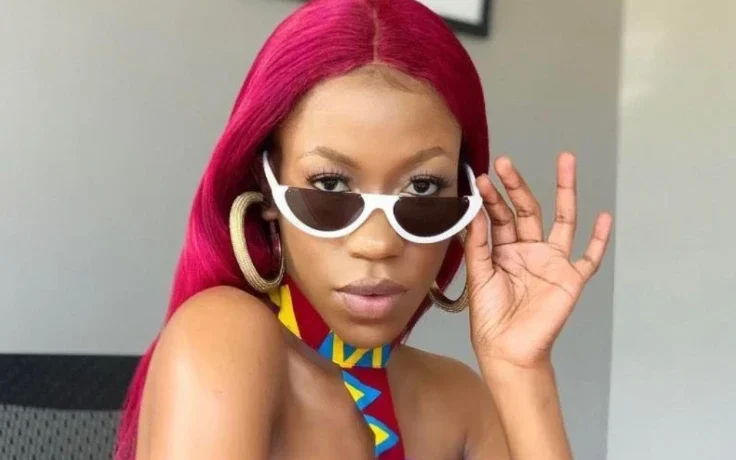
It takes a particular kind of stubbornness to put on a concert when a vocal section of your fanbase has publicly called for people to stay home. Vinka did exactly that at Lugogo Cricket Oval earlier this month, delivering a show that, by most accounts, landed well. But the noise surrounding the event did not disappear with the final note. Now, fellow Ugandan artist Yung Mulo has entered the conversation, drawing a firm line between personal grievances and political mandates.
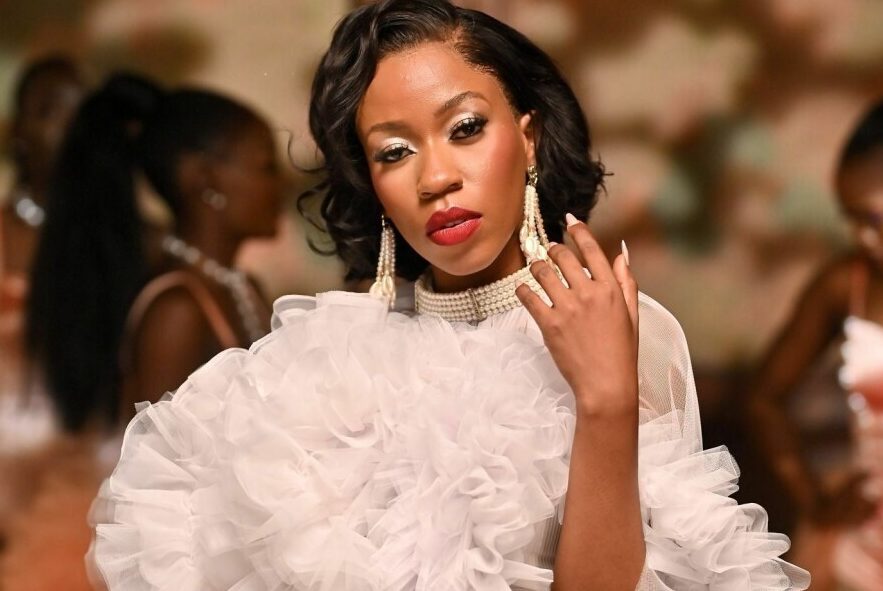
What Started the Boycott Campaign
The backlash against Vinka traces back to the January 2026 general elections. During that period, Vinka stood publicly beside her husband, Nelly Witta, who is associated with the National Resistance Movement, commonly known as the NRM. For supporters of the National Unity Platform, a party that has become something of a cultural identity marker for a generation of young Ugandans, that association stung. The calls to boycott her concert were quick to spread across social media, framing attendance as a political statement, or at minimum, an uncomfortable compromise.
The campaign put Vinka in a position that many artists across the world have faced in increasingly polarised times: the question of whether personal relationships and political affiliations can or should be separated from artistic identity. For her part, she did not blink. The concert went ahead, and audiences showed up.
Yung Mulo Weighs In
Commenting on the controversy, as reported by Mbu Uganda, Yung Mulo made a distinction that cut to the heart of the debate. He acknowledged that fans have every right to decide which artists they support and which events they attend. That is a personal freedom no one can argue with. But he was equally clear that the boycott campaign reflected the views of individual people, not the official position of the National Unity Platform as a political organisation. That is a meaningful difference, and one worth sitting with.
What Yung Mulo was pointing at is something that gets lost in the speed of social media pile-ons: the difference between a political party’s formal stance and the organic outrage of its supporters. The two can look identical online, especially when enough people are saying the same thing at the same volume. But they are not the same thing, and conflating them does a disservice to both the party and to honest political discourse.
Art, Loyalty, and the Politics of Personal Life
There is a broader cultural question buried under all of this, and it deserves some air. When does an artist’s personal life become political, and when does it remain private? Vinka did not campaign for a candidate. She supported her husband. That her husband’s political associations placed her in the crosshairs of a boycott campaign says less about Vinka than it does about how deeply political identity has saturated everyday life in Uganda right now.
This is not unique to Uganda. Artists globally have faced fan backlash for relationships, family ties, and personal associations that spill into political territory. In some cases, the criticism is warranted. In others, it stretches the idea of accountability into places it probably should not go. The Vinka situation sits somewhere in that uncomfortable middle ground.
What is notable, and perhaps instructive, is that the concert succeeded anyway. Whatever the social media temperature was before the show, enough people decided that a night of good music was not a political betrayal. Audiences vote with their feet, and on the night, they chose entertainment.
The Responsibility of Influence
Yung Mulo’s intervention is itself worth examining. Artists speaking up for other artists is not especially common in Uganda’s music industry, where public silence is often the safer option during politically charged moments. His willingness to address the boycott directly, and to do so with nuance rather than inflammatory rhetoric, adds something constructive to a conversation that has mostly been heat without light.
His point about personal choice is well taken. Fans should never feel coerced into attending any event. But the coercion was arguably flowing in the other direction, with public pressure being applied to discourage attendance. That dynamic is worth scrutinising regardless of which political community it comes from.
Music has always existed in relationship with power and politics, from protest songs to anthems of celebration. But it works best when it remains a space where people can choose their own meaning, rather than having that meaning assigned to them by someone else’s loyalty test.
So here is the question worth asking after the Lugogo dust has settled: should an artist’s personal life and family relationships ever be grounds for a public boycott, or does that kind of political litmus test ultimately hurt the culture more than any politician ever could?