







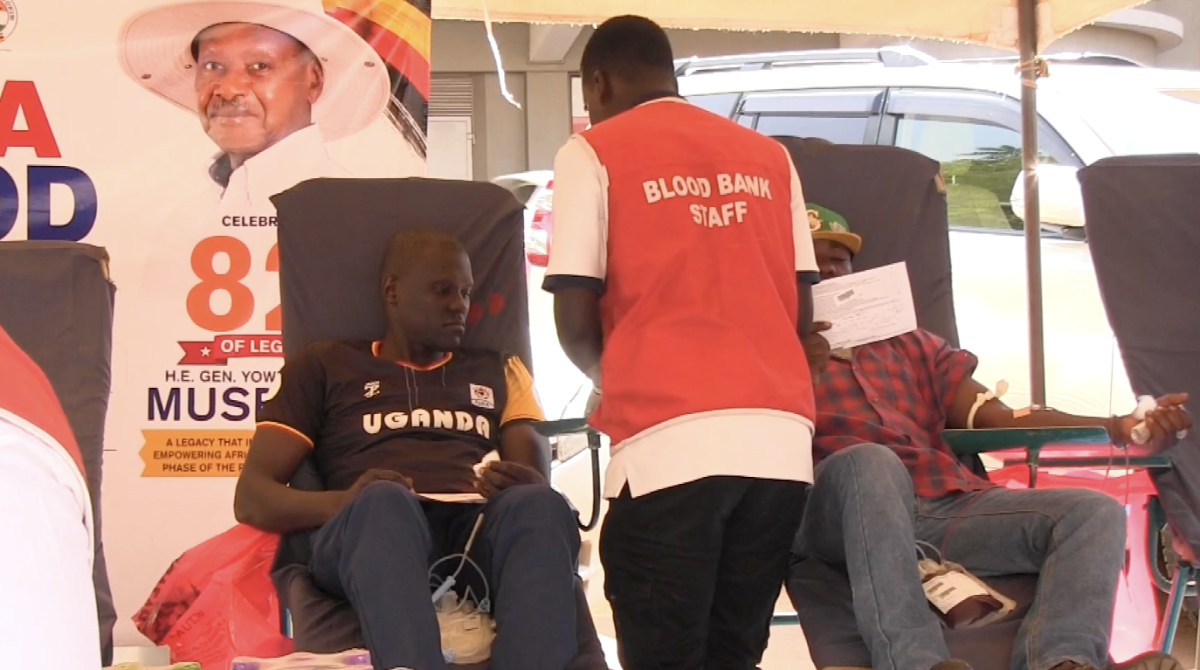
A critical shortage is quietly looming over Uganda’s hospitals, and the clock is ticking. Uganda Blood Transfusion Services (UBTS), working alongside Bank of India, has launched a month-long national blood donation campaign with an ambitious target: 30,000 units collected before the shortage bites. The timing is deliberate, the urgency very real.
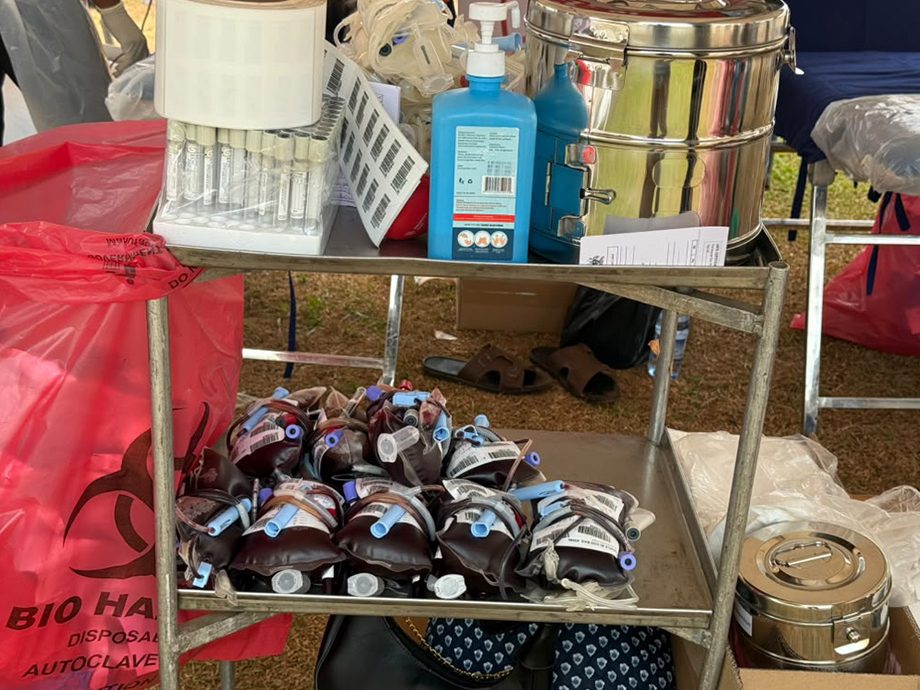
Why Now? The Student Holiday Problem
Here is something most people never think about: the health of Uganda’s blood supply is, to a striking degree, carried on the shoulders of students. Schools and universities across the country represent one of the largest and most reliable pools of donors that UBTS taps into throughout the year. When academic institutions break for holidays, that pipeline dries up almost overnight.
Lillian Nantambi, a senior blood transfusion recruiter at UBTS, confirmed what health workers have long known: students are the backbone of regular donations, and their absence during school breaks creates a gap that the system simply cannot absorb without intervention. The national blood drive is a direct response to that recurring vulnerability, designed to pull in donors from the wider public to fill the void left by students heading home.
It is a structural problem that plays out every year, in every country with a similar donation model. But Uganda’s particular dependence on student donors makes the holiday period genuinely dangerous for patients who need transfusions, from mothers in maternity wards to road accident victims arriving at emergency units with no time to spare.
An Unusual Partnership Adds Muscle to the Mission
What makes this campaign stand out beyond the numbers is the partnership behind it. Bank of India has co-organised the drive alongside UBTS, a collaboration that ties neatly into the Indian community’s Independence Week celebrations taking place across Uganda. It is a meaningful convergence: a cultural milestone channelled into something with immediate, life-saving consequences for ordinary Ugandans.
Corporate partnerships in public health campaigns are not a new idea, but they work. Financial backing, logistical support, and the ability to mobilise employee networks can dramatically expand the reach of a drive that might otherwise stay confined to hospitals and clinics. Bank of India’s involvement signals that this campaign has ambitions beyond the usual public service announcement; it wants boots on the ground, donor beds filled, and bags of blood on the shelf.
The 30,000-Unit Target: What Does That Actually Mean?
Thirty thousand units sounds like an abstract figure. It is not. A single unit of whole blood, roughly 450 millilitres, can be separated into red cells, platelets, and plasma, meaning one donation can potentially help up to three different patients. Run that arithmetic and 30,000 donations could touch the lives of close to 90,000 people, perhaps more. In a country where blood shortages have historically forced surgeons to delay operations and left patients’ families scrambling to find donors on short notice, hitting that target would be genuinely significant.
Uganda’s Ministry of Health has for years advocated for voluntary, non-remunerated blood donation as the gold standard, moving away from a system that once relied heavily on family replacement donors and, in some cases, paid donors. Voluntary donation produces safer blood. People who give freely, without financial incentive, are statistically less likely to conceal high-risk behaviours that could compromise blood quality. A campaign that draws thousands of new voluntary donors into the system is not just filling a temporary gap; it is building long-term infrastructure.
Who Can Donate, and Why More People Should
The barriers to donating blood are far lower than most people imagine. In Uganda, healthy adults between 16 and 65 years old, weighing at least 50 kilograms, are generally eligible to donate. The process takes under an hour from registration to the moment a donor walks out the door. The needle is a brief discomfort. The recovery is fast. The body replenishes the donated volume within 24 to 48 hours and replaces red blood cells within a few weeks.
Yet donation rates in sub-Saharan Africa remain stubbornly low by global standards. The World Health Organization has long recommended a donation rate of at least 10 units per 1,000 people annually to meet a country’s basic needs. Most countries in the region fall short of that benchmark. Awareness, accessibility, and cultural hesitation all play a role. Campaigns like this one are partly about collecting blood and partly about shifting the social norm, making donation feel less like a medical procedure and more like a regular civic act, as ordinary as paying a utility bill.
What Happens If the Target Is Missed
The consequences of falling short are not theoretical. When blood banks run low, healthcare workers face impossible choices. Elective surgeries get postponed. Obstetric emergencies become far more dangerous. Children with sickle cell disease, who may need regular transfusions to manage their condition, suffer most acutely. The ripple effects move fast through a health system that already operates under significant pressure.
This is why a month-long drive is smarter than a single collection day. It gives the campaign time to reach different communities, correct the early shortfalls, and keep momentum going. A rolling drive allows organisers to track progress, identify gaps, and intensify outreach in areas where response has been weak.
How You Can Help Right Now
If you are in Uganda, healthy, and have never donated blood, this campaign is a natural starting point. Reach out to Uganda Blood Transfusion Services through their regional centres or watch for mobile donation units that often accompany large national drives. If you have donated before, bring someone who has not. Peer encouragement is consistently one of the most effective tools in public health mobilisation.
Thirty thousand units. One month. Thousands of lives potentially on the other side of that goal. The question is not whether Uganda needs the blood. It clearly does. The question is: what is stopping you from being one of the 30,000?