










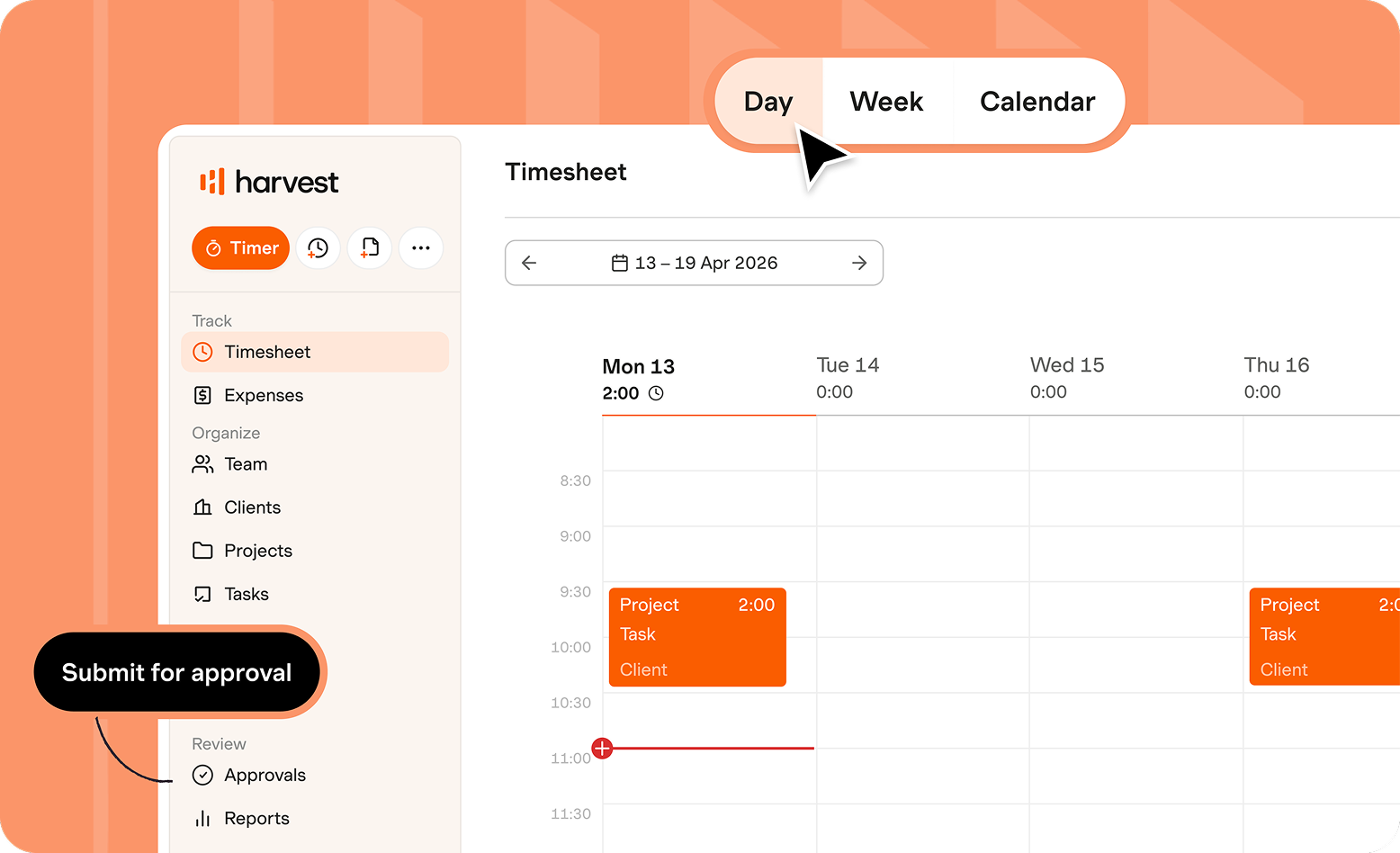
Small business owners across the UK, the US, and Australia are reeling after Harvest, a widely used timesheet and invoicing platform, dramatically increased its subscription prices following its 2025 acquisition by Italian tech company Bending Spoons. For some customers, the monthly cost has ballooned by as much as 1500%, turning what was once a manageable operating expense into a figure that strains entire annual IT budgets.
A Bill That Stopped One Business Owner Cold
Richard Haldenby, who heads the UK consultancy firm Salentis, got the news by email. His monthly subscription, which had sat at $130 (roughly £95.50), was now set to cost him $2,110. That is not a typo. His reaction, by his own account, was pure shock.
Haldenby’s firm employs up to 15 staff in the UK at any given time, with related companies operating in the US and Australia. He told the BBC that his business had used Harvest across all three entities for at least 15 years, describing the company as something his team had not only relied on but actively recommended to others in the industry. That goodwill, built over a decade and a half of loyalty, now feels thoroughly unrewarded.
“We have used Harvest in our three companies for at least 15 years and have been loyal and enthusiastic advocates of it,” he said, adding that accepting the new pricing would effectively double his entire annual IT spend, a cost he described as completely unaffordable. His story, reported by the BBC, has since sparked a wave of similar accounts from other users who feel equally blindsided.
The Pattern Goes Well Beyond One Customer
Haldenby’s experience is not a one-off. Users in the United States have shared comparably brutal numbers online. One American customer reported watching their annual charge leap from $2,800 to $23,000, a figure that reads less like a pricing adjustment and more like a ransom note. The phrase circulating in online discussions among affected users says it plainly: “daylight robbery.”
The timing of the outrage is not coincidental. Many businesses that pay for software on an annual basis are only now confronting the new pricing structure, because their renewal dates are arriving in 2026, the year after Bending Spoons restructured the cost model. For months, customers paying annually simply did not know what was coming. That quiet period is now over, and the fury is loud.
Who Is Bending Spoons, and What Does This Pattern Tell Us?
Bending Spoons is a Milan-based technology company that has built a business model around acquiring established software products and restructuring them for profitability. The company has purchased several well-known apps over recent years. Its approach typically involves streamlining operations and, critics argue, aggressively repricing subscriptions to extract more revenue from existing user bases that have already invested time, data, and workflows into a particular platform.
This model is not unique to Bending Spoons. Across the broader software industry, the post-acquisition price hike has become a recognisable and increasingly resented playbook. A company builds a loyal following with competitive pricing. A larger acquirer steps in, banks on the switching costs being high enough that users stay put, and then lifts prices to levels the original company would never have dared to charge. The customers, trapped by habit, integration depth, and the sheer hassle of migrating years of data, often end up paying, at least initially.
Why Switching Sounds Easy but Rarely Is
On paper, the solution seems straightforward: leave Harvest and find a cheaper alternative. In practice, it is considerably messier. Businesses that have used a platform for 10 or 15 years have historical data, custom workflows, and staff habits baked into that system. Migrating invoicing records, client data, project histories, and timesheet archives to a new platform is a project that costs real money in staff hours and carries real risk of data loss or disruption.
This is precisely the leverage that makes aggressive post-acquisition pricing so effective, and so infuriating. The company knows its longest-tenured customers are also its most trapped ones. Loyalty, in this particular dynamic, is not rewarded. It is monetised.
For Haldenby and businesses like his, the calculation is now brutally simple: absorb a cost that doubles their IT budget, invest significant time and resources into switching platforms, or shrink their usage of the tool dramatically. None of those options are good ones. The BBC has approached Harvest for comment, and no response had been issued at the time of reporting.
The Broader Warning for Small Business Software Users
This episode carries a wider lesson that every small business relying on third-party software would do well to sit with. When a beloved tool gets acquired, the purchase price paid by the new owner has to come from somewhere. Often, it comes from you, the subscriber, in the form of restructured pricing that the original founders would have been reluctant to impose.
Diversifying software dependencies, maintaining regular data exports, and staying alert to acquisition news in the tools your business relies on are no longer just good habits. They are basic risk management. A platform that costs you $130 a month today could, under new ownership, cost you $2,110 tomorrow, and the email telling you so might arrive with very little notice and even less sympathy.
The question worth sitting with is this: how many of the tools your business depends on most are one acquisition away from pricing you right out of the relationship you spent years building?