


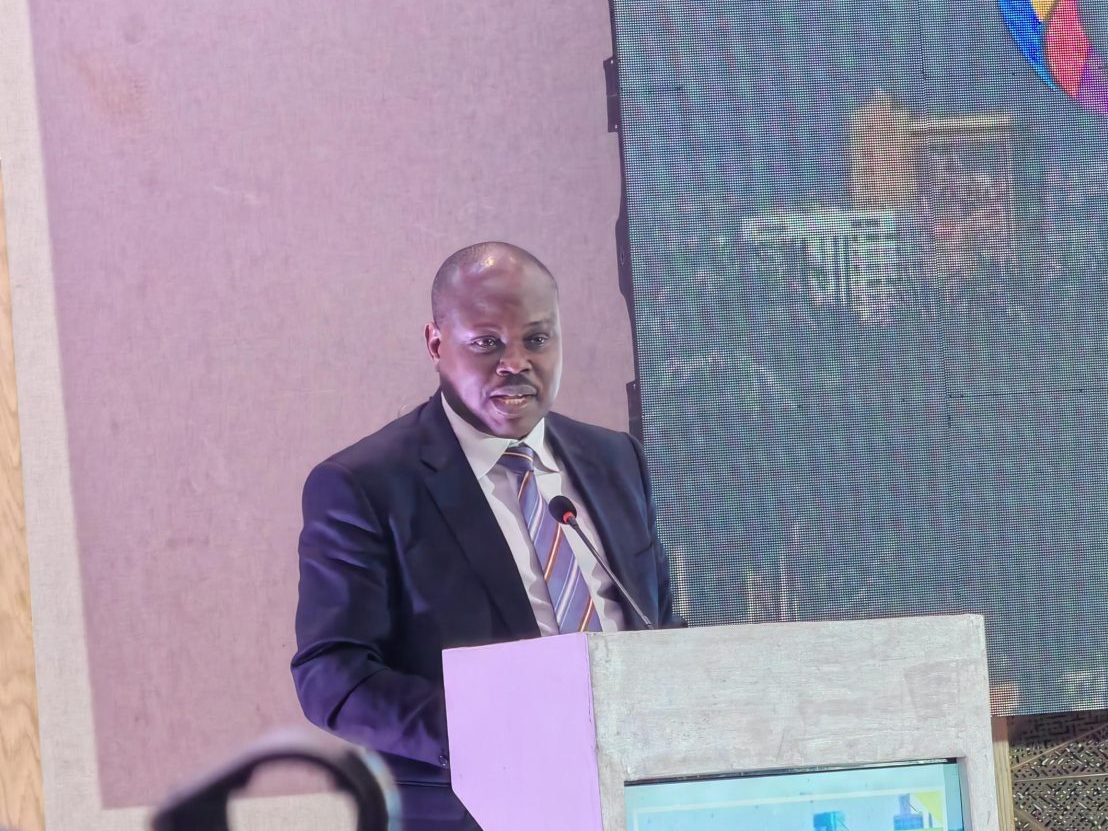
Uganda’s Auditor General Edward Akol has moved decisively against his own workforce, suspending approximately 20 auditors across several regions of the country over allegations that include extortion and suspected collusion with the very officials they were assigned to keep in check. The interdictions, confirmed by sources familiar with the matter, represent one of the most significant internal crackdowns in the history of the Office of the Auditor General, and they arrive at a moment when the institution itself is under intense public pressure.
Who Got Suspended and Where
The officials suspended are spread across some of Uganda’s key regional centres. Those named include Martin Wamboza, the principal auditor in Arua; Hilda Bakojja in Masaka; Samuel Akampurira in Moroto; Tracy Turyakira in Hoima; Michael Omoding Noel in Jinja; and Michael Omagor in Soroti. Staff based at Audit House in Kampala, the office’s central headquarters, are also among those affected.
According to sources, four of the auditors received their interdiction notices on a Wednesday afternoon, with the remaining letters delivered the following Thursday morning. The speed of the action suggests the matter had already been building inside the institution for some time before it became public knowledge.
The situation goes beyond the 20 interdicted officials. More than 60 additional auditors are reportedly under active investigation, a figure that points to systemic failures rather than a handful of rogue individuals acting alone.
The Allegations: Extortion and Collusion
The core claims against the suspended auditors are serious. Sources indicate that some of the officials are alleged to have extorted money from accounting officers and accountants working in the local government institutions that auditors were supposed to scrutinise independently. Others are suspected of colluding with those same officers, potentially allowing financial irregularities to pass undetected in exchange for personal benefit.
It is important to state clearly what remains unresolved: these are allegations under investigation, and no formal finding of wrongdoing has been made against any of the named individuals. The process must be allowed to run its course. But the breadth of the accusations, and the number of people implicated, has rattled confidence in the audit function at a particularly sensitive time.
Efforts to reach Auditor General Akol for comment were unsuccessful, with repeated telephone calls going unanswered, as reported by Chimpreports.
The Bigger Picture: Inspections That Exposed What Audits Missed
The timing of these interdictions is not accidental. Pressure on the Auditor General’s office has been building steadily following a separate wave of inspections of local governments led by Local Government Minister Balaam Barugahara. Those inspections have uncovered a striking range of alleged abuses, including misuse of road funds, irregular staff recruitment, procurement irregularities, poor financial accountability, and suspected diversion of public resources across multiple districts.
The scale of what those inspections found has prompted a logical and deeply uncomfortable question: if independent auditors examine local government accounts every single year, why did so much appear to go undetected, or at least unflagged in any meaningful way? That question has no comfortable answer, and it is precisely the kind of question that has put Akol’s office in the crosshairs of public scrutiny.
A Crisis of Oversight, Not Just Individuals
Uganda has long grappled with corruption across its public sector, but the current situation carries particular weight because it concerns the very institution designed to catch financial misconduct. Auditors occupy a unique position of trust. They are the last institutional line of defence before public money is simply gone, absorbed into unofficial channels that benefit private individuals rather than the communities the money was intended to serve.
When auditors themselves are accused of being part of the problem, the knock-on effects reach far beyond the individuals named. Local governments handle funds that are meant for roads, health facilities, schools, and basic services. If the gatekeepers were allegedly looking the other way, or worse, facilitating the very abuse they were meant to prevent, then communities across Arua, Masaka, Moroto, Hoima, Jinja, Mbale, and Soroti may have been paying the price without knowing it.
What Happens Next
The interdictions freeze the affected auditors out of their duties while investigations proceed. With more than 60 others reportedly still under scrutiny, the audit office faces the challenge of maintaining its functions while a significant portion of its workforce is caught up in a misconduct process of this scale.
How Akol’s office manages the investigation, and whether the findings are made public in a transparent way, will go a long way toward determining whether this becomes a genuine reform moment or simply another chapter in Uganda’s long and unresolved battle with public sector corruption. Accountability at the institutional level, where those tasked with watchdog functions are themselves watched, is the hardest kind to achieve. But it is also the most necessary.
As Uganda’s government accountability infrastructure faces one of its most searching stress tests in recent memory, the question worth sitting with is this: if the auditors cannot be trusted to audit honestly, who is auditing the auditors, and why did it take a ministerial inspection drive to start the process of finding out?