



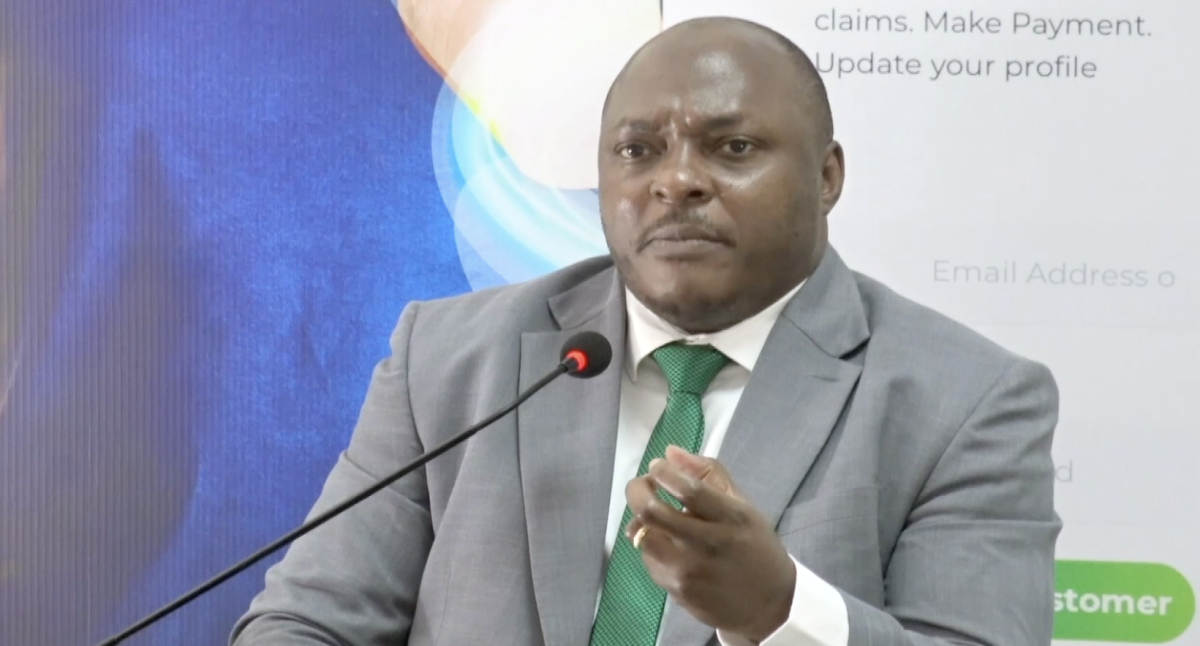
Something significant is happening inside Uganda’s financial services landscape, and it is moving faster than most people realize. Old Mutual’s Managing Director Zackaius Kisesi stepped forward this month with a clear message: the group is actively restructuring how it delivers financial products, and the goal is not just profitability but genuine, wider access to insurance for ordinary Ugandans.

The timing of this push is no accident. According to NTV Uganda’s reporting on the development, Uganda’s insurance industry recorded Shs603.9 billion in gross written premiums in the first quarter of 2026 alone, a 5.8% rise compared to the same period a year earlier. The headline number is impressive on its own, but the detail that really stands out is this: life insurance premiums climbed a striking 26%, reaching Shs272.1 billion in just three months.
What Kisesi Is Actually Building
The strategy Kisesi is laying out goes beyond the typical corporate restructuring story. By bringing Old Mutual’s insurance and asset management operations under a tighter, more integrated structure, the group is creating products that do not fit neatly into the old categories of “protection” or “investment.” These are hybrid offerings designed to give customers something the traditional insurance model rarely delivered: long-term financial resilience.
That phrase matters. Financial resilience is not the same as financial security. Security implies a static state, a safety net you fall into. Resilience implies capacity, the ability to absorb shocks, recover, and keep building. For a country where a large portion of the population has historically stayed away from formal insurance because it felt irrelevant or inaccessible, shifting the conversation toward resilience is a smart repositioning.
Old Mutual is essentially telling Ugandan consumers: this is not just a product you buy and forget. It is infrastructure for your financial life.
Why Uganda’s Numbers Tell a Bigger Story
The Q1 2026 figures deserve more attention than they are getting. A 5.8% overall rise in gross written premiums in a single quarter signals that more Ugandans are formally entering the insurance system. But the 26% jump in life insurance is the real indicator of a behavioral shift. Life insurance has traditionally been the hardest sell in developing markets, where immediate needs often crowd out long-term planning.
When life insurance premiums grow at that pace, it usually means one of three things is happening: product offerings have improved significantly, distribution channels have expanded to reach new customer segments, or economic confidence among the middle class is rising enough that people feel they can afford to plan ahead. In Uganda’s case, it is probably all three working together.
The Distribution Problem That Has Always Held Insurance Back
Across sub-Saharan Africa, the insurance penetration gap is not primarily a product problem. Insurers have had products. The challenge has been getting those products to people in ways they trust and can actually afford. Rural populations, informal sector workers, and young urban professionals have all, for different reasons, remained outside the formal insurance net.
Old Mutual’s move to combine insurance with asset management under one roof has the potential to address part of this gap. When a customer interacts with a financial services provider for savings or investment purposes, the conversation about protection becomes far more natural. Cross-selling within a trusted relationship is considerably more effective than cold outreach for a standalone insurance product.
It also reduces the cost of customer acquisition, which, if passed on appropriately, can make premiums more accessible to lower-income brackets.
The Long Game and What It Demands
None of this happens quickly. Building genuine financial inclusion in a market like Uganda requires patience, regulatory cooperation, and consistent consumer education. Insurance literacy remains low across much of the country, and the industry has not always helped itself with complex policy documents and claim processes that frustrated rather than reassured customers.
Old Mutual’s integrated approach will only deliver on its promise if the products are genuinely simpler to understand, the claims process is transparent, and the marketing speaks to real life situations rather than abstract concepts of risk.
There is also the question of digital infrastructure. Mobile money has already demonstrated that Ugandans will adopt financial tools enthusiastically when those tools are convenient and trustworthy. Insurance products that plug directly into mobile platforms, with premiums as low as a few thousand shillings a month, have shown real traction in other East African markets. Uganda is not far behind.
What This Means for Ugandan Consumers Right Now
If you are one of the millions of Ugandans who has thought about insurance and then talked yourself out of it, the landscape in 2026 looks different from what it did even two years ago. Premium growth figures suggest more options are entering the market, competition is increasing, and companies like Old Mutual are being pushed to serve customers they previously ignored.
That is good news. Competition, when it is real and sustained, tends to produce better products at lower prices. And when a major player commits publicly to widening access, it creates both pressure and opportunity for the rest of the industry to follow.
The Shs603.9 billion recorded in a single quarter is not just a statistic. It represents premiums paid by real people making a calculated bet that their future is worth protecting. Old Mutual’s job, and the industry’s broader challenge, is to make sure that bet is available to far more of them.
So here is the question worth sitting with: if Uganda’s insurance penetration is rising this fast while millions remain uninsured, what exactly needs to change for the next wave of growth to actually reach the people who need it most?